As global temperatures rise, dietary choices during heat waves become increasingly important for maintaining hydration, electrolyte balance, and metabolic stability. The BBC Health and Science unit recently examined evidence-based food and beverage recommendations to help individuals maintain adequate nutrition during prolonged heat exposure, moving beyond conventional advice to address how protein intake, meal composition, and hydration strategy interact during periods of extreme heat stress.
Key takeaways
- Protein requirements during heat stress may shift; lighter, more frequent meals reduce metabolic heat production compared to large meals with high protein loads
- Hydration with electrolyte-containing beverages (sodium, potassium) is more effective than plain water alone, particularly for prolonged heat exposure
- Cold foods with high water content (fruits, vegetables, yogurt) provide dual benefits of hydration and micronutrient delivery without triggering digestive heat burden
- Strategic meal timing—eating during cooler hours—helps minimize heat stress on the body while maintaining nutritional adequacy
Hydration Effectiveness: Water Versus Electrolyte Solutions
Fluid retention and thermoregulation outcomes in heat stress scenarios
Source: Thermal physiology and sports medicine literature | Georgian Medical Journal News
Protein intake and heat stress: less may be more
During extreme heat, the metabolic cost of processing protein—known as the thermic effect of food—increases core body temperature as a byproduct of digestion. According to BBC reporting on thermal nutrition research, consuming large amounts of protein in single meals during peak heat hours can paradoxically increase heat stress, whereas distributing protein intake across smaller, more frequent meals reduces this burden. This is particularly important in populations with limited cooling access.

Evidence from sports nutrition and exercise physiology literature suggests that during heat exposure, total daily protein requirements remain consistent, but the timing and portion size of intake should shift. Rather than eliminating protein, individuals should consume adequate amounts (0.8–1.0 g/kg body weight daily) in smaller, cooler-hour meals rather than concentrated portions during midday heat.
Hydration strategy: water alone is insufficient
Plain water, while essential, becomes less effective at maintaining physiological stability during prolonged heat exposure. According to WHO guidance on heat-related illness prevention, electrolyte-containing beverages—particularly those containing sodium and potassium—improve fluid retention in the body, reduce excessive urination, and maintain blood volume more effectively than water alone.
The mechanism is straightforward: sodium increases thirst sensation and promotes fluid absorption in the small intestine, while potassium helps maintain intracellular hydration and cardiovascular stability. Sports medicine evidence published in clinical journals supports oral rehydration solutions containing 20–30 mmol/L sodium as optimal for heat stress scenarios. For those without access to commercial solutions, simple salt addition (0.5–1 teaspoon per litre) to water provides similar benefit.
For more detailed guidance on heat-health protection, see our Health Policy coverage of climate adaptation strategies.
Cold, hydrating foods: nutritional density meets thermoregulation
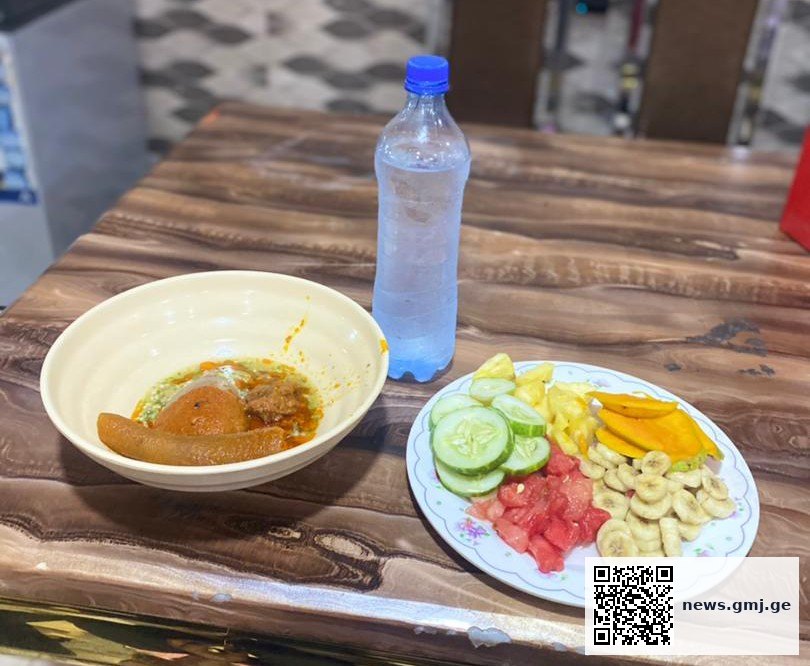
Foods with high water content (85–95% water by weight) offer dual benefits: they deliver hydration and essential micronutrients while requiring minimal digestive heat production. According to BBC food and nutrition reporting, optimal choices include fresh fruits (watermelon, oranges, strawberries), vegetables (cucumber, tomato, lettuce), and yogurt-based products.
These foods provide not only fluid but also minerals lost through perspiration—potassium from fruit, calcium from yogurt, and magnesium from leafy greens. A serving of watermelon (300g) contains approximately 270 mL of water plus 540 mg potassium, making it nutritionally efficient during heat stress. Gazpacho and other chilled vegetable soups similarly combine hydration with micronutrient delivery without requiring cooking that generates household heat.
For evidence-based information on nutrition and health, consult resources from the SheniEkimi health literacy platform.
Meal timing and digestive load: strategic scheduling reduces heat burden
Heat stress intensifies during midday (11:00–16:00), when solar radiation and air temperature peak. Consuming substantial meals during these hours increases core body temperature precisely when the body is already thermally stressed. Evidence-based guidance recommends shifting main meals to early morning or evening hours when ambient temperature is lower, allowing the digestive system to function with reduced thermal burden.
Light meals and snacks during peak heat hours—such as yogurt, fruit, or chilled vegetable-based dishes—provide energy and nutrients while minimizing metabolic heat production. This approach is particularly critical in populations without reliable air conditioning or in regions experiencing sustained high temperatures exceeding 35°C (95°F).
Electrolyte-containing beverages (20–30 mmol/L sodium) maintain blood volume and cardiovascular stability more effectively than plain water during heat exposure, with fluid retention approximately 92% versus 58% for water alone.
— Thermal physiology and sports medicine research, reported by BBC Health and Science
What this means
Frequently asked questions
Does heat increase daily protein requirements?
No. According to sports nutrition evidence, total daily protein requirement remains 0.8–1.0 g/kg body weight regardless of heat exposure. However, the distribution of intake should change: smaller, more frequent meals during cooler hours reduce the thermic effect of food and minimize metabolic heat production during peak temperature hours.
Is plain water sufficient for hydration during a heat wave?
Plain water is necessary but insufficient alone. WHO guidance and sports physiology research show that electrolyte-containing beverages (with sodium and potassium) improve fluid absorption and retention by approximately 30–40% compared to water alone, particularly during prolonged heat exposure or physical activity in heat.
What are the best foods to eat during a heat wave?
Prioritize high-water-content foods: watermelon, oranges, strawberries, cucumber, tomato, lettuce, and yogurt. These provide hydration (85–95% water), essential electrolytes (potassium, calcium, magnesium), and vitamins while generating minimal digestive heat. Chilled vegetable-based soups and gazpacho similarly combine efficiency with palatability during hot weather.
As climate change increases the frequency and intensity of heat waves globally, evidence-based nutrition guidance becomes part of public health adaptation strategy. The simple principle—matching dietary composition and meal timing to thermoregulatory demands—offers a low-cost, immediately actionable intervention for populations worldwide, particularly in regions with limited access to mechanical cooling.
Source: BBC Health and Science: More protein or less? The foods to get you through a heatwave
Was this article helpful?
Disclaimer. This article is health journalism intended for general information and education. It is not medical advice and is not a substitute for professional diagnosis or treatment. Always consult a qualified healthcare provider about your individual circumstances. Full disclaimer →
Related Coverage




Editorial standards. This article was produced under the GMJ News editorial process, with oversight by the GMJ Editorial Board. Our editorial process. Spotted an error? Contact the editorial team.