


Tag: Nutrition

Why 90% of Adults Fall Short on Choline—and Why Your Nervous System Cares
Approximately 90% of adults fall short on choline, an essential nutrient for nervous system function and stress resilience. Evidence suggests…

Nutrition During Heat Waves: Evidence-Based Dietary Guidance for Hot Weather
Heat waves demand strategic dietary shifts. Evidence shows electrolyte beverages outperform plain water, smaller protein meals reduce metabolic heat, and…

How Your Body Stores and Deploys Nutrients: A Systems View of Micronutrient Management
Your body operates sophisticated storage systems for different micronutrients, with vitamins and minerals following distinct tissue-specific pathways that determine how…

Butter vs Margarine: How Chemistry Determines Performance in Cooking and Health
The choice between butter and margarine is fundamentally rooted in chemistry. Butter's naturally occurring milk fats create flakiness and browning…
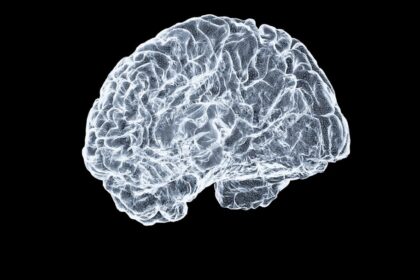
Brain Energy Demands: Why Your Hardest Thinking Uses Only 5% More Fuel
The brain uses only 5% more energy during intensive thinking than at rest, because baseline metabolic demands for cell maintenance…

How Your Gut Absorbs Nutrients: A Section-by-Section Guide to Digestive Checkpoints
Nutrient absorption is not a single process but a carefully choreographed sequence distributed across seven anatomical zones of the gastrointestinal…

How Vitamins and Minerals Power Brain Chemistry: The Nutritional Foundations of Neurotransmitter Health
B vitamins, iron, zinc, and magnesium serve as essential biochemical cofactors in neurotransmitter synthesis and metabolism. Deficiencies in these micronutrients…

Vitamins Don’t Work Alone: How Nutrient Systems Keep Your Body Running
Vitamins and minerals function as interconnected metabolic systems, not isolated nutrients. Understanding how B12 and folate work together, how magnesium…