


Tag: Nutrition
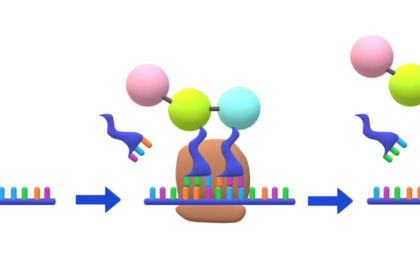
The 20 Amino Acids: The Chemical Alphabet of Life and What Every Patient Should Know
Proteins are constructed from just 20 amino acids, nine of which must come from food. Understanding their chemical properties and…

Beyond Minimum Requirements: New Evidence Suggests Higher Protein Intake Supports Healthy Aging
A new review of aging and nutrition research suggests that protein intake substantially above current global minimum guidelines—combined with regular…
Why Nutrients Work Better Together: How Coordinated Inputs Reshape Brain Synapses
New neuroscience research reveals that synapses respond more robustly to coordinated nutrient combinations than to isolated nutrients, reshaping how researchers…

How Vitamin C Reaches Skin: Blood Supply Proves More Effective Than Topical Application
A controlled human study in the Journal of Investigative Dermatology reveals that dietary vitamin C reaches skin more effectively through…
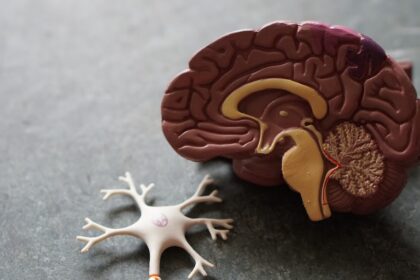
How amino acids shape brain function: from neurotransmitters to cognitive endurance
Amino acids are the biochemical foundation of neurotransmitter synthesis, energy metabolism, and synaptic communication. Nine essential amino acids obtained through…

How Vitamin D Becomes Active: The Three-Organ Pathway Explained
Vitamin D activation involves a complex three-organ cascade requiring magnesium, iron, vitamin K2, zinc, and vitamin A as essential cofactors.…
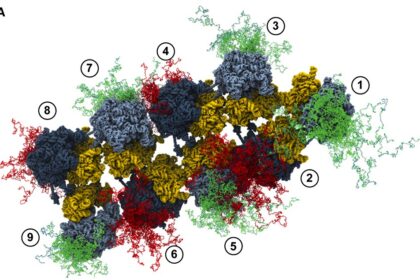
The 20 amino acids: life’s molecular alphabet explained
The human body uses 20 standard amino acids as the building blocks for all proteins. Nine are essential—they cannot be…

The B-Vitamin Methylation Triad: How B12, Folate, and B6 Work Together in Cardiovascular and Neurological Health
B12, folate, and B6 form an integrated metabolic system supporting DNA synthesis, homocysteine regulation, and neurological function. Current RDA levels…