Updated 13/09/2026
Amino acids form the chemical foundation of all proteins in the human body, functioning as the basic units that cells assemble into thousands of different proteins essential for life. Understanding the structural and functional properties of the 20 standard amino acids is central to comprehending how proteins fold, function, and regulate human physiology—from enzyme catalysis to muscle contraction to immune response.
Key takeaways
- The human body uses 20 standard amino acids as building blocks for all proteins, each distinguished by a unique side chain structure
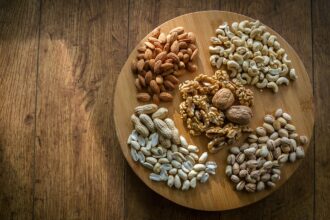
- Nine amino acids are essential—they cannot be synthesised by the body and must be obtained from dietary sources including meat, fish, legumes, and nuts
- Amino acids are classified into seven chemical groups (aliphatic, aromatic, acidic, basic, hydroxyl-containing, sulphur-containing, and amidic) based on side chain properties, which determine how proteins fold and function
- The sequence and chemical properties of amino acids in a protein directly determine its three-dimensional structure and biological activity
The 20 amino acids classified by chemical properties
Seven functional groups determine protein structure and biological activity
Data derived from biochemical classification of amino acids; Georgian Medical Journal News

The molecular alphabet: structure and coding
Each of the 20 amino acids possesses a distinctive chemical structure centred on a variable side chain—the component that makes each amino acid unique. This structural identity is encoded in two ways: a three-letter abbreviation (such as Ala for alanine) used in biochemical literature, and a single-letter code (A for alanine) that represents the shorthand system used in DNA and protein sequencing. This nomenclature system allows scientists and clinicians to read protein sequences the way one reads an alphabet, with each letter representing a specific amino acid and its particular chemical properties.
For example, the oxygen-carrying protein hemoglobin is composed of 574 amino acids arranged in a precise sequence that enables its critical function of transporting oxygen throughout the bloodstream. The sequence of these amino acids—written using single-letter codes—determines how the protein folds in three-dimensional space, where oxygen-binding sites are positioned, and ultimately whether the protein can perform its life-sustaining role. Any alteration in this sequence can lead to dysfunction, as exemplified by sickle cell disease, where a single amino acid substitution (glutamic acid replaced by valine) causes the protein to polymerise abnormally.
Chemical classification: function follows structure
The 20 amino acids are organised into seven chemical classes based on the properties of their side chains, each group serving distinct roles in protein architecture and function. The aliphatic amino acids (alanine, glycine, valine, leucine, isoleucine, proline) are hydrophobic—they repel water and are typically buried in the interior core of folded proteins, providing structural stability. The aromatic amino acids (phenylalanine, tryptophan, tyrosine) contain ring structures that absorb ultraviolet light and facilitate protein folding through aromatic interactions; tryptophan is particularly notable as the precursor for serotonin synthesis, linking amino acid metabolism directly to neurotransmitter production and mood regulation.
The acidic amino acids (aspartic acid, glutamic acid) carry negative electrical charges at physiological pH and frequently occupy active sites in enzymes, where they help catalyse biochemical reactions. By contrast, the basic amino acids (lysine, arginine, histidine) carry positive charges and often interact with DNA and RNA, facilitating genetic regulation and transcription. The hydroxyl-containing amino acids (serine, threonine) serve as phosphorylation sites—locations where cells attach phosphate groups to rapidly activate or deactivate proteins in response to signals. The sulphur-containing amino acids (cysteine, methionine) have special significance: cysteine can form disulphide bridges that link distant regions of a protein, acting as molecular “Velcro” that stabilises three-dimensional structure, whilst methionine typically initiates protein synthesis. Finally, the amidic amino acids (asparagine, glutamine) are polar but uncharged and excel at forming hydrogen bonds, often found on protein surfaces where they interact with aqueous environments.
Essential amino acids: nutrients that cannot be synthesised
Nine of the 20 amino acids are classified as essential—the body cannot synthesise them de novo and therefore must obtain them from dietary sources. These are histidine, isoleucine, leucine, lysine, methionine, phenylalanine, threonine, tryptophan, and valine. The remaining 11 amino acids are non-essential; the body can synthesise them from other compounds via transamination or other metabolic pathways.
This distinction has profound nutritional implications. Tryptophan, for instance, is essential not only for protein synthesis but also as the sole dietary precursor for serotonin production—the neurotransmitter crucial for mood, sleep regulation, and appetite control. Leucine, isoleucine, and valine are branched-chain amino acids that play central roles in muscle protein synthesis and energy metabolism during exercise and recovery. Lysine is required for collagen synthesis and immune function. Deficiency in any essential amino acid impairs protein synthesis across the body, leading to muscle wasting, immune dysfunction, poor wound healing, and in severe cases, kwashiorkor (a form of protein malnutrition common in resource-limited settings). Complete proteins—those containing all nine essential amino acids in adequate proportions—are found primarily in animal products (meat, fish, eggs, dairy) and certain plant combinations (legumes paired with grains).
The sequence and chemical composition of amino acids in a protein directly determine its three-dimensional structure, which in turn dictates its biological function—a principle known as the structure-function relationship that underpins all of molecular biology.
— Fundamental principle in biochemistry, documented in foundational texts including Lehninger Principles of Biochemistry
Clinical and nutritional implications
Understanding amino acid metabolism and requirements has direct clinical relevance. Patients with liver disease may accumulate aromatic amino acids (phenylalanine, tryptophan, tyrosine) and become depleted in branched-chain amino acids, leading to hepatic encephalopathy—a neurological complication corrected in part by adjusting dietary amino acid ratios. Phenylketonuria (PKU), a genetic disorder affecting phenylalanine metabolism, requires lifelong dietary restriction of this essential amino acid to prevent intellectual disability. Athletes and older adults require higher total protein intake and may benefit from supplementation with branched-chain amino acids to optimise muscle protein synthesis and prevent sarcopenia. Vegetarians and vegans must consciously combine plant foods to ensure adequate intake of all nine essential amino acids—a challenge that has driven research into plant-based complete proteins and fortified meat alternatives.
See related articles in the Clinical Updates and Patient Health Information sections for guidance on protein nutrition and disease management.
What this means
Frequently asked questions
Why are only 9 amino acids essential if the body uses 20?
The 11 non-essential amino acids can be synthesised by the body through transamination (transferring an amino group from one molecule to another) or other metabolic pathways. The 9 essential amino acids lack efficient synthetic pathways in humans and must be obtained from food. This is an evolutionary adaptation; plants and microorganisms can synthesise all 20, but humans have lost certain synthetic enzymes over evolutionary time.
Can I get all essential amino acids from plant-based foods?
Yes, but not from a single plant source. Individual plant foods are often deficient in one or more essential amino acids. However, combining legumes (beans, lentils, peas) with grains (rice, wheat, oats) or seeds (nuts, sesame) creates complete protein profiles. Traditional food pairings like beans and rice, hummus and pita, or lentil curry with rice exemplify this complementary principle. Modern plant-based meat alternatives are often fortified to contain complete amino acid profiles.
What happens if I have a deficiency in one essential amino acid?
Deficiency in any single essential amino acid limits overall protein synthesis across the body, even if other amino acids are abundant—a principle called the “limiting amino acid.” This results in reduced muscle protein synthesis, impaired immune function, poor wound healing, and in children, stunted growth. Severe or prolonged deficiency contributes to kwashiorkor (protein malnutrition). This is why complete protein sources or careful dietary complementarity is essential for health.
The 20-amino-acid code represents one of biology’s most elegant solutions: a simple alphabet capable of generating the vast molecular complexity of human life. From the moment a ribosome begins reading a messenger RNA sequence, amino acids are assembled in precise order, folding into three-dimensional structures that enable every biological function—respiration, digestion, immunity, movement, thought. Disruption of this process at any level—whether through genetic mutation, nutritional deficiency, or disease—reveals the profound dependency of human health on these 20 molecules and their correct assembly. As research continues to reveal how amino acid metabolism influences ageing, neurodegeneration, metabolic disease, and cancer, the clinical and public health importance of understanding amino acid biology only deepens.
Source: Amino acids and protein biochemistry literature; Educational summary compiled from foundational biochemistry and nutrition science
🗺️ Find certified Georgian healthcare providers: sheniekimi.ge — Georgia Health Map · 998 clinics · 6,600+ doctors · 2,296 pharmacies
Was this article helpful?
Disclaimer. This article is health journalism intended for general information and education. It is not medical advice and is not a substitute for professional diagnosis or treatment. Always consult a qualified healthcare provider about your individual circumstances. Full disclaimer →
Related Coverage



Editorial standards. This article was produced under the GMJ News editorial process, with oversight by the GMJ Editorial Board. Our editorial process. Spotted an error? Contact the editorial team.