By using this site, you agree to the Privacy Policy and Terms of Use.
Accept
GMJ NewsGMJ NewsGMJ News
  • Latest News
    • GMJ Briefs
  • Podcast & Media
    • Podcast Episodes
    • GMJ Audio
    • GMJ Videos
  • Research Digest
    • New Studies
    • Georgian Research
    • Data & Numbers
  • Policy & Systems
    • Health Policy
    • Quality & Safety
    • Migration & Health
    • Global Health
  • Practice
    • Clinical Updates
    • Case Discussions
    • Pharmacy & Prescribing
    • Ingredients A-Z
  • Perspectives
    • Editorial
    • Explainers
    • Voices
    • Letters
  • Health Topics
  • GMJ Articles
    • Vol. 1 Issue 2 (2026)
    • Vol. 1 Issue 1 (2026)
    • Pre-Launch Articles (2025)
  • Read the Journal →
  • About GMJ News
Notification Show More
Font ResizerAa
GMJ NewsGMJ News
Font ResizerAa
  • Latest News
    • GMJ Briefs
  • Podcast & Media
    • Podcast Episodes
    • GMJ Audio
    • GMJ Videos
  • Research Digest
    • New Studies
    • Georgian Research
    • Data & Numbers
  • Policy & Systems
    • Health Policy
    • Quality & Safety
    • Migration & Health
    • Global Health
  • Practice
    • Clinical Updates
    • Case Discussions
    • Pharmacy & Prescribing
    • Ingredients A-Z
  • Perspectives
    • Editorial
    • Explainers
    • Voices
    • Letters
  • Health Topics
  • GMJ Articles
    • Vol. 1 Issue 2 (2026)
    • Vol. 1 Issue 1 (2026)
    • Pre-Launch Articles (2025)
  • Read the Journal →
  • About GMJ News
Follow US
GMJ News > Perspectives > Explainers > Why Sunlight Triggers Sneezing in Some People: The Science Behind Photic Sneeze Reflex
ExplainersPerspectives

Why Sunlight Triggers Sneezing in Some People: The Science Behind Photic Sneeze Reflex

GMJ
Last updated: 12/07/2026 13:29
By
GMJ Perspectives Desk
Share
9 Min Read
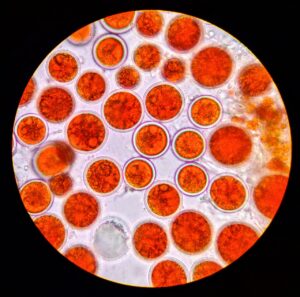
Illustration of the photic sneeze reflex neural pathway and light stimulusIllustrative image · Photo by Vika Glitter on Pexels (Pexels License)
Approximately 18–35% of people experience involuntary sneezing when exposed to bright sunlight—a phenomenon known as the photic sneeze reflex or "Achoo syndrome." Though the condition is benign and requires no medical treatment, its precise neurophysiological mechanism remains scientifically contested. — Photo by Vika Glitter on Pexels (Pexels License)
SHARE
🎧 Listen to this article8:12 min · 1,165 words · GMJ Audio
6 min read|1,165 words
✓ Reviewed by GMJ News Editorial Team

A substantial proportion of the human population experiences an involuntary sneeze when exposed to bright sunlight or sudden light exposure—a phenomenon formally recognised as the photic sneeze reflex, or “Achoo syndrome.” Although this reflex has been documented for centuries and affects an estimated 18–35% of people globally, the precise neurophysiological mechanism remains incompletely understood, and no single unifying explanation has achieved universal scientific consensus.

Contents
    • Key takeaways
      • Photic Sneeze Reflex Prevalence Across Populations
  • What Is the Photic Sneeze Reflex?
  • Competing Neurophysiological Explanations
  • Genetic and Population Variation
  • Clinical Significance and Public Health Implications
    • What this means
  • Frequently asked questions
    • Is the photic sneeze reflex dangerous?
    • Why do some people sneeze from light but others do not?
    • Can the photic sneeze reflex be treated or prevented?

Key takeaways

  • The photic sneeze reflex—involuntary sneezing triggered by bright light—affects approximately 18–35% of the global population
  • Multiple competing hypotheses exist regarding the mechanism, including trigeminal nerve stimulation and evolutionary theories, but no single mechanism has been definitively proven
  • The reflex is benign and requires no medical intervention, though understanding its triggers may help affected individuals manage symptoms in everyday situations
18–35%
Estimated proportion of the global population that experiences the photic sneeze reflex when exposed to bright light

Photic Sneeze Reflex Prevalence Across Populations

Estimated percentage of individuals experiencing involuntary sneezing triggered by bright light exposure

Higher estimates
35%
Mid-range estimates
25%
Lower estimates
18%

Source: Photic Sneeze Reflex Literature Review | Georgian Medical Journal News

What Is the Photic Sneeze Reflex?

The photic sneeze reflex is an involuntary response in which exposure to bright light—particularly sudden transitions from darkness to intense illumination—triggers one or more sneezes. The reflex occurs without any nasal irritation, allergen exposure, or other conventional stimulus for sneezing. According to BBC Science reporting, the condition is sufficiently common that individuals experiencing it often describe it as a predictable personal characteristic rather than a medical anomaly.

Submit Your Paper
GMJ_Submit_Banner

People with the photic sneeze reflex commonly report sneezing when stepping outdoors into sunshine, exiting a cinema into daylight, or turning on bright overhead lighting. The intensity and frequency of the reflex vary among affected individuals, with some experiencing a single sneeze while others produce multiple successive sneezes in response to the same light stimulus.

🎙️ Related Podcast Episodes
🎧 #53 | GMJ Podcast | Palliative Care in Georgia — Health System Gaps, Access Barriers, and Policy Implications · 16m
🎧 #18 | WHO Updates HIV Clinical Management Guidelines to Improve Global Treatment · 17m

Competing Neurophysiological Explanations

Medical and neuroscience literature has proposed multiple mechanisms to explain the photic sneeze reflex, though definitive proof for any single mechanism remains elusive. The most widely cited hypothesis involves the trigeminal nerve, which carries sensory information from the face and provides motor innervation to the muscles of mastication. One proposed mechanism suggests that bright light stimulation of the optic nerve in the posterior orbit may anatomically irritate or stimulate nearby trigeminal nerve fibres, triggering a reflex sneeze arc.

An alternative hypothesis, supported by evolutionary reasoning, proposes that the photic sneeze reflex represents a vestigial protective mechanism. According to this theory, rapid light exposure mimics the sensory conditions of emerging from a dark environment into sunlight, and the sneezing response may have ancestrally served to clear nasal passages and protect eyes from potential airborne threats in newly illuminated spaces. However, this explanation remains speculative and has not been validated through controlled experimental evidence.

A third proposed mechanism involves cross-talk between visual and olfactory neural pathways in the central nervous system, though the anatomical basis for such interaction remains unclear. Peer-reviewed research on sensory integration has documented unexpected functional connections between sensory modalities in animal models, but human-specific evidence linking visual and olfactory pathways to the sneeze reflex is limited.

Genetic and Population Variation

Epidemiological observations suggest that the photic sneeze reflex demonstrates familial clustering, implying a possible genetic component to susceptibility. Individuals whose parents or siblings experience the reflex are more likely to report the same phenomenon themselves. However, the inheritance pattern does not follow simple Mendelian genetics, and environmental factors may modulate expression or clinical manifestation of the trait. Research comparing photic sneeze prevalence across different ethnic and geographic populations has yielded inconsistent results, limiting current understanding of population-level genetic contributions.

The photic sneeze reflex affects between 18% and 35% of the global population, yet its precise neurophysiological mechanism—whether involving the trigeminal nerve, evolutionary programming, or sensory pathway cross-talk—remains unproven and contested among researchers.

— BBC Science Unit (2024)

Clinical Significance and Public Health Implications

The photic sneeze reflex is clinically benign and causes no harm to affected individuals. It does not indicate underlying disease, neurological dysfunction, or ocular pathology. However, the reflex can produce minor social inconvenience—for example, affecting driving safety during rapid transitions from tunnels to sunlit roads, or causing embarrassment in social or professional settings. No pharmacological or behavioural intervention has been validated as effective in suppressing the reflex, and none is recommended given the lack of adverse health consequences.

From a primary care perspective, patients who report involuntary sneezing triggered by light exposure can be reassured that the symptom is common, benign, and does not warrant further investigation or specialist referral unless accompanied by other alarming features (such as nasal obstruction, rhinitis, or ocular pain). Clinical guidance emphasises reassurance and symptom normalisation as the appropriate management strategy.

What this means

For patients: If you sneeze when exposed to bright sunlight or sudden light changes, you are experiencing a common, benign reflex affecting up to one-third of people. No treatment is necessary, though you may manage triggers by wearing sunglasses or allowing time for gradual light adaptation when transitioning between environments.
For clinicians: Patients presenting with light-triggered sneezing require only reassurance and explanation of the photic sneeze reflex mechanism. Distinguish this reflex from allergic rhinitis or other nasal pathology by confirming absence of nasal congestion, pruritus, or discharge, and the lack of seasonal or environmental trigger patterns beyond light exposure.
For policymakers: Public health messaging regarding the photic sneeze reflex can reduce unnecessary medical consultations and diagnostic testing by improving population awareness that light-triggered sneezing is a normal physiological variant requiring no intervention.

Frequently asked questions

Is the photic sneeze reflex dangerous?

No. The photic sneeze reflex is a benign physiological response with no known health risks. The primary concern is situational safety during driving or operation of machinery; individuals experiencing the reflex while driving should allow adequate time for light adaptation or wear sunglasses to minimise sudden stimulation.

Why do some people sneeze from light but others do not?

The underlying cause is not fully understood. Current evidence suggests a combination of neuroanatomical variation (potentially involving the trigeminal nerve), genetic factors, and possible evolutionary programming. Approximately 18–35% of people experience the reflex, but the specific reason for this population variation remains unclear.

Can the photic sneeze reflex be treated or prevented?

No specific treatment or prevention method has been scientifically validated. Practical management strategies include wearing sunglasses, allowing time for gradual light adaptation when moving between environments, and closing the eyes briefly during sudden light exposure. Since the reflex is benign and self-limited, no pharmacological intervention is warranted or recommended.

As research continues to elucidate the mechanisms underlying sensory reflexes and neural integration, the photic sneeze reflex may eventually serve as an accessible model for understanding how the nervous system processes unexpected cross-modal sensory stimulation. For now, the phenomenon remains a striking example of human physiological diversity—common enough to affect tens of millions of people globally, yet unusual enough to provoke ongoing scientific curiosity about its origins and function.

Source: BBC Science: Can sunlight make you sneeze?

Was this article helpful?

Disclaimer. This article is health journalism intended for general information and education. It is not medical advice and is not a substitute for professional diagnosis or treatment. Always consult a qualified healthcare provider about your individual circumstances. Full disclaimer →

Related Coverage

Teaching Children to Make Safe Choices: Beyond Protective BarriersAug 9, 2026
Tea Type Dramatically Alters Kombucha's Chemistry and Antioxidant Power, Study FindsAug 8, 2026
Magnesium Supplement Claims vs. Evidence: What the Science Actually ShowsAug 7, 2026
Biology's Universal Blueprint: How Cells Reveal the Mechanics of LifeAug 7, 2026
🔥 Most read this week
1Why High-Dose Vitamin B12 Supplements Work Despite Poor Absorption
2Creatine Kidney Damage Myth Debunked by Major Safety Review of 26,000 Participants
3Magnesium Form May Not Matter for Cognitive Benefits, New Meta-Analysis Suggests
4Magnesium Supplements: Marketing Claims vs Scientific Evidence
Related reference
  • Iron · Ingredient
  • SAMe · Ingredient
PG
Editorial oversight
Prof. Giorgi Pkhakadze, MD, MPH, PhD
Editor-in-Chief, GMJ News
Full profile →  ·  ORCID 0000-0001-7609-4515
Medical disclaimer. This article is health journalism intended for general information. It is not medical advice and is not a substitute for consultation with a qualified healthcare professional. Always seek your physician's advice regarding any medical condition.
Editorial standards. This article was produced under the GMJ News editorial process, with oversight by the GMJ Editorial Board. Our editorial process. Spotted an error? Contact the editorial team.

📬 GMJ Health Digest
Evidence-based medical news, once a week. Free, no spam, unsubscribe anytime.
TAGGED:Achoo syndromelight-triggered sneezingphotic sneeze reflexsensory physiologytrigeminal nerve
Share This Article
Facebook LinkedIn Bluesky Copy Link Print
GMJ
ByGMJ Perspectives Desk
Follow:
GMJ Perspectives Desk is part of GMJ News, the newsroom of the Georgian Medical Journal (gmj.ge), published by the Public Health Institute of Georgia. Every article is editorially reviewed before publication.
Leave a Comment Leave a Comment

Leave a Reply Cancel reply

Your email address will not be published. Required fields are marked *

Submit Your Paper →

Georgia's peer-reviewed open-access medical journal. No APC until January 2027.
Submit Manuscript →
UK’s MHRA Launches Innovation Guidance to Accelerate Medical Device and Drug Development

The UK's MHRA has published formal guidance for drug and medical device…

Rural Healthcare’s $50 Billion Question: Can Technology Alone Solve Workforce Shortages?

A $50 billion US rural healthcare investment prioritises technology infrastructure, but health…

FDA-Approved Drug Restores Immunotherapy Efficacy in Rare Liver Cancer by Releasing Trapped T Cells

Researchers have identified that rare liver cancers evade immunotherapy by trapping immune…

Submit Your Paper to GMJ

No APC until January 2027.
Submit Manuscript →

You Might Also Like

Diagram showing vitamin K allocation hierarchy from liver clotting factors to extrahepatic bone and arterial proteinsIllustrative image · Photo by Marta Branco on Pexels (Pexels License)
ExplainersNew StudiesPerspectivesResearch Digest

Vitamin K’s Hidden Hierarchy: Why Your Body Prioritises Blood Clotting Over Bone Health

By
GMJ Perspectives Desk
25/07/2026
Illustration of neurotransmitter signaling between brain cells showing dopamine, serotonin, and GABA pathwaysIllustrative image · Photo by Shane on Unsplash (Unsplash License)
ExplainersPerspectives

How Brain Chemistry Shapes Mood, Sleep, and Focus: A Guide to Neurotransmitters

By
GMJ Perspectives Desk
03/08/2026
Diagram of creatine synthesis pathway and methylation cycle in human metabolismIllustrative image · Photo by ready made on Pexels (Pexels License)
Clinical UpdatesExplainersNew StudiesPerspectivesPracticeResearch Digest

How Creatine Supplements Reshape Your Body’s Methylation Cycle

By
GMJ Practice Desk
21/07/2026
Comparative chart showing cafestol content in boiled, French press, espresso, and filtered coffee brewing methodsIllustrative image · Photo by Israyosoy S. on Pexels (Pexels License)
Clinical UpdatesExplainersNew StudiesPerspectivesPracticeResearch Digest

How Coffee Brewing Method Affects Cholesterol: The Science Behind Diterpenes and Filters

By
GMJ Practice Desk
16/07/2026
Facebook Twitter Youtube Instagram
Company
  • Privacy Policy
  • Contact US
  • GMJ Journal
  • Submit Manuscript
  • Editorial Team
  • Register at GMJ
  • Terms of Use

Subscribe to GMJ News — Click here

Join Community
© 2026 Georgian Medical Journal (GMJ). Published by the Public Health Institute of Georgia (PHIG). All rights reserved.
Welcome Back!

Sign in to your account

Username or Email Address
Password

Lost your password?

Not a member? Sign Up