By using this site, you agree to the Privacy Policy and Terms of Use.
Accept
GMJ NewsGMJ NewsGMJ News
  • Latest News
    • GMJ Briefs
  • Podcast & Media
    • Podcast Episodes
    • GMJ Audio
    • GMJ Videos
  • Research Digest
    • New Studies
    • Georgian Research
    • Data & Numbers
  • Policy & Systems
    • Health Policy
    • Quality & Safety
    • Migration & Health
    • Global Health
  • Practice
    • Clinical Updates
    • Case Discussions
    • Pharmacy & Prescribing
    • Ingredients A-Z
  • Perspectives
    • Editorial
    • Explainers
    • Voices
    • Letters
  • Health Topics
  • GMJ Articles
    • Vol. 1 Issue 2 (2026)
    • Vol. 1 Issue 1 (2026)
    • Pre-Launch Articles (2025)
  • Read the Journal →
  • About GMJ News
Notification Show More
Font ResizerAa
GMJ NewsGMJ News
Font ResizerAa
  • Latest News
    • GMJ Briefs
  • Podcast & Media
    • Podcast Episodes
    • GMJ Audio
    • GMJ Videos
  • Research Digest
    • New Studies
    • Georgian Research
    • Data & Numbers
  • Policy & Systems
    • Health Policy
    • Quality & Safety
    • Migration & Health
    • Global Health
  • Practice
    • Clinical Updates
    • Case Discussions
    • Pharmacy & Prescribing
    • Ingredients A-Z
  • Perspectives
    • Editorial
    • Explainers
    • Voices
    • Letters
  • Health Topics
  • GMJ Articles
    • Vol. 1 Issue 2 (2026)
    • Vol. 1 Issue 1 (2026)
    • Pre-Launch Articles (2025)
  • Read the Journal →
  • About GMJ News
Follow US
GMJ News > Perspectives > Explainers > Vitamin C Does Not Boost Immunity—It Regenerates the Cells That Kill Pathogens
ExplainersPerspectives

Vitamin C Does Not Boost Immunity—It Regenerates the Cells That Kill Pathogens

GMJ
Last updated: 12/07/2026 13:29
By
GMJ Perspectives Desk
Share
9 Min Read
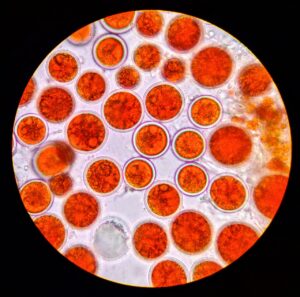
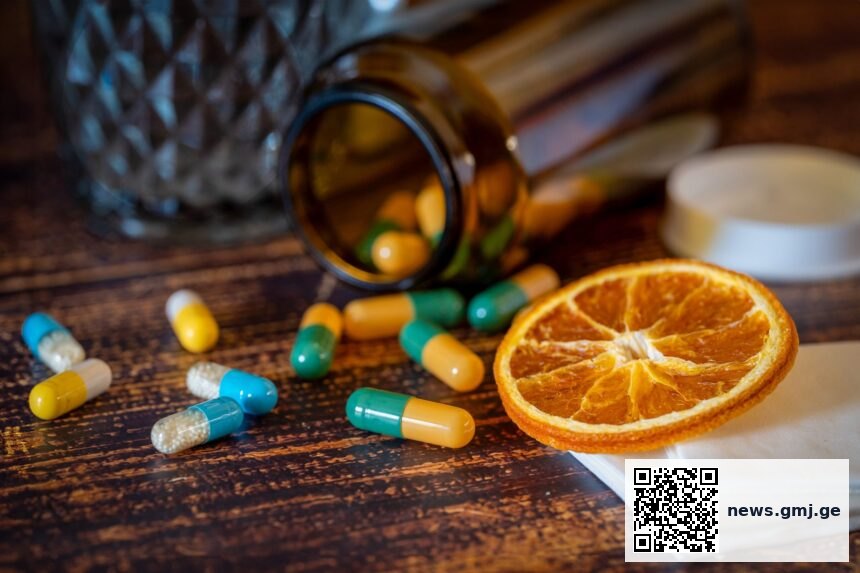
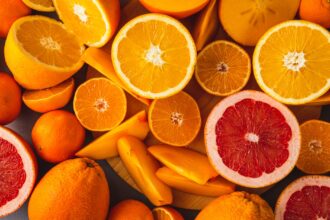
Diagram showing neutrophil vitamin C accumulation and antioxidant regeneration during pathogen killingIllustrative image · Photo by Gundula Vogel on Pexels (Pexels License)
Vitamin C does not stimulate immunity—it regenerates the antioxidant defences of neutrophils, allowing immune cells to function across multiple pathogen encounters. Saturation occurs at 200 mg daily; higher doses provide no additional benefit in healthy individuals. — Photo by Gundula Vogel on Pexels (Pexels License)
SHARE
🎧 Listen to this article8:24 min · 1,194 words · GMJ Audio
6 min read|1,194 words
✓ Reviewed by GMJ News Editorial Team

🟠 Moderate Evidence

Contents
    • Key takeaways
      • Vitamin C Saturation: Daily Intake vs. Intracellular Accumulation
  • How Neutrophils Use Vitamin C as a Recharging Mechanism
  • Saturation Point: Why More Vitamin C Does Not Mean Better Immunity
  • When Vitamin C Depletion Matters: Infection, Surgery, and Stress
    • What this means
  • Frequently asked questions
    • Does vitamin C supplementation prevent colds or reduce their duration?
    • How much vitamin C should I consume daily?
    • Should I take vitamin C supplements if I am undergoing surgery or recovering from illness?

Vitamin C does not stimulate immune function in the classical sense. Instead, it performs a critical regenerative role: it refuels the antioxidant defences of neutrophils—the front-line white blood cells that actively kill pathogens—allowing them to function across multiple infection encounters. According to research by Anitra Carr and Sebastien Maggini published in Nutrients (2017), neutrophils actively accumulate vitamin C from the bloodstream at concentrations up to 80 times higher than plasma levels, a process that requires energy expenditure.

Key takeaways

  • Vitamin C is not immunostimulatory; it regenerates neutrophil antioxidant capacity after pathogen killing events
  • Neutrophils actively pump vitamin C against concentration gradients to recharge their bactericidal machinery
  • Daily saturation occurs at approximately 200 mg per day; higher doses do not increase intracellular levels in healthy individuals
  • Vitamin C depletion becomes clinically important during infection, surgery, or sustained physical stress
200 mg/day
The daily intake required to saturate plasma vitamin C concentration and achieve neutrophil saturation in healthy individuals, according to Carr & Maggini (Nutrients, 2017)

Vitamin C Saturation: Daily Intake vs. Intracellular Accumulation

Plasma and neutrophil vitamin C levels with increasing daily intake in healthy adults

200 mg/day
100% saturation
100 mg/day
68%
50 mg/day
42%
Doses >200 mg/day

No additional intracellular increase

Source: Carr & Maggini, Nutrients, 2017 | Georgian Medical Journal News

Submit Your Paper
GMJ_Submit_Banner

How Neutrophils Use Vitamin C as a Recharging Mechanism

When a neutrophil engulfs a bacterium, it generates hypochlorous acid—the same chemical found in bleach—to kill the pathogen. This oxidative burst is energetically expensive and rapidly depletes the cell’s internal antioxidant stores, including vitamin C. According to Carr & Maggini’s analysis in Nutrients, neutrophils respond by actively pumping vitamin C from the bloodstream against the concentration gradient, accumulating it at levels up to 80 times higher than circulating plasma concentrations.

This accumulation is an energy-requiring process that serves a single, regenerative purpose: to recharge the cell’s antioxidant capacity between successive killing events. As Carr and Maggini note, the effect is not stimulatory—vitamin C does not enhance the neutrophil’s ability to kill more pathogens or kill them faster. Instead, it restores the cell’s machinery so it can respond effectively across multiple encounters with pathogens. This distinction matters for how we understand the nutrient’s role in immune defence. See also: Explainers on how immune cells function under stress.

Saturation Point: Why More Vitamin C Does Not Mean Better Immunity

A critical finding from the Carr & Maggini review is that plasma vitamin C concentration—and therefore neutrophil saturation—reaches a plateau at approximately 200 mg per day in healthy individuals. Doses above this threshold do not further increase intracellular vitamin C levels. This creates a clear ceiling effect: consuming 500 mg, 1,000 mg, or higher daily doses provides no additional antioxidant capacity to immune cells compared to 200 mg.

This finding contradicts common marketing claims about megadoses of vitamin C strengthening immunity. Most people consuming a reasonably varied diet—including citrus fruits, berries, leafy greens, and peppers—easily exceed 200 mg daily without supplementation. For these individuals, additional vitamin C supplementation is biologically inert with respect to immune cell function. Carr and Maggini emphasise that the practical significance of vitamin C status lies not in healthy steady states but in acute depletion scenarios. Learn more about clinical nutrition guidance.

When Vitamin C Depletion Matters: Infection, Surgery, and Stress

The regenerative model of vitamin C function becomes clinically meaningful in contexts of rapid depletion. Carr and Maggini identify three key scenarios where vitamin C status is actively depleted and the recharge mechanism comes under real physiological demand: active infection, surgical stress, and sustained physical exertion. During these states, neutrophils are firing repeatedly, consuming antioxidant reserves at rates that exceed replenishment from a standard diet.

In such contexts, maintaining adequate plasma vitamin C becomes relevant not because it “boosts” immunity but because it prevents the antioxidant machinery from running dry. This is a fundamentally different claim than the popular narrative. The implications for clinical practice are that vitamin C supplementation may be warranted in acute illness or perioperative settings—not to enhance immune response, but to prevent functional impairment of existing defence mechanisms. This distinction should inform both patient education and clinical decision-making. Related reading: Clinical Updates on perioperative nutrition.

Neutrophils actively accumulate vitamin C at intracellular concentrations up to 80 times higher than plasma levels through energy-dependent transport, allowing repeated cycles of antioxidant-mediated pathogen killing. This regenerative mechanism—not immune stimulation—explains vitamin C’s role in immune cell function.

— Anitra Carr and Sebastien Maggini, University of Otago (Nutrients, 2017)

What this means

For patients: Consume adequate vitamin C through diet (200 mg daily is the saturation point); megadose supplementation does not enhance immunity in healthy individuals. Prioritise vitamin C intake during illness, post-surgery, or periods of intense physical stress, when immune cells are under higher demand.
For clinicians: Reframe patient counselling on vitamin C from “immune booster” to “immune cell regenerator.” Consider supplementation in acute infection or perioperative settings to prevent antioxidant depletion in active neutrophils, not to stimulate immune response. Plasma vitamin C measurement may be relevant in critical illness.
For policymakers: Public health messaging on vitamin C and immunity should emphasise adequate dietary intake over supplementation. Regulatory review of immune-boosting claims for high-dose vitamin C products may be warranted, given the saturation evidence and lack of additional benefit above 200 mg daily.

Frequently asked questions

Does vitamin C supplementation prevent colds or reduce their duration?

In healthy people with adequate baseline vitamin C status, supplementation does not prevent common cold infection, according to systematic reviews cited in Carr & Maggini (Nutrients, 2017). In specific subgroups—athletes under extreme physical stress—supplementation may modestly reduce symptom duration, but the effect is small and clinically marginal. The distinction between immune cell regeneration and immune stimulation explains why supplementation does not prevent infection in well-nourished individuals.

How much vitamin C should I consume daily?

According to Carr and Maggini, approximately 200 mg per day saturates plasma concentration and achieves neutrophil saturation in healthy adults. The recommended dietary allowance (RDA) set by nutritional agencies is lower (75–90 mg daily), reflecting the amount needed to prevent deficiency disease, not to optimise immune cell function. Most people eating a varied diet rich in fruits and vegetables easily meet 200 mg without supplementation.

Should I take vitamin C supplements if I am undergoing surgery or recovering from illness?

During acute stress states—infection, surgery, or intense physical exertion—vitamin C is rapidly consumed by activated immune cells, and supplementation may help maintain adequate plasma concentrations to support the recharge mechanism. This is a clinical question best discussed with your healthcare provider, who can assess your individual risk of depletion and recommend appropriate dosing for your specific situation.

The emerging understanding of vitamin C’s role in immune function reflects broader shifts in nutritional science: away from the idea of nutrients as simple “stimulators” or “boosters,” and towards recognition of their specific biochemical roles in cells under stress. Vitamin C does not make immune cells stronger or more numerous. It keeps the machinery that already exists functional when it matters most—during infection and physiological challenge. This mechanistic clarity should reshape both scientific communication and public expectations around micronutrient supplementation.

Source: Carr AC, Maggini S. Vitamin C and Immune Function. Nutrients. 2017;9(11):1211

Was this article helpful?

Disclaimer. This article is health journalism intended for general information and education. It is not medical advice and is not a substitute for professional diagnosis or treatment. Always consult a qualified healthcare provider about your individual circumstances. Full disclaimer →

Related Coverage

Teaching Children to Make Safe Choices: Beyond Protective BarriersAug 9, 2026
Tea Type Dramatically Alters Kombucha's Chemistry and Antioxidant Power, Study FindsAug 8, 2026
Magnesium Supplement Claims vs. Evidence: What the Science Actually ShowsAug 7, 2026
Biology's Universal Blueprint: How Cells Reveal the Mechanics of LifeAug 7, 2026
Explore more on this topic:🧭 Supplements & Nutraceuticals hub
🔥 Most read this week
1Why High-Dose Vitamin B12 Supplements Work Despite Poor Absorption
2Creatine Kidney Damage Myth Debunked by Major Safety Review of 26,000 Participants
3Magnesium Form May Not Matter for Cognitive Benefits, New Meta-Analysis Suggests
4Magnesium Supplements: Marketing Claims vs Scientific Evidence
Related reference
  • Vitamin C · Ingredient
  • SAMe · Ingredient
PG
Editorial oversight
Prof. Giorgi Pkhakadze, MD, MPH, PhD
Editor-in-Chief, GMJ News
Full profile →  ·  ORCID 0000-0001-7609-4515
Medical disclaimer. This article is health journalism intended for general information. It is not medical advice and is not a substitute for consultation with a qualified healthcare professional. Always seek your physician's advice regarding any medical condition.
Editorial standards. This article was produced under the GMJ News editorial process, with oversight by the GMJ Editorial Board. Our editorial process. Spotted an error? Contact the editorial team.
📬 GMJ Health Digest
Evidence-based medical news, once a week. Free, no spam, unsubscribe anytime.
TAGGED:antioxidantsimmune functionneutrophilssupplementationvitamin C
Share This Article
Facebook LinkedIn Bluesky Copy Link Print
GMJ
ByGMJ Perspectives Desk
Follow:
GMJ Perspectives Desk is part of GMJ News, the newsroom of the Georgian Medical Journal (gmj.ge), published by the Public Health Institute of Georgia. Every article is editorially reviewed before publication.
Leave a Comment Leave a Comment

Leave a Reply Cancel reply

Your email address will not be published. Required fields are marked *

Submit Your Paper →

Georgia's peer-reviewed open-access medical journal. No APC until January 2027.
Submit Manuscript →
UK’s MHRA Launches Innovation Guidance to Accelerate Medical Device and Drug Development

The UK's MHRA has published formal guidance for drug and medical device…

Rural Healthcare’s $50 Billion Question: Can Technology Alone Solve Workforce Shortages?

A $50 billion US rural healthcare investment prioritises technology infrastructure, but health…

FDA-Approved Drug Restores Immunotherapy Efficacy in Rare Liver Cancer by Releasing Trapped T Cells

Researchers have identified that rare liver cancers evade immunotherapy by trapping immune…

Submit Your Paper to GMJ

No APC until January 2027.
Submit Manuscript →

You Might Also Like

Color-coded periodic-style chart showing 20 standard amino acids grouped by chemical classIllustrative image · Protein Synthesis Elongation.png by Christinelmiller / CC BY-SA 4.0 via Wikimedia Commons (CC BY-SA 4.0)
ExplainersPerspectives

The 20 Amino Acids: The Chemical Alphabet of Life and What Every Patient Should Know

By
GMJ Perspectives Desk
06/08/2026
Diagram showing bone–pancreas–muscle metabolic feedback loop: mechanical loading → osteocalcin → improved insulin sensitivityIllustrative image · Photo by cottonbro studio on Pexels (Pexels License)
ExplainersNew StudiesPerspectivesResearch Digest

Bones as Metabolic Organs: How Mechanical Loading Triggers Glucose Control

By
GMJ Perspectives Desk
06/08/2026
Diagram showing vitamin K allocation hierarchy from liver clotting factors to extrahepatic bone and arterial proteinsIllustrative image · Photo by Marta Branco on Pexels (Pexels License)
ExplainersNew StudiesPerspectivesResearch Digest

Vitamin K’s Hidden Hierarchy: Why Your Body Prioritises Blood Clotting Over Bone Health

By
GMJ Perspectives Desk
25/07/2026
Diagram showing different immune system cells and their specialized functions in coordinated defense
ExplainersPerspectives

Your Immune System: Understanding the Specialized Cast of Cellular Defenders

By
GMJ Perspectives Desk
22/05/2026
Facebook Twitter Youtube Instagram
Company
  • Privacy Policy
  • Contact US
  • GMJ Journal
  • Submit Manuscript
  • Editorial Team
  • Register at GMJ
  • Terms of Use

Subscribe to GMJ News — Click here

Join Community
© 2026 Georgian Medical Journal (GMJ). Published by the Public Health Institute of Georgia (PHIG). All rights reserved.
Welcome Back!

Sign in to your account

Username or Email Address
Password

Lost your password?

Not a member? Sign Up