


Tag: vitamin C

How creatine, collagen, and magnesium work at the molecular level—and why supplementation requires careful consideration
Three widely supplemented micronutrients work through distinct biochemical pathways that explain why ingredient quantity matters less than understanding the specific…

Vitamin C supplements can interact with common medications: what patients need to know
High-dose vitamin C supplements can reduce the effectiveness of anticoagulants, statins, and chemotherapy agents. Patients taking these medications should inform…
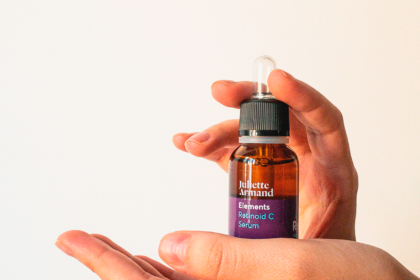
Vitamin C May Reverse Skin Aging at the Genetic Level, New Research Suggests
New research in The Journal of Investigative Dermatology reveals that vitamin C may reverse skin aging by altering gene expression…

How Vitamin C Reaches Skin: Blood Supply Proves More Effective Than Topical Application
A controlled human study in the Journal of Investigative Dermatology reveals that dietary vitamin C reaches skin more effectively through…

Vitamin C Does Not Boost Immunity—It Regenerates the Cells That Kill Pathogens
Vitamin C does not stimulate immunity—it regenerates the antioxidant defences of neutrophils, allowing immune cells to function across multiple pathogen…

Why Vitamin C Is Essential for Collagen Formation—and Why Supplements Often Miss the Mark
Vitamin C is not optional in collagen formation—it is catalytic. Your body continuously synthesizes collagen, but the newly formed protein…

How Coffee and Tea Reduce Iron Absorption: A Mechanism Explained
Polyphenols in coffee and tea bind non-heme iron in the gut, reducing absorption by 50 to 90%. Vitamin C counteracts…

Vitamin C Refuels Immune Cells Rather Than Boosting Immunity, Study Shows
New research reveals vitamin C doesn't boost immunity but refuels immune cells after they destroy pathogens. Neutrophils concentrate vitamin C…