🟠 Moderate Evidence
Matcha and steeped green tea originate from the same plant but diverge fundamentally at preparation, creating measurably different chemical profiles in the final beverage. According to research published in the Journal of Chromatography A, matcha contains at least three times more EGCG (epigallocatechin gallate), a key catechin polyphenol, than typical steeped green teas—a difference rooted not in superior leaves, but in how the two beverages are prepared and consumed.
Key takeaways
- Matcha delivers whole-leaf consumption, while steeped tea extracts only water-soluble compounds, leaving solid matter behind
- Shade-growing matcha increases L-theanine and chlorophyll content; whole-leaf ingestion amplifies bioavailable catechin levels by at least threefold versus steeped green tea
- Marketing claims about “calm focus” exceed current evidence; robust clinical trials in larger populations remain needed
Study at a Glance
| Source | Journal of Chromatography A |
| Study type | Comparative chemical analysis (HPLC) |
| Sample | Matcha powder vs steeped green tea leaves (multiple grades) |
| Key measure | EGCG and L-theanine content per cup |
| Country | Multi-regional comparison |
Catechin Recovery: Whole-Leaf vs Extraction Method
Estimated bioavailable EGCG content per 8 fl oz serving, based on Weiss & Anderton (2003) and Dietz et al. (2017)
Source: Weiss & Anderton, Journal of Chromatography A (2003); Dietz et al., Food Research International (2017) | Georgian Medical Journal News

How Preparation Creates Chemical Divergence
Steeped green tea operates as a water extraction. Hot water (typically 160–180°F) is poured over intact leaves for 2–3 minutes, dissolving soluble compounds into the liquid. The spent leaves are then discarded, meaning consumers ingest only the water-soluble fraction of the plant’s chemical content. Catechins—the polyphenolic compounds responsible for much of green tea’s health interest—are partially water-soluble. Significant amounts remain trapped in the leaf’s insoluble matrix.
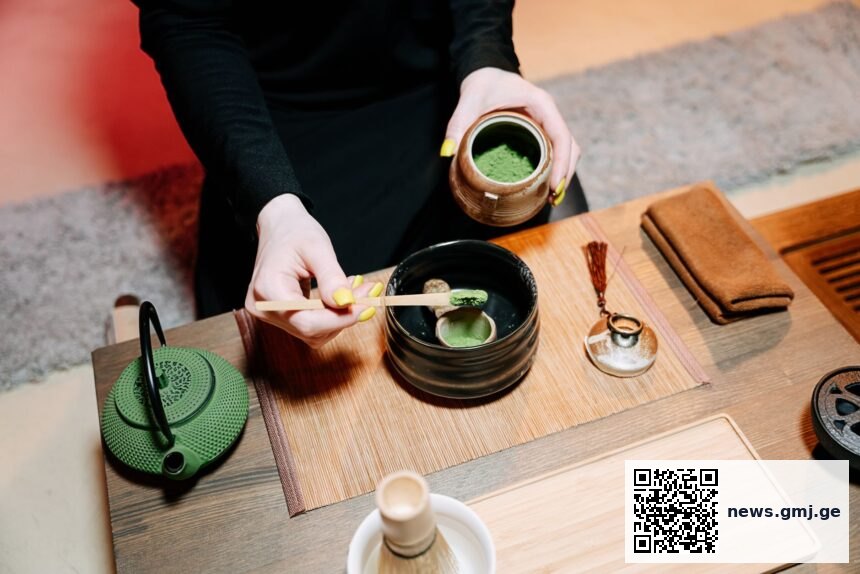
Matcha follows a fundamentally different pathway. The tea plant is shade-grown for several weeks before harvest, a practice that, according to research in Food Research International, increases L-theanine and chlorophyll accumulation in the leaves. Post-harvest, the leaves are steamed, dried, and stone-ground into a fine powder. When prepared, this powder is whisked directly into water—the entire leaf becomes part of the beverage. Nothing is discarded.
This distinction explains the chemical advantage. Because matcha drinkers consume all of the leaf, including its insoluble compounds, the total dose of bioavailable catechins is substantially higher than in steeped tea, even accounting for the higher catechin density that shade-growing confers.
The “137x EGCG” Claim: What the Data Actually Show
Popular matcha marketing frequently cites a “137 times more EGCG than green tea” statistic. This figure, derived from Weiss and Anderton’s 2003 analysis, compares matcha against a single low-grade Chinese green tea variety. The comparison is technically accurate for that one pairing but is misleading as a categorical claim.
A more defensible statement, supported by the same research, is that matcha contains at least three times more EGCG per cup than the broader range of steeped green teas reported in the scientific literature. This three-fold advantage holds across premium, mid-grade, and standard steeped teas, making it a more robust claim than the 137-fold outlier comparison. Both matcha and steeped green tea drinkers benefit from significant catechin intake, but the magnitude of that intake differs materially.
Cognitive Benefits: Where Marketing Outpaces Evidence
The “calm focus” narrative attached to matcha has become mainstream marketing language. This claim originates in part from a 2008 study by Owen and colleagues published in Nutritional Neuroscience, which examined the combined effects of caffeine and L-theanine on cognitive performance. However, that trial included only 27 participants—a sample size insufficient to establish clinical consensus about matcha’s cognitive effects in the broader population.
L-theanine, an amino acid enriched in shade-grown matcha, does appear in mechanistic studies to modulate caffeine’s stimulant effects and may promote a state of relaxed alertness. Yet large-scale randomized controlled trials directly measuring matcha’s impact on sustained attention, working memory, or mood in diverse populations remain absent from the literature. The evidence base, while suggestive, does not yet justify the confident claims made in commercial messaging. Clinical evidence updates on cognitive supplements continue to evolve.
Matcha contains at least three times more EGCG per cup than typical steeped green tea, a difference attributable to whole-leaf consumption and shade-growing protocols, not superior leaf quality alone.
— Weiss and Anderton, Journal of Chromatography A (2003)
What this means
Frequently asked questions
Is matcha significantly more healthy than regular green tea?
Matcha delivers a higher dose of bioavailable catechins due to whole-leaf consumption, making it a more concentrated antioxidant source. However, both beverages contain clinically meaningful amounts of polyphenols. “Significantly more healthy” depends on individual health goals; for antioxidant intake alone, matcha offers a quantifiable advantage, but regular green tea remains a valid choice for those preferring lower cost or different flavor profiles.
Does the “137x more EGCG” claim hold up?
This figure compares matcha to one low-grade Chinese green tea brand and is not representative of matcha versus all green teas. A more accurate statement is that matcha contains at least three times more EGCG per cup than typical steeped green teas across grades and regions. Marketing materials should use this three-fold comparison rather than the 137-fold outlier figure.
Is the “calm focus” benefit of matcha proven?
The mechanistic basis for L-theanine’s calming effect exists, and small studies suggest benefit, but large, well-powered randomized trials in diverse populations remain lacking. Current evidence is preliminary; consumers should not rely on matcha as a primary cognitive aid until more robust clinical data emerge. For sustained attention and mood, exercise and sleep remain better-established interventions.
As consumer interest in functional beverages grows, accurate chemical and clinical characterization becomes essential to distinguish genuine functional benefit from marketing narrative. Future research should prioritize adequately powered trials isolating matcha’s effects on cognition, mood, and long-term health outcomes in representative populations. Both matcha and steeped green tea remain nutrient-rich options; the choice between them should reflect individual circumstances, preferences, and realistic expectations about their health effects. Explore more on evidence-based health explainers and emerging research findings through GMJ News.
Source: Matcha and steeped green tea preparation chemistry analysis
Was this article helpful?
Disclaimer. This article is health journalism intended for general information and education. It is not medical advice and is not a substitute for professional diagnosis or treatment. Always consult a qualified healthcare provider about your individual circumstances. Full disclaimer →
Related Coverage



Editorial standards. This article was produced under the GMJ News editorial process, with oversight by the GMJ Editorial Board. Our editorial process. Spotted an error? Contact the editorial team.