


Tag: biochemistry

How creatine, collagen, and magnesium work at the molecular level—and why supplementation requires careful consideration
Three widely supplemented micronutrients work through distinct biochemical pathways that explain why ingredient quantity matters less than understanding the specific…

How Your Body Stores and Deploys Nutrients: A Systems View of Micronutrient Management
Your body operates sophisticated storage systems for different micronutrients, with vitamins and minerals following distinct tissue-specific pathways that determine how…

Vitamins Don’t Work Alone: How Nutrient Systems Keep Your Body Running
Vitamins and minerals function as interconnected metabolic systems, not isolated nutrients. Understanding how B12 and folate work together, how magnesium…
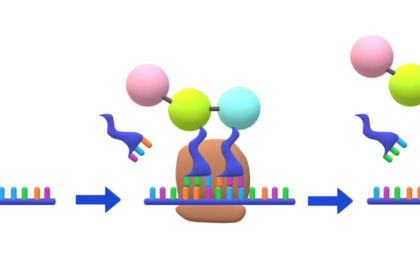
The 20 Amino Acids: The Chemical Alphabet of Life and What Every Patient Should Know
Proteins are constructed from just 20 amino acids, nine of which must come from food. Understanding their chemical properties and…

The Citric Acid Cycle: How Chemistry Powers Every Cell in Your Body
The citric acid cycle, occurring in every living cell, is the fundamental metabolic process that converts food into usable energy.…
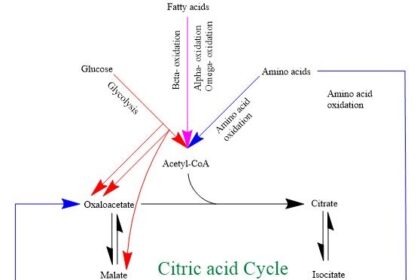
The Citric Acid Cycle: How Cells Convert Food Into Energy
The citric acid cycle—Earth's most fundamental energy conversion process—occurs billions of times per second in every human cell, converting all…
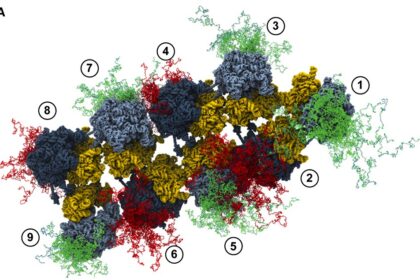
The 20 amino acids: life’s molecular alphabet explained
The human body uses 20 standard amino acids as the building blocks for all proteins. Nine are essential—they cannot be…

Beyond the Vitamin List: How Nutrients Work as Interconnected Biological Systems
Conventional nutrition presents vitamins and minerals as isolated nutrients, but biochemical evidence shows they function as interconnected metabolic circuits. Understanding…