


Stroke
GMJ News knowledge hub · last reviewed September 2026 · Georgian Medical Journal
SummaryStatisticsGlossaryGMJ newsFAQDocumentsOrganizationsResearch
Stroke strikes someone in the world every few seconds: over 12 million people have a stroke each year and about 6.5 million die, making it the second leading cause of death and a leading cause of adult disability — and one in four adults will experience a stroke in their lifetime (World Stroke Organization). The INTERSTROKE study showed around 90% of stroke risk is attributable to modifiable factors, led by hypertension; and treatment is a race against the clock, where rapid recognition (FAST), thrombolysis and mechanical thrombectomy can reverse what was once permanent damage. Prevention, acute systems of care and rehabilitation access are the storylines GMJ News follows.
Key messages
Second leading killer
Stroke is the second leading cause of death and a leading cause of adult disability worldwide: over 12 million new strokes per year, 6.5 million deaths and 101 million people currently living with its effects (World Stroke Organization).
Lifetime risk
One in four adults worldwide will have a stroke during their lifetime — making it one of the most commonly experienced neurological events. Around 87% are ischaemic (blocked artery); 13% are haemorrhagic (bleeding).
Time is brain
Every minute of stroke, approximately 1.9 million neurons are lost. Rapid recognition (FAST — Face drooping, Arm weakness, Speech difficulty, Time to call emergency services) and treatment within hours dramatically improves outcomes.
Ischaemic stroke is treatable
Intravenous thrombolysis (tPA) within 4.5 hours and mechanical thrombectomy — removal of the clot with a catheter device — can reverse stroke deficits and save lives, but require specialist stroke unit care.
90% of risk is modifiable
The landmark INTERSTROKE study showed that 10 risk factors — hypertension, smoking, diabetes, physical inactivity, waist-to-hip ratio, diet, alcohol, psychosocial stress, cardiac causes and dyslipidaemia — account for 90% of stroke risk.
Rehabilitation matters
Intensive post-stroke rehabilitation — physiotherapy, speech therapy, occupational therapy — substantially improves functional recovery. Early mobilisation and organised inpatient care in stroke units halves mortality and disability.
Key statistics
Global stroke deaths per year (millions) 2000-2019 — GBD / World Stroke Organization
Source: Global Burden of Disease study and World Stroke Organization Global Stroke Fact Sheet.
Glossary of key terms
Latest GMJ coverage
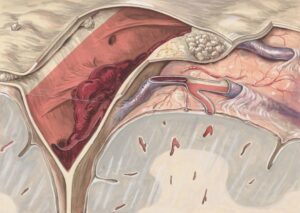
Decades-Old Understanding of Common Stroke Challenged by New Research on Blood Vessel Damage
16/09/2026

Mirror-image pain after stroke linked to LPA-driven inflammation crossing brain hemispheres
10/06/2026
Magnesium and Heart Disease: What the Evidence Actually Shows
22/07/2026
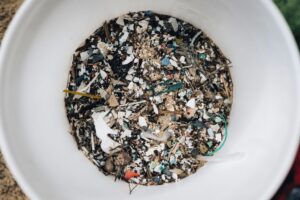
Microplastics Found in Human Arterial Plaque Linked to Heart Attack and Stroke Risk
18/07/2026

Grip strength emerges as stronger mortality predictor than blood pressure in global study
18/07/2026
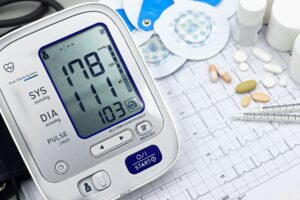
Eight Common Food Additives Linked to Hypertension and Cardiovascular Disease in Large Cohort Study
13/07/2026
Frequently asked questions 12 Q&A — structured for Google featured snippets and AI discovery
Knowledge hub: guidelines, conventions and reports
Organizations working in migration and health
Related health topics
HypertensionCardiovascular diseaseDiabetesTobaccoPhysical activityAgeing
About this hub. Produced by the GMJ News Editorial Team as a public-good service. Every statistic is linked to its primary source. Documents are preserved in the GMJ Repository with full attribution. Georgian Medical Journal · Contact the editorial team