Updated 14/09/2026
🟢 Strong Evidence
The World Meteorological Organization (WMO) has issued a warning that El Niño conditions will continue driving above-average temperatures, intensifying heatwaves, droughts, and wildfires through at least August 2024. The climate phenomenon poses significant public health risks, particularly for vulnerable populations in regions already experiencing extreme weather events.
Key takeaways
- El Niño conditions will persist through August 2024, driving above-average global temperatures
- Increased risk of heatwaves, droughts, and wildfires across multiple regions worldwide
- Public health systems must prepare for climate-related health emergencies and heat stress impacts
Climate Pattern Extends Extreme Weather Timeline
The World Health Organization estimates that climate change already causes approximately 250,000 additional deaths annually from malnutrition, malaria, diarrhea, and heat stress. WMO’s latest forecasts indicate that El Niño conditions will continue to amplify these risks through the Northern Hemisphere summer months.

El Niño typically brings warmer ocean temperatures in the Pacific, disrupting global weather patterns and increasing the likelihood of extreme heat events.
Regional Health Preparedness Becomes Critical
Vulnerable populations, including elderly adults, children, and individuals with chronic conditions, face disproportionate risks during prolonged heat exposure. Global health experts emphasize the need for early warning systems and community cooling strategies to prevent heat-related mortality.
Drought and Wildfire Risks Compound Health Threats
Beyond direct heat exposure, El Niño-driven droughts threaten food security and water availability in multiple regions. The Food and Agriculture Organization has documented how drought conditions can lead to malnutrition and increased susceptibility to infectious diseases.
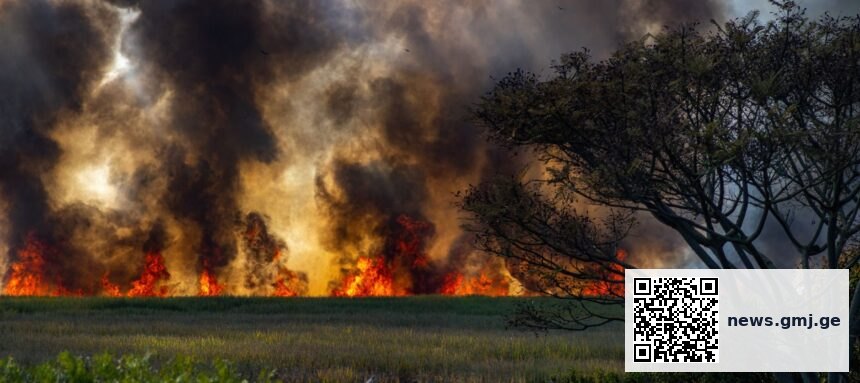
Wildfire smoke exposure presents additional respiratory health risks, with particulate matter concentrations often exceeding safe air quality standards during active fire seasons.
Coordinated Response Required Through Summer
WMO’s warning underscores the need for coordinated public health preparedness measures across national and international levels. Heat action plans, early warning systems, and healthcare capacity planning become essential tools for managing the anticipated health impacts through August 2024.
Climate adaptation strategies must integrate health system resilience to address both immediate emergency response needs and longer-term climate health risks. The intersection of El Niño conditions with existing health vulnerabilities requires proactive intervention to prevent avoidable morbidity and mortality.
El Niño conditions will persist through August 2024, driving above-average temperatures and increasing extreme weather risks globally
— World Meteorological Organization (WMO Seasonal Climate Update, 2024)
What this means
Frequently asked questions
How long will El Niño conditions affect global temperatures?
According to WMO forecasts, El Niño conditions are expected to continue driving above-average temperatures through at least August 2024. The climate pattern typically influences global weather for 9-12 months.
Which populations are most at risk during El Niño-driven heatwaves?
Elderly adults, young children, pregnant women, and individuals with chronic cardiovascular or respiratory conditions face the highest risk of heat-related illness. Urban residents and outdoor workers also experience elevated exposure risks.
What health preparations should communities make for extended heat conditions?
Communities should establish cooling centers, implement early warning systems, and ensure healthcare facilities have adequate capacity for heat-related emergencies. Public education about heat illness recognition and prevention is also critical.
The WMO warning provides crucial lead time for health systems and policymakers to implement protective measures before the most intense summer heat arrives. Coordinated climate health preparedness during the coming months will be essential to minimize the public health impacts of this extended El Niño episode.
🗺️ Find certified Georgian healthcare providers: sheniekimi.ge — Georgia Health Map · 998 clinics · 6,600+ doctors · 2,296 pharmacies
Was this article helpful?
Disclaimer. This article is health journalism intended for general information and education. It is not medical advice and is not a substitute for professional diagnosis or treatment. Always consult a qualified healthcare provider about your individual circumstances. Full disclaimer →
Related Coverage



Editorial standards. This article was produced under the GMJ News editorial process, with oversight by the GMJ Editorial Board. Our editorial process. Spotted an error? Contact the editorial team.