Updated 13/09/2026
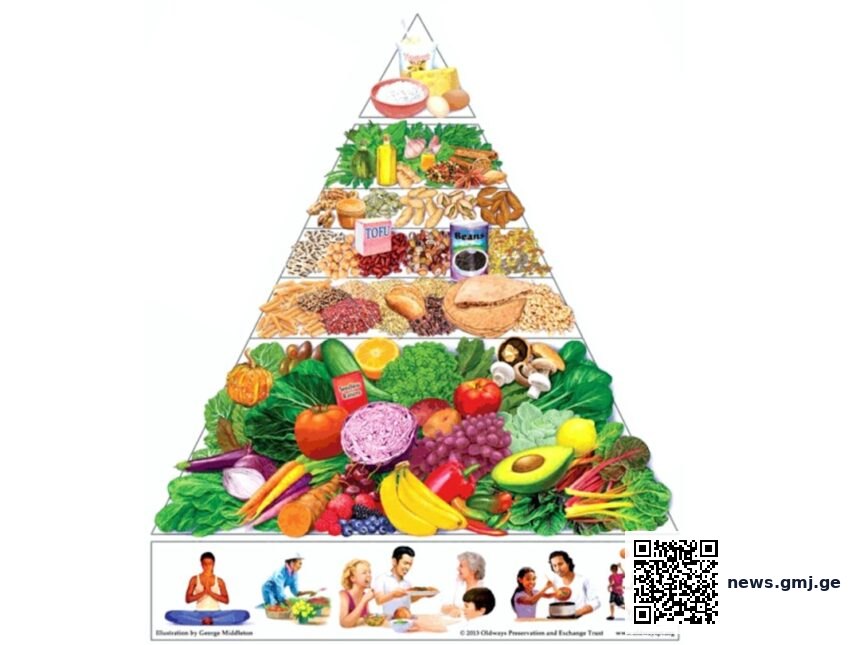
The White House has unveiled an updated Food Pyramid aligned with the 2025-2030 Dietary Guidelines for Americans, marking the fifth iteration of these evidence-based recommendations issued every five years. The revised guidance prioritizes high-quality protein sources, healthy fats, and increased consumption of fruits and vegetables, signalling a significant shift from earlier dietary frameworks that emphasised simple carbohydrate proportions.
Key takeaways
- The updated Food Pyramid emphasises protein quality and fat composition over total carbohydrate quantity
- Fruits and vegetables receive expanded prominence in the revised guidance structure
- The new framework reflects current nutritional science regarding cardiovascular health and metabolic disease prevention
Evolution of U.S. Dietary Guidance Models
From the original Food Pyramid (1992) to the 2025 updated model, emphasis on nutritional components has shifted significantly
Source: U.S. Department of Agriculture & Department of Health and Human Services, 2025 | Georgian Medical Journal News

A departure from outdated frameworks
The previous Food Pyramid model, which dominated nutritional guidance from 1992 onwards, placed grains and carbohydrates at the foundation of the diet. The revised framework reflects mounting evidence published in sources such as The New England Journal of Medicine and Circulation demonstrating that fat quality, rather than total fat reduction, correlates with improved cardiovascular outcomes and reduced metabolic disease risk. This shift aligns the U.S. guidance with international recommendations from the World Health Organization and the European Society of Cardiology.
The reorientation towards protein quality reflects contemporary research on amino acid composition and its role in muscle maintenance, satiety, and metabolic regulation across the lifespan. For further context on evidence-based dietary frameworks, see our Clinical Updates section.
Practical implications for nutrition and public health
The expanded emphasis on fruits and vegetables addresses persistent gaps in American dietary intake. According to the U.S. Centers for Disease Control and Prevention, fewer than one in ten American adults consume the recommended daily servings of vegetables. The new guidance aims to address this shortfall by making produce intake visually central to the dietary model, thereby potentially improving population-level adherence to evidence-based recommendations.
The prioritisation of healthy fat sources—including fish, nuts, seeds, and vegetable oils—represents a substantial departure from the low-fat dietary paradigm that dominated public health messaging for decades. This change acknowledges research demonstrating that unsaturated fats support cognitive function, reduce inflammation, and contribute to cardiovascular protection.
Alignment with contemporary nutritional science
The updated pyramid incorporates findings from large prospective cohort studies, including the PREDIMED trial, which demonstrated that Mediterranean-style dietary patterns rich in healthy fats and plant-based foods reduce cardiovascular events by approximately 30% compared to low-fat diets. The revised U.S. guidance reflects this evidence by repositioning fats and plant-based proteins as core nutritional components rather than secondary elements. For related policy updates, consult our Health Policy section.
The 2025-2030 Dietary Guidelines prioritise protein quality and healthy fat composition, marking a fundamental shift from carbohydrate-centred dietary frameworks that emphasised portion control over nutritional density.
— U.S. Department of Agriculture & Department of Health and Human Services, 2025 Dietary Guidelines Release
Implementation and future clinical practice
Registered dietitians and primary care physicians can expect updated counselling frameworks aligned with the new pyramid to become standard in clinical practice over the coming 12–18 months. Medical schools and continuing education programmes will likely incorporate the revised guidance into nutrition curricula. The American Academy of Family Physicians and the American Dietetic Association are expected to issue implementation guidance in the coming quarters.
What this means
Frequently asked questions
How often are the Dietary Guidelines for Americans updated?
The Dietary Guidelines for Americans are updated every five years by the U.S. Department of Agriculture and Department of Health and Human Services, based on systematic review of current nutritional science and epidemiological evidence.
Why does the new pyramid emphasise fat quality rather than total fat reduction?
Decades of prospective cohort research, randomised controlled trials (including the PREDIMED study), and meta-analyses published in peer-reviewed journals have demonstrated that unsaturated fats from sources such as olive oil, fish, and nuts reduce cardiovascular disease risk and inflammation, whereas trans fats and excessive saturated fats increase risk. The updated guidance reflects this evidence.
What is the practical difference between the old and new Food Pyramid for my diet?
The previous model suggested minimising fats and maximising grains. The updated approach encourages abundant vegetables and fruits, high-quality proteins (including fish and legumes), and regular consumption of healthy fats (nuts, seeds, oils), while moderating refined grain intake. This shift supports sustained energy, satiety, and reduced risk of type 2 diabetes and cardiovascular disease.
As dietary guidance continues to evolve with nutritional science, the 2025-2030 framework represents a significant step towards evidence-based public health messaging aligned with global standards. Healthcare professionals and individuals adopting these recommendations are likely to see improved clinical outcomes related to metabolic health, cardiovascular disease prevention, and sustainable weight management.
Source: U.S. Dietary Guidelines for Americans 2025-2030, White House announcement and U.S. Department of Agriculture & Department of Health and Human Services
🗺️ Find certified Georgian healthcare providers: sheniekimi.ge — Georgia Health Map · 998 clinics · 6,600+ doctors · 2,296 pharmacies
Was this article helpful?
Disclaimer. This article is health journalism intended for general information and education. It is not medical advice and is not a substitute for professional diagnosis or treatment. Always consult a qualified healthcare provider about your individual circumstances. Full disclaimer →
Related Coverage




Editorial standards. This article was produced under the GMJ News editorial process, with oversight by the GMJ Editorial Board. Our editorial process. Spotted an error? Contact the editorial team.