Updated 13/09/2026
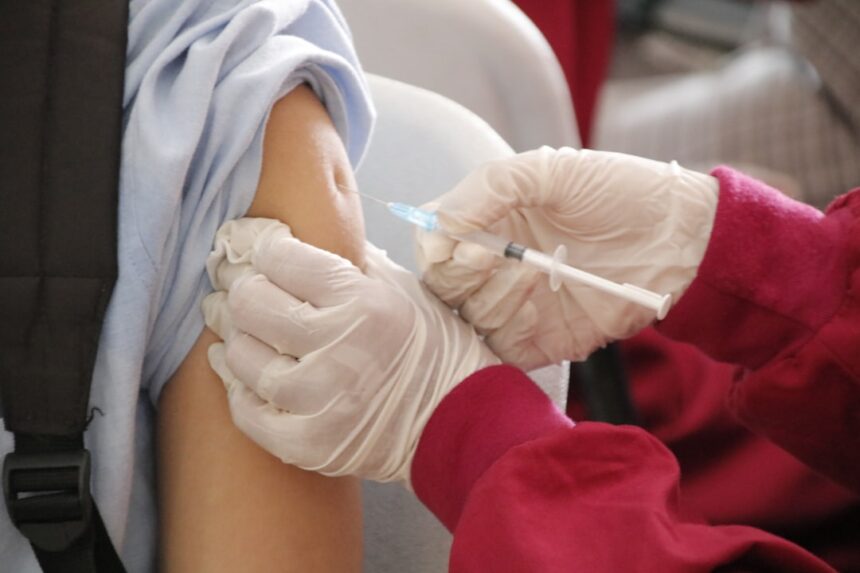
The UK has launched the world’s first national gonorrhoea vaccination programme using the 4CMenB vaccine, according to UK government guidance published on the official government website. The programme targets high-risk populations as gonorrhoea rates continue to rise across England and Wales.
Programme Targets High-Risk Populations
The UK Health Security Agency has identified specific groups for priority vaccination based on epidemiological data. Men who have sex with men aged 16-25 years represent the highest priority cohort, followed by individuals with multiple sexual partners and those attending sexual health clinics.
The programme builds on existing evidence from studies showing the 4CMenB vaccine’s cross-protective effects against gonorrhoea. Research has demonstrated varying efficacy rates depending on bacterial strain and patient demographics.

Antibiotic Resistance Drives Vaccination Strategy
Rising antimicrobial resistance has prompted this preventive approach to gonorrhoea control. The World Health Organization has classified gonorrhoea as a priority pathogen for new treatment development due to extensive drug resistance patterns.
Current first-line treatments show declining effectiveness across multiple countries. The UK’s vaccination strategy represents a proactive response to this global health challenge, potentially serving as a model for other nations facing similar resistance patterns.
Implementation and Monitoring Framework
The programme will operate through existing sexual health services and GP practices across England. Healthcare providers receive specific training on vaccine administration, eligibility criteria, and patient counselling protocols established by the NHS vaccination programme.
Comprehensive surveillance systems will monitor programme effectiveness, including gonorrhoea incidence rates, vaccine coverage, and adverse events. Data collection follows established epidemiological surveillance protocols for vaccine programme evaluation.
Key takeaways
- UK becomes first country to implement national gonorrhoea vaccination using 4CMenB vaccine
- Programme targets men aged 16-25 who have sex with men as highest priority group
- Rising antibiotic resistance drives shift toward prevention-based approach
- Programme operates through existing sexual health services and GP practices
Frequently asked questions
Who is eligible for the gonorrhoea vaccine?
The programme prioritises men who have sex with men aged 16-25 years, individuals with multiple sexual partners, and those attending sexual health clinics. Eligibility is determined by healthcare providers based on individual risk assessment and national guidelines.
How effective is the 4CMenB vaccine against gonorrhoea?
The vaccine provides additional protection alongside safe sex practices and regular testing. Effectiveness varies by bacterial strain and patient factors.
Will this vaccine programme reduce antibiotic resistance?
By preventing gonorrhoea infections, the programme should reduce overall antibiotic use for treating the disease. This may help slow the development of further resistance, though continued surveillance and responsible antibiotic use remain essential.
The UK’s gonorrhoea vaccination programme represents a paradigm shift in sexually transmitted infection prevention, moving from treatment-focused to prevention-based strategies. Success will depend on achieving high vaccine coverage in target populations and maintaining robust surveillance systems. Other countries are closely monitoring outcomes to inform their own gonorrhoea prevention strategies.
Source: The national gonorrhoea vaccination programme using 4CMenB vaccine: frequently asked questions
🗺️ Find certified Georgian healthcare providers: sheniekimi.ge — Georgia Health Map · 998 clinics · 6,600+ doctors · 2,296 pharmacies
Was this article helpful?
Disclaimer. This article is health journalism intended for general information and education. It is not medical advice and is not a substitute for professional diagnosis or treatment. Always consult a qualified healthcare provider about your individual circumstances. Full disclaimer →
Related Coverage




Editorial standards. This article was produced under the GMJ News editorial process, with oversight by the GMJ Editorial Board. Our editorial process. Spotted an error? Contact the editorial team.