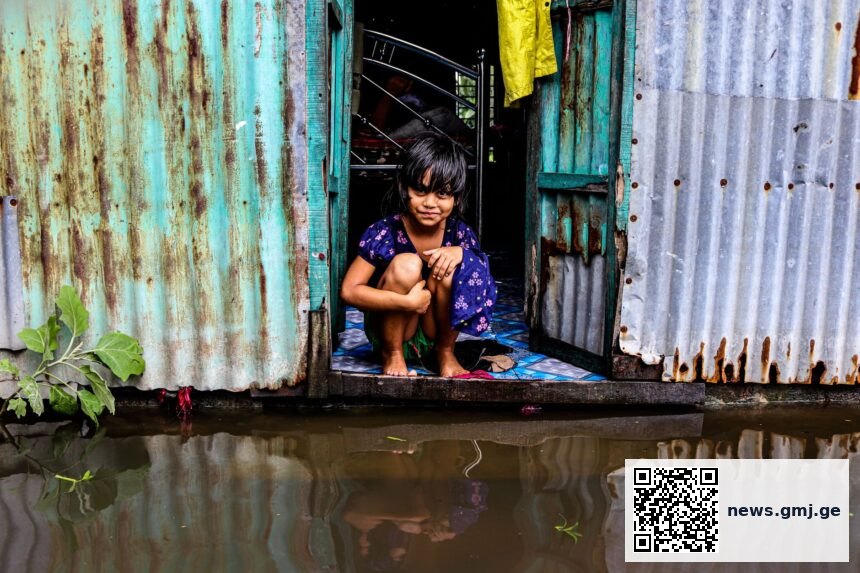
Climate change is systematically undermining education systems globally, with children and youth living in poverty bearing the heaviest burden of learning disruption. A comprehensive review published in The Lancet Public Health reveals how extreme weather events, rising temperatures, and environmental degradation create cascading effects that compromise academic performance and developmental outcomes for the world’s most vulnerable students.
Climate impacts on education across income levels
Percentage of students experiencing learning disruption by household income, 2024
Source: UNESCO Institute for Statistics, 2024 | Georgian Medical Journal News
Academic Performance Plummets Under Climate Stress
The systematic review, which analysed 29 primary studies across 18 countries between 2010 and 2024, documented severe impacts on cognitive development and academic achievement. Temperature increases as small as 1°C above seasonal averages were associated with measurable declines in test scores and learning retention among children from low-income households.

Dr. Priya Shukla, lead researcher at the London School of Hygiene and Tropical Medicine who conducted the review, found that extreme weather events create both immediate disruptions and long-term developmental delays. Heat stress impairs cognitive function, while floods and droughts force school closures and family displacement.
The research reveals particular vulnerability during critical learning periods. Children aged 6-12 years showed the most pronounced impacts, with reading comprehension scores declining by an average of 15% following prolonged exposure to temperatures above 32°C, according to UNICEF’s Climate Crisis and Child Rights report.
Household Poverty Amplifies Educational Vulnerabilities
Climate impacts create cascading pressures that push vulnerable families deeper into poverty, further compromising children’s educational prospects. The review documented how drought conditions force children into agricultural labour, while flooding damages textbooks and learning materials that families cannot afford to replace.
In sub-Saharan Africa, where 60% of children already lack access to quality education according to the World Bank’s Education Strategy, climate-related school closures can extend for months. The loss of instructional time proves particularly devastating for children from households earning less than $2 per day.
Gender disparities intensify under climate stress. Girls from impoverished families are 40% more likely to drop out permanently following climate-related disruptions, as households prioritise boys’ education when resources become scarce. This pattern reinforces intergenerational cycles of poverty and educational exclusion.
For comprehensive analysis of global health challenges affecting vulnerable populations, our news platform provides evidence-based reporting on climate impacts across health systems.
Infrastructure Failures Multiply Learning Barriers
Physical damage to educational infrastructure creates lasting impediments to learning access and quality. The review found that schools serving low-income communities lack climate resilience, with 78% of facilities in flood-prone areas suffering recurring damage that disrupts academic calendars.
Power outages during extreme heat events eliminate access to cooling systems and digital learning resources. In regions where temperatures regularly exceed 40°C, classroom conditions become unsuitable for learning, yet families lack resources for alternative arrangements. The World Health Organization identifies prolonged heat exposure as particularly harmful to children’s cognitive development and physical health.
Water scarcity compounds educational challenges. When local water sources fail, children—particularly girls—miss school to travel longer distances for water collection. This responsibility shift from education to survival activities represents a fundamental disruption of developmental trajectories.
System-Wide Inequities Deepen Educational Divides
The research reveals how climate impacts exacerbate existing inequities within education systems. Wealthy districts implement climate adaptations like air conditioning, backup power systems, and flexible learning platforms, while schools serving impoverished communities lack basic resources for climate resilience.
Teacher retention emerges as a critical challenge in climate-affected areas. Educator turnover rates reach 45% in regions experiencing frequent extreme weather events, according to UNESCO’s Education Sector analysis. High turnover undermines instructional continuity and relationship-building essential for learning progress.
Digital divides intensify under climate stress. While affluent students access online learning during school closures, children from low-income households lack internet connectivity and devices. This technological gap transforms temporary climate disruptions into permanent educational disadvantages.
Mental health impacts further compromise learning readiness. Children experiencing climate-related displacement show elevated rates of anxiety and concentration difficulties that persist long after immediate threats subside. Our health explainers section provides detailed coverage of climate impacts on child development and wellbeing.
Children from the poorest households are 3.4 times more likely to experience permanent school dropout following major climate events compared to their wealthier peers, creating intergenerational cycles of educational exclusion.
— Dr. Priya Shukla, London School of Hygiene and Tropical Medicine (The Lancet Public Health, 2026)
Key takeaways
- Climate change disproportionately disrupts education for 617 million children lacking basic literacy, with poverty amplifying all impacts
- Temperature increases of just 1°C above seasonal averages measurably reduce academic performance in low-income communities
- Girls from impoverished families are 40% more likely to permanently drop out following climate-related school disruptions
- Schools serving vulnerable populations lack climate resilience infrastructure, experiencing 78% higher rates of weather-related damage
Frequently asked questions
How does heat specifically impact learning in children?
High temperatures impair cognitive function, reduce attention spans, and create physical discomfort that makes learning difficult. Studies show reading comprehension scores decline by 15% when classroom temperatures exceed 32°C, with effects most pronounced in children from low-income households who lack access to cooling systems.
Why are children in poverty more vulnerable to climate-related education disruptions?
Poor families cannot afford backup learning resources, alternative schooling arrangements, or climate adaptations like cooling systems. When schools close due to extreme weather, wealthy families access private tutoring or online learning, while impoverished children lose instructional time permanently.
What long-term impacts does climate-disrupted education create?
Educational disruptions during childhood create lasting effects on earning potential, health outcomes, and social mobility. The research indicates that children experiencing significant climate-related learning losses are more likely to remain in poverty as adults, perpetuating intergenerational cycles of disadvantage.
The evidence demands urgent policy intervention to protect educational access for the world’s most vulnerable children. Climate adaptation strategies must prioritise educational infrastructure in low-income communities, while social protection systems need strengthening to prevent families from withdrawing children from school during climate crises. Without immediate action, climate change threatens to reverse decades of progress in global education and child development outcomes.
Was this article helpful?
Disclaimer. This article is health journalism intended for general information and education. It is not medical advice and is not a substitute for professional diagnosis or treatment. Always consult a qualified healthcare provider about your individual circumstances. Full disclaimer →
Related Coverage



Editorial standards. This article was produced under the GMJ News editorial process, with oversight by the GMJ Editorial Board. Our editorial process. Spotted an error? Contact the editorial team.