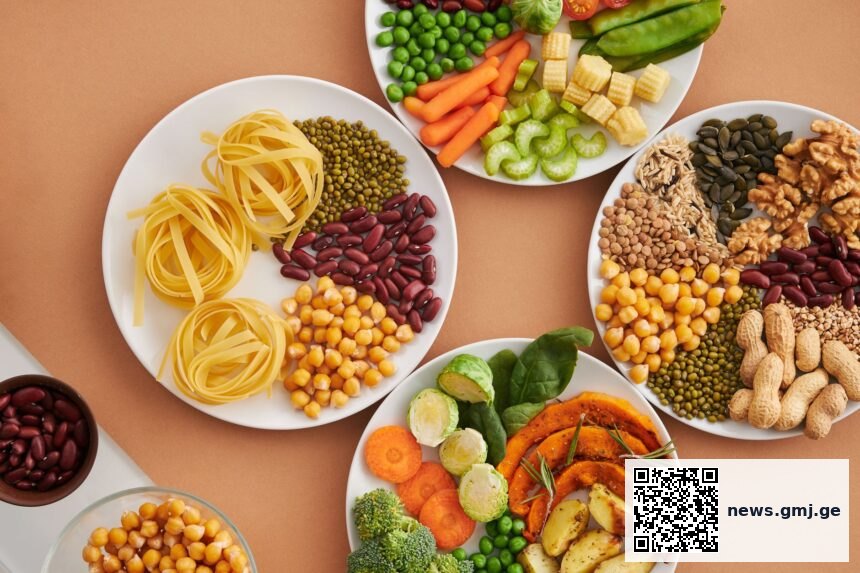
The White House has released its 2025–2030 Dietary Guidelines for Americans, marking a significant shift in federal nutritional policy. The new guidelines, published every five years, prioritize minimally processed, nutrient-dense foods as the foundation for dietary recommendations, departing from earlier frameworks that emphasized nutrient substitution within processed dietary patterns. The updated guidance also raises explicit protein intake targets to 1.2–1.6 g/kg/day and reaffirms animal-sourced proteins—meat, poultry, eggs, seafood, and dairy—as nutrient-dense options, a notable departure from prior recommendations encouraging systematic shifts away from animal proteins.
Key takeaways
- The 2025–2030 Dietary Guidelines establish minimally processed, naturally nutrient-dense foods as the reference standard, replacing prior reliance on nutrient substitution
- New guidelines introduce an explicit protein intake range of 1.2–1.6 g/kg/day with emphasis on protein at each meal
- Animal-sourced proteins (meat, poultry, eggs, seafood, dairy) are reaffirmed as nutrient-dense; prior recommendations to shift away from these sources were not adopted
- Ultra-processed foods are identified as a primary contributor to chronic metabolic disease, with guidance discouraging refined carbohydrates, added sugars, and non-nutritive sweeteners
- Evidence threshold raised: randomized controlled trials now prioritized over observational associations for policy recommendations
Core Changes in the 2025–2030 Dietary Guidelines
Seven foundational shifts in federal nutritional policy recommendations
Source: White House, 2025 Dietary Guidelines Committee Report | Georgian Medical Journal News
A New Evidentiary Standard: From Observation to Causation
The 2025–2030 guidelines introduce a notably stricter evidence threshold for dietary recommendations. According to the White House Dietary Guidelines 2025–2030, randomized controlled trials (RCTs) are now prioritized as the primary source of evidence, with observational associations explicitly treated as hypothesis-generating rather than policy-determining. This represents a methodological tightening compared to previous iterations, which afforded greater weight to prospective cohort studies and other observational designs. This shift has substantial implications for how the federal government will evaluate emerging nutrition science going forward.

The implications of this evidentiary reorientation are significant. For decades, dietary policy derived partly from observational epidemiology—associations that suggest but do not prove causation. By prioritizing RCTs, the guidelines now demand a higher causal standard. However, this also reflects recognition among policymakers that observational nutrition research, while informative, often produces inconsistent findings due to confounding, reverse causation, and measurement error. The change aligns with methodological best practices in clinical epidemiology and systematic review methodology, as outlined in resources like the Cochrane Collaboration.
Protein: Quantity, Source, and Meal Timing
The guidelines establish an explicit protein intake recommendation of approximately 1.2–1.6 g/kg/day across the lifespan, a specificity absent from prior iterations. The White House guidance also emphasizes protein consumption at each meal to support metabolic and functional health. This move reflects emerging evidence on the role of distributed protein intake in preserving lean muscle mass, particularly across aging populations. The recommendation echoes findings from recent clinical trials on protein timing and dose, which have shown that spreading protein across meals may optimize muscle protein synthesis better than concentrated intake.
Notably, the 2025–2030 guidelines explicitly reaffirm animal-sourced proteins—including meat, poultry, eggs, seafood, and dairy—as nutrient-dense protein sources. Prior recommendations had encouraged systematic shifts away from animal proteins, reflecting environmental and sustainability concerns. The updated guidance does not adopt this framing, instead emphasizing the micronutrient density and bioavailability of animal proteins. Full-fat dairy products without added sugars are now recommended, a reversal from decades of low-fat dairy promotion. This reflects updated evidence on saturated fat, which has shown that the relationship between whole-food saturated fat (dairy, unprocessed meat) and cardiovascular risk is more nuanced than previously assumed.
Ultra-Processed Foods as the Primary Dietary Target
The 2025–2030 guidelines identify highly processed foods as a primary contributor to chronic metabolic disease, representing a strategic reframing of dietary guidance. Rather than focusing narrowly on individual nutrients—calories, fat, sugar—the guidelines now emphasize food processing degree as a determinant of health outcomes. Guidance discourages foods high in refined carbohydrates, added sugars, industrial additives, and non-nutritive sweeteners. This approach is supported by observational epidemiology linking ultra-processed food consumption to obesity, type 2 diabetes, cardiovascular disease, and cognitive decline, as documented in the broader public health literature.
The emphasis on food processing degree rather than nutrient composition alone represents a departure from the nutrient-reduction paradigm. For example, rather than recommending “reduce saturated fat to clinical practice domains, from primary care counseling to dietary management of metabolic syndrome.
The 2025–2030 Dietary Guidelines establish minimally processed, naturally nutrient-dense foods as the reference standard and prioritize randomized controlled trial evidence over observational associations in policy formation.
— White House Dietary Guidelines Committee, 2025
Saturated Fat and Carbohydrate Quality: Nuanced Reframing
Although saturated fat limits are retained in the 2025–2030 guidelines, they are reframed with emphasis on reducing ultra-processed foods rather than replacing whole-food fats. This nuance acknowledges that saturated fat in the context of minimally processed foods (whole dairy, unprocessed meat, coconut oil) may have different metabolic and health effects than saturated fat in ultra-processed products (pastries, fried fast food, processed meats). The reframing reflects emerging evidence from metabolic trials and observational studies showing heterogeneous effects of saturated fat depending on food source and dietary context. Substantial reductions in refined carbohydrate intake are now explicitly recommended, with identification of refined grains and added sugars as primary targets for reduction rather than all carbohydrates.
The shift toward carbohydrate quality mirrors findings from recent nutrition epidemiology on glycemic index and dietary quality. Refined carbohydrates—white bread, sugary beverages, processed snacks—are associated with metabolic dysfunction across multiple studies, whereas whole grains and legumes show more favorable associations. By targeting refined carbohydrates rather than all carbohydrates, the guidelines align with evidence-based dietary patterns for diabetes prevention and cardiovascular health. For readers interested in deeper analysis of dietary patterns and chronic disease, the Georgian consumer health resources offer accessible summaries of recent nutrition science.
What this means
Frequently asked questions
How do the new guidelines differ from previous recommendations on animal protein?
Prior federal guidelines encouraged systematic reduction of animal-based protein in favor of plant-based sources. The 2025–2030 guidelines reaffirm animal proteins—meat, poultry, eggs, seafood, and dairy—as nutrient-dense options and recommend adequate protein (1.2–1.6 g/kg/day) distributed across meals. This reflects evidence on protein bioavailability and amino acid composition rather than sustainability or environmental considerations, which are outside the scope of these nutritional guidelines.
Why is full-fat dairy now recommended instead of low-fat?
Updated evidence suggests that the relationship between whole-food saturated fat (dairy fat) and cardiovascular risk is more complex than the low-fat diet hypothesis implied. Full-fat dairy without added sugars provides greater satiety, contains fat-soluble vitamins, and is not associated with increased cardiovascular risk in prospective studies. The guidelines emphasize the importance of avoiding added sugars and ultra-processing while accepting whole-food fat sources.
What is meant by “minimally processed” foods as the reference standard?
Minimally processed foods are those altered minimally from their natural state—cooked, dried, or frozen without added ingredients. These include whole grains, legumes, vegetables, fruits, meat, fish, eggs, nuts, and dairy. The guidelines position these as the foundation for healthy eating rather than processed alternatives fortified with nutrients. Ultra-processed foods—those with added sugars, refined carbohydrates, industrial additives, and non-nutritive sweeteners—are identified as the primary dietary target for reduction.
The 2025–2030 Dietary Guidelines for Americans signal a meaningful reorientation in federal nutrition policy, moving from nutrient-focused recommendations toward food-quality-centered guidance grounded in higher evidentiary standards. The emphasis on whole foods, adequate protein, and reduction of ultra-processing reflects both emerging science and methodological maturation in nutrition epidemiology. As these guidelines inform healthcare practice, food labeling policy, and public health messaging over the next five years, their implementation across clinical and public health settings will offer an important natural experiment in evidence-based dietary guidance at scale.
Source: 2025–2030 Dietary Guidelines for Americans, White House
Was this article helpful?
Disclaimer. This article is health journalism intended for general information and education. It is not medical advice and is not a substitute for professional diagnosis or treatment. Always consult a qualified healthcare provider about your individual circumstances. Full disclaimer →
Related Coverage




Editorial standards. This article was produced under the GMJ News editorial process, with oversight by the GMJ Editorial Board. Our editorial process. Spotted an error? Contact the editorial team.