By using this site, you agree to the Privacy Policy and Terms of Use.
Accept
GMJ NewsGMJ NewsGMJ News
  • Latest News
    • GMJ Briefs
  • Podcast & Media
    • Podcast Episodes
    • GMJ Audio
    • GMJ Videos
  • Research Digest
    • New Studies
    • Georgian Research
    • Data & Numbers
  • Policy & Systems
    • Health Policy
    • Quality & Safety
    • Migration & Health
    • Global Health
  • Practice
    • Clinical Updates
    • Case Discussions
    • Pharmacy & Prescribing
    • Ingredients A-Z
  • Perspectives
    • Editorial
    • Explainers
    • Voices
    • Letters
  • GMJ Articles
    • Vol. 1 Issue 2 (2026)
    • Vol. 1 Issue 1 (2026)
    • Pre-Launch Articles (2025)
  • Read the Journal →
  • About GMJ News
Notification Show More
Font ResizerAa
GMJ NewsGMJ News
Font ResizerAa
  • Latest News
    • GMJ Briefs
  • Podcast & Media
    • Podcast Episodes
    • GMJ Audio
    • GMJ Videos
  • Research Digest
    • New Studies
    • Georgian Research
    • Data & Numbers
  • Policy & Systems
    • Health Policy
    • Quality & Safety
    • Migration & Health
    • Global Health
  • Practice
    • Clinical Updates
    • Case Discussions
    • Pharmacy & Prescribing
    • Ingredients A-Z
  • Perspectives
    • Editorial
    • Explainers
    • Voices
    • Letters
  • GMJ Articles
    • Vol. 1 Issue 2 (2026)
    • Vol. 1 Issue 1 (2026)
    • Pre-Launch Articles (2025)
  • Read the Journal →
  • About GMJ News
Follow US
GMJ News > Practice > Clinical Updates > Zinc depletion in athletes: why the standard RDA falls short during training
Clinical UpdatesExplainersPerspectivesPractice

Zinc depletion in athletes: why the standard RDA falls short during training

GMJ
Last updated: 12/07/2026 13:29
By
GMJ Practice Desk
Share
9 Min Read
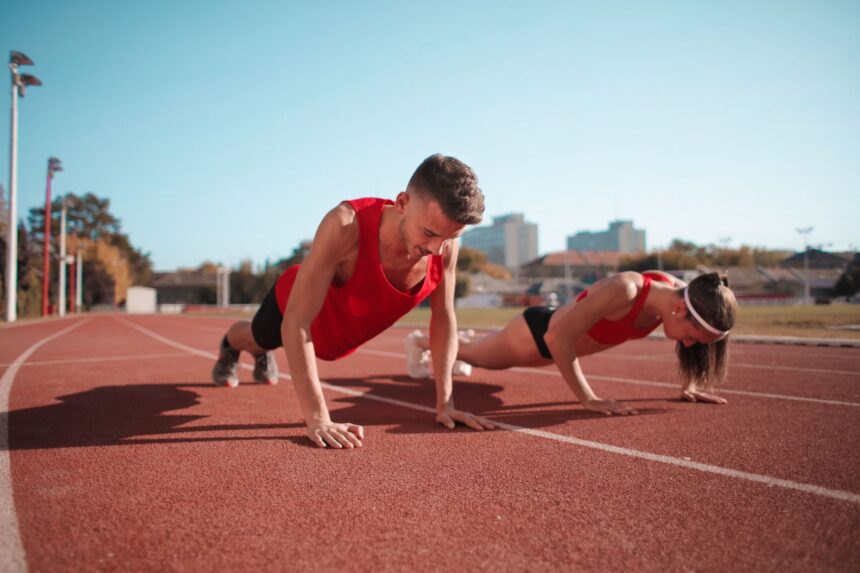
Diagram showing five pathways of zinc loss in athletes: GI secretion, sweat, skin turnover, urine, and semen, with comparative daily amounts in mgIllustrative image · Photo by Andrea Piacquadio on Pexels (Pexels License)
The human body stores only ~2 grams of zinc with no physiological reserve. Athletes engaged in intense training lose 20–40% more zinc through urine than sedentary individuals, yet standard dietary recommendations do not account for this. The Institute of Medicine's military committee recommends 15 mg daily for active individuals—36% above the civilian RDA. — Photo by Andrea Piacquadio on Pexels (Pexels License)
SHARE
5 min read|1,069 words
✓ Medically reviewed by Prof. Giorgi Pkhakadze, MD, MPH, PhD · ORCID 0000-0001-7609-4515

🟠 Moderate Evidence

Contents
    • Key takeaways
      • Evidence at a Glance
      • Zinc loss pathways and daily drainage in active individuals
  • Five concurrent pathways deplete zinc rapidly
  • Standard RDA underestimates requirements in athletes
  • Implications for training populations and recovery
    • What this means
  • Frequently asked questions
    • Why doesn’t the body store zinc like it stores iron?
    • How much zinc should a competitive athlete consume daily?
    • What are the early signs of zinc depletion in athletes?

The human body stores only approximately 2 grams of zinc with no dedicated reservoir mechanism, unlike iron, meaning athletes and physically active individuals face a continuous risk of zinc depletion that standard dietary recommendations may not address. According to research cited by the Institute of Medicine’s military committee (2006), exercise increases urinary zinc loss by 20–40%, yet the civilian recommended dietary allowance (RDA) of 11 mg per day does not account for these additional losses.

Key takeaways

  • The body stores only ~2 grams of zinc with no physiological reserve system, unlike iron storage
  • Athletes can lose 0.5–3 mg of zinc daily through gastrointestinal secretion alone, plus additional losses through sweat (0.5–1.5 mg per training session), skin turnover, urine, and semen
  • The Institute of Medicine’s military committee recommends 15 mg per day for active individuals—36% higher than the civilian RDA—because exercise increases urinary zinc loss by 20–40%
  • Total daily zinc losses in active individuals can exceed dietary replacement on a single high-intensity training day

Evidence at a Glance

Source Institute of Medicine
Study type Evidence review and recommendation
Population Military personnel and active individuals
Year 2006
Key finding Exercise increases urinary zinc loss by 20–40% above baseline
20–40%
Increase in urinary zinc loss during exercise, according to the Institute of Medicine’s military committee (2006)

Zinc loss pathways and daily drainage in active individuals

Multiple simultaneous routes of zinc loss exceed standard RDA replacement, measured in mg/day

Gastrointestinal secretion
0.5–3 mg
Standard RDA (civilian)
11 mg
IOM military recommendation
15 mg
Sweat loss per training session
0.5–1.5 mg

Source: Institute of Medicine Military Committee (2006) | Georgian Medical Journal News

Submit Your Paper
GMJ_Submit_Banner

Five concurrent pathways deplete zinc rapidly

The Institute of Medicine identifies multiple simultaneous routes through which zinc leaves the body. Gastrointestinal secretion alone accounts for 0.5–3 mg per day, representing a substantial baseline loss even at rest. During or after a single training session, athletes can lose an additional 0.5–1.5 mg through sweat, according to the military committee’s 2006 analysis. Add to this skin turnover, urinary excretion, and seminal losses in males, and total daily zinc depletion on an active training day can exceed what standard dietary recommendations assume will be replaced.

This multi-route drainage system means that unlike clinical iron supplementation situations, where a single storage organ can be replenished, zinc has no physiological vault. Every loss represents an immediate deficit that must be replaced through immediate dietary intake or supplementation.

Standard RDA underestimates requirements in athletes

The civilian RDA of 11 mg per day assumes a primarily sedentary lifestyle. However, the Institute of Medicine’s military committee (2006) documented that moderate to intense exercise increases urinary zinc loss by 20–40% above baseline levels. This finding prompted the committee to establish a military dietary reference intake (MDRI) of 15 mg per day—36% higher than the civilian standard—specifically to account for elevated losses in physically active populations.

The discrepancy reflects a critical gap between population-level dietary guidelines and individual physiological reality. A sedentary person consuming 11 mg of zinc daily may maintain homeostasis, but an athlete engaging in regular high-intensity training or heavy sweating will face a systematic deficit using the same intake target.

Implications for training populations and recovery

Zinc serves critical roles in immune function, protein synthesis, and wound healing—all particularly important during recovery from intense training. A chronic zinc deficit impairs these processes, potentially compromising immune competence, slowing adaptation to training stimulus, and delaying tissue repair. Athletes operating under the assumption that 11 mg daily zinc intake is adequate may not recognize cumulative depletion, which manifests gradually through increased infection rates, prolonged recovery periods, or slower strength gains rather than acute clinical symptoms.

Current research from medical journals examining micronutrient status in athletes suggests that individualized assessment of zinc intake, accounting for training volume and sweat rate, may improve performance and health outcomes. However, awareness of this issue among athletes, coaches, and even some practitioners remains limited.

Exercise increases urinary zinc loss by 20–40%, prompting the Institute of Medicine to recommend 15 mg per day for active individuals—36% above the civilian RDA of 11 mg—because standard guidelines do not account for athlete-specific depletion routes.

— Institute of Medicine Military Committee (2006)

What this means

For athletes: If you train intensely or sweat heavily, consuming only 11 mg of zinc daily may leave you in chronic deficit. Consider tracking actual intake and consulting a sports dietitian to assess whether 15 mg or higher is appropriate for your training volume.
For clinicians: When evaluating fatigue, recurrent infections, or delayed recovery in active patients, assess zinc status and dietary intake against activity-adjusted thresholds (15+ mg/day for moderate-to-intense training) rather than applying sedentary RDA benchmarks.
For policymakers: Consider developing activity-stratified dietary guidelines that distinguish zinc requirements by training intensity and sweat rate, particularly for military personnel, elite athletes, and occupational groups with high physical demands.

Frequently asked questions

Why doesn’t the body store zinc like it stores iron?

Zinc lacks a dedicated storage mechanism because it functions primarily as a cofactor in enzymatic reactions rather than as a circulating transport molecule. The body maintains zinc homeostasis through immediate absorption and excretion regulation, not through accumulation. This makes zinc status dependent on continuous dietary intake, unlike iron, which can be sequestered in ferritin reserves.

How much zinc should a competitive athlete consume daily?

The Institute of Medicine’s military committee (2006) recommends 15 mg per day for active individuals, compared to 11 mg for sedentary adults. Athletes with very high training volume or excessive sweat losses may require assessment by a sports dietitian to determine individual needs, as 15 mg may still be insufficient for some populations.

What are the early signs of zinc depletion in athletes?

Chronic zinc deficit may manifest as increased susceptibility to infections, slower wound healing, reduced appetite, hair loss, or impaired taste—though these symptoms develop gradually and are non-specific. Laboratory measurement of serum or plasma zinc can confirm status, though interpretation requires clinical context because zinc is tightly regulated and serum levels may not always reflect tissue stores.

As sports medicine and military nutrition continue to refine understanding of micronutrient demands in high-performance populations, the evidence for activity-adjusted zinc recommendations grows stronger. Individuals engaged in regular intense training should view the civilian RDA not as a ceiling but as a baseline, with personal assessment and potential upward adjustment to 15 mg or higher depending on individual sweat rate, training frequency, and dietary patterns. This shift from population-level guidance to physiologically informed individual assessment represents a practical advancement in supporting recovery and health in active populations.

Source: Institute of Medicine Military Committee Dietary Reference Intakes (2006)

Was this article helpful?

Disclaimer. This article is health journalism intended for general information and education. It is not medical advice and is not a substitute for professional diagnosis or treatment. Always consult a qualified healthcare provider about your individual circumstances. Full disclaimer →

Related Coverage
How Your Body Switches Between Two Operating Systems: The Autonomic Nervous System ExplainedJul 26, 2026
How Diet Shapes Your Gut Microbiome—and Why It Matters for HealthJul 25, 2026
Vitamin K's Hidden Hierarchy: Why Your Body Prioritises Blood Clotting Over Bone HealthJul 25, 2026
Organs Age Independently: Stanford Study Shows Brain and Immune System Drive Lifespan RiskJul 25, 2026
Related reference
  • Iron · Ingredient
  • Zinc · Ingredient
  • SAMe · Ingredient
PG
Written by
Prof. Giorgi Pkhakadze, MD, MPH, PhD
Editor-in-Chief, GMJ News
Full profile →  ·  ORCID 0000-0001-7609-4515
Medical disclaimer. This article is health journalism intended for general information. It is not medical advice and is not a substitute for consultation with a qualified healthcare professional. Always seek your physician's advice regarding any medical condition.
Medically reviewed by Prof. Giorgi Pkhakadze, MD, MPH, PhD. Spotted an error? Contact the editorial team.
Get the GMJ News digest
Evidence-based health journalism in your inbox. No spam; unsubscribe anytime.
TAGGED:athletesmicronutrientsRDAsports nutritionzinc
Share This Article
Facebook LinkedIn Bluesky Copy Link Print
GMJ
ByGMJ Practice Desk
Follow:
GMJ Practice Desk is part of GMJ News, the newsroom of the Georgian Medical Journal (gmj.ge), published by the Public Health Institute of Georgia. Every article is editorially reviewed before publication.
Leave a Comment Leave a Comment

Leave a Reply Cancel reply

Your email address will not be published. Required fields are marked *

Submit Your Paper →

Georgia's peer-reviewed open-access medical journal. No APC until January 2027.
Submit Manuscript →
How Your Body Switches Between Two Operating Systems: The Autonomic Nervous System Explained

Your body operates two competing nervous systems that constantly switch control. The…

How Diet Shapes Your Gut Microbiome—and Why It Matters for Health

Food functions as a biological intervention that reshapes your gut microbiome, directly…

Vitamin K’s Hidden Hierarchy: Why Your Body Prioritises Blood Clotting Over Bone Health

Current vitamin K dietary guidelines prioritise blood clotting at the expense of…

Submit Your Paper to GMJ

No APC until January 2027.
Submit Manuscript →

You Might Also Like

Bar chart comparing chlorogenic acid content across light, medium, and dark roasted coffee beansIllustrative image · Photo by Maksim Goncharenok on Pexels (Pexels License)
ExplainersPerspectives

Light Roast Retains Most Chlorogenic Acids, But Dark Roast Offers Different Antioxidants

By
GMJ Perspectives Desk
22/07/2026
Microscopic image of chromoblastomycosis showing characteristic sclerotic bodies in skin tissueIllustrative image · National Lab Week 130410-F-TT327-015.jpg by Airman 1st Class Jason Couillard / Public domain via Wikimedia Commons (Public domain)
Clinical UpdatesExplainersPerspectivesPractice

Chromoblastomycosis: A Neglected Tropical Infection Resurfacing in Clinical Practice

By
GMJ Practice Desk
12/07/2026
Graph showing antioxidant levels in espresso, cold brew, AeroPress, and French press coffeeIllustrative image · Photo by www.kaboompics.com on Pexels (Pexels License)
ExplainersNew StudiesPerspectivesResearch Digest

How brewing method reshapes coffee’s chemical profile—espresso and cold brew lead extraction efficiency

By
GMJ Perspectives Desk
24/07/2026
AI pharmaceutical research laboratory with computer screens showing molecular structuresIllustrative image · Photo by Jackson Sophat on Unsplash (Unsplash License)
Clinical UpdatesPractice

AI Drug Development Faces Reality Check as BigHat CEO Debunks Industry Hype

By
GMJ Practice Desk
07/07/2026
Facebook Twitter Youtube Instagram
Company
  • Privacy Policy
  • Contact US
  • GMJ Journal
  • Submit Manuscript
  • Editorial Team
  • Register at GMJ
  • Terms of Use

Subscribe to GMJ News — Click here

Join Community
© 2026 Georgian Medical Journal (GMJ). Published by the Public Health Institute of Georgia (PHIG). All rights reserved.
Welcome Back!

Sign in to your account

Username or Email Address
Password

Lost your password?

Not a member? Sign Up