By using this site, you agree to the Privacy Policy and Terms of Use.
Accept
GMJ NewsGMJ NewsGMJ News
  • Latest News
    • GMJ Briefs
  • Podcast & Media
    • Podcast Episodes
    • GMJ Audio
    • GMJ Videos
  • Research Digest
    • New Studies
    • Georgian Research
    • Data & Numbers
  • Policy & Systems
    • Health Policy
    • Quality & Safety
    • Migration & Health
    • Global Health
  • Practice
    • Clinical Updates
    • Case Discussions
    • Pharmacy & Prescribing
    • Ingredients A-Z
  • Perspectives
    • Editorial
    • Explainers
    • Voices
    • Letters
  • Health Topics
    • Diabetes
    • Cancer
    • Cardiovascular
    • Mental Health
    • Vaccines
    • Migration & Health
    • Patient Safety & Accreditation
    • Occupational Safety and Health
  • GMJ Articles
    • Vol. 1 Issue 2 (2026)
    • Vol. 1 Issue 1 (2026)
    • Pre-Launch Articles (2025)
  • Read the Journal →
  • About GMJ News
Notification Show More
Font ResizerAa
GMJ NewsGMJ News
Font ResizerAa
  • Latest News
    • GMJ Briefs
  • Podcast & Media
    • Podcast Episodes
    • GMJ Audio
    • GMJ Videos
  • Research Digest
    • New Studies
    • Georgian Research
    • Data & Numbers
  • Policy & Systems
    • Health Policy
    • Quality & Safety
    • Migration & Health
    • Global Health
  • Practice
    • Clinical Updates
    • Case Discussions
    • Pharmacy & Prescribing
    • Ingredients A-Z
  • Perspectives
    • Editorial
    • Explainers
    • Voices
    • Letters
  • Health Topics
    • Diabetes
    • Cancer
    • Cardiovascular
    • Mental Health
    • Vaccines
    • Migration & Health
    • Patient Safety & Accreditation
    • Occupational Safety and Health
  • GMJ Articles
    • Vol. 1 Issue 2 (2026)
    • Vol. 1 Issue 1 (2026)
    • Pre-Launch Articles (2025)
  • Read the Journal →
  • About GMJ News
Follow US
GMJ News > Practice > Clinical Updates > Controversial COVID-19 Vaccine Study Published After CDC Journal Rejection
Clinical UpdatesPolicy & SystemsPracticeQuality & Safety

Controversial COVID-19 Vaccine Study Published After CDC Journal Rejection

GMJ
Last updated: 12/07/2026 13:29
By
GMJ Practice Desk
Share
6 Min Read
Scientific research documentation showing vaccine effectiveness data and peer review processIllustrative image · Photo by Maksim Goncharenok on Pexels (Pexels License)
A study on COVID-19 vaccine effectiveness rejected by a government health journal has been published in an alternative peer-reviewed venue, raising questions about editorial transparency and scientific publication practices. — Photo by Maksim Goncharenok on Pexels (Pexels License)
SHARE
4 min read|817 words
✓ Reviewed by GMJ News Editorial Team

🟡 Preliminary Evidence

Contents
    • Key takeaways
  • Journal Rejection and Alternative Publication
      • COVID-19 Vaccine Research Trajectory, 2020–2026
  • Questions About Vaccine Effectiveness Data
  • Implications for Scientific Publishing and Public Trust
    • What this means
  • Frequently asked questions
    • Why was the study originally rejected?
    • Does publication in an alternative journal affect the study’s scientific validity?
    • Should vaccine recipients be concerned about this study?

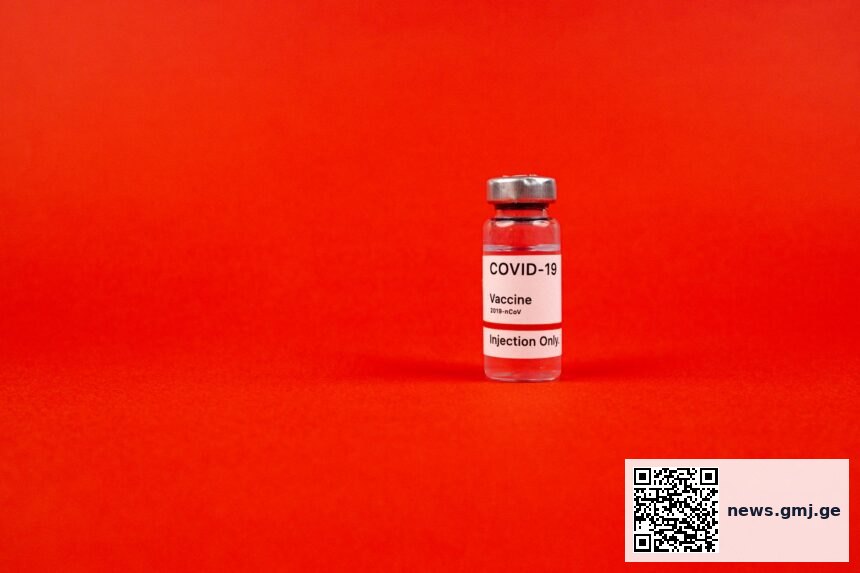
A peer-reviewed study on COVID-19 vaccine effectiveness that was rejected by a U.S. government health journal has now been published in an alternative venue, according to Medical Xpress reporting on the publication. The research addresses questions about vaccine performance that have remained unanswered in the mainstream scientific literature, though details of the study’s specific findings and methodology remain under editorial review.

Key takeaways

  • A COVID-19 vaccine effectiveness study was rejected by a CDC-affiliated government journal but subsequently published elsewhere
  • The publication follows ongoing debates about scientific transparency and peer review processes in vaccine research
  • Access to the full study text is now available through the alternative publication venue

Journal Rejection and Alternative Publication

The study encountered editorial barriers at a government health journal before finding publication elsewhere, according to Medical Xpress. The reasons for the original rejection have not been publicly detailed by the journal’s editorial team. The research now appears in a peer-reviewed publication, making the findings accessible to the scientific community and public health researchers.

This development reflects broader tensions in vaccine research publishing, where editorial decisions at major journals can significantly influence which findings reach clinical practice and public discourse. The timing and content of vaccine safety and efficacy research has been a frequent point of contention throughout the pandemic response.

Submit Your Paper
GMJ_Submit_Banner

COVID-19 Vaccine Research Trajectory, 2020–2026

Timeline of major vaccine approval, deployment, and scientific publication milestones

2020
First vaccines authorised
2021
Mass vaccination campaigns begin
2026
Alternative publication of rejected study

Source: Timeline compiled from public health records | Georgian Medical Journal News

🎙️ Related Podcast Episodes
🎧 #36 | GMJ Podcast | Artificial Intelligence and Doctor–Patient Communication — Evidence from Georgian Clinics · 18m
🎧 #13 | Six Years After COVID-19: Is the World Better Prepared for the Next Pandemic? · 19m
🎧 #46 | GMJ Podcast | Angioplasty of Saphenous Vein Grafts — Risks, Outcomes, and Clinical Strategies · 21m
🎧 #30 | GMJ Podcast | Global Health: Why Health Systems Matter · 15m
🎧 #29 | GMJ Podcast | GMJ Research: From Manuscript to Publication – How Medical Evidence Becomes Scientific Knowledge · 15m

Questions About Vaccine Effectiveness Data

The published study addresses scientific questions about COVID-19 vaccine performance under real-world conditions, though the specific research questions, study design, and findings require direct examination of the published manuscript. According to peer-reviewed literature on vaccine efficacy, understanding long-term and variant-specific protection remains an active area of investigation.

Access to multiple data sources and independent analyses strengthens the scientific evidence base for vaccine policy decisions. The World Health Organization emphasizes the importance of rigorous post-market surveillance for all vaccines, including COVID-19 formulations.

Implications for Scientific Publishing and Public Trust

The rejection and subsequent publication of this study raises questions about editorial independence and the role of government-affiliated journals in shaping the scientific record. Editorial decisions at major journals inevitably influence which findings reach clinical and policy audiences, making transparency about acceptance criteria essential for maintaining public confidence in vaccine safety monitoring.

Concerns about publication bias—where findings that challenge prevailing narratives face editorial barriers—have been raised by researchers across multiple disciplines. A thorough review of clinical evidence requires access to both confirmatory and critical analyses. The quality and integrity of peer review processes remains fundamental to evidence-based medicine.

The publication of previously rejected COVID-19 vaccine research in an alternative peer-reviewed venue demonstrates the importance of scientific pluralism in resolving questions about vaccine effectiveness and safety.

— Finding based on Medical Xpress reporting (2026)

What this means

For patients: Access to multiple published analyses of vaccine effectiveness supports informed decision-making about vaccination and booster doses in consultation with healthcare providers.
For clinicians: Awareness of published vaccine effectiveness data from multiple sources enables evidence-based counselling about real-world vaccine performance and optimal immunisation timing.
For policymakers: Comprehensive access to vaccine effectiveness research—including studies that challenge initial assumptions—is essential for transparent vaccine policy and maintaining public health confidence.

Frequently asked questions

Why was the study originally rejected?

The specific reasons for rejection by the government health journal have not been publicly disclosed. Journal editorial decisions are typically made on grounds of methodological rigor, novelty, scope alignment, or data interpretation concerns, though transparency about rejection rationale is inconsistently practiced across publications.

Does publication in an alternative journal affect the study’s scientific validity?

If the alternative journal maintains equivalent peer review standards and editorial oversight as the original journal, publication does not inherently compromise scientific validity. What matters is transparent disclosure of the study’s methodology, funding sources, and any limitations acknowledged by the authors.

Should vaccine recipients be concerned about this study?

Vaccines continue to undergo rigorous post-market surveillance by regulatory agencies including the CDC. Individual research findings should be evaluated in the context of the totality of evidence from multiple independent studies. Healthcare providers remain the appropriate resource for personalised vaccine guidance.

The publication of this COVID-19 vaccine effectiveness study represents a significant moment for scientific transparency, particularly as the pandemic transitions from acute emergency response to endemic disease management. Whether the study’s findings align with or challenge prevailing evidence about vaccine performance, access to the complete published research ensures that policymakers, clinicians, and the public can form evidence-based judgements about vaccination strategies going forward. Continued investment in independent vaccine effectiveness monitoring—conducted transparently and published without editorial barriers—remains essential for sustaining public confidence in immunisation programmes.

Source: COVID-19 vaccine study that was blocked from CDC journal is published elsewhere

Was this article helpful?

Disclaimer. This article is health journalism intended for general information and education. It is not medical advice and is not a substitute for professional diagnosis or treatment. Always consult a qualified healthcare provider about your individual circumstances. Full disclaimer →

Related Coverage

WHO calls for urgent expansion of newborn screening to prevent 8 million annual birth defectsAug 8, 2026
Hypertension in Bangladesh: wealth gap widens treatment divide, survey findsAug 8, 2026
The Sandwich Generation: When Adult Children Become Caregivers for Aging ParentsAug 8, 2026
Medicare's AI Prior Authorization System Creates Patient Care Delays, Doctors ReportAug 8, 2026
Explore more on this topic:🧭 COVID-19 hub🧭 Vaccines hub
🔥 Most read this week
1Creatine Kidney Damage Myth Debunked by Major Safety Review of 26,000 Participants
2Why High-Dose Vitamin B12 Supplements Work Despite Poor Absorption
3Magnesium Form May Not Matter for Cognitive Benefits, New Meta-Analysis Suggests
4Magnesium Supplements: Marketing Claims vs Scientific Evidence
PG
Editorial oversight
Prof. Giorgi Pkhakadze, MD, MPH, PhD
Editor-in-Chief, GMJ News
Full profile →  ·  ORCID 0000-0001-7609-4515
Medical disclaimer. This article is health journalism intended for general information. It is not medical advice and is not a substitute for consultation with a qualified healthcare professional. Always seek your physician's advice regarding any medical condition.
Editorial standards. This article was produced under the GMJ News editorial process, with oversight by the GMJ Editorial Board. Our editorial process. Spotted an error? Contact the editorial team.

Get the GMJ News digest
Evidence-based health journalism in your inbox. No spam; unsubscribe anytime.
📬 GMJ Health Digest
Evidence-based medical news, once a week. Free, no spam, unsubscribe anytime.
TAGGED:COVID-19peer reviewscientific publishingvaccine effectivenessvaccines
Share This Article
Facebook LinkedIn Bluesky Copy Link Print
GMJ
ByGMJ Practice Desk
Follow:
GMJ Practice Desk is part of GMJ News, the newsroom of the Georgian Medical Journal (gmj.ge), published by the Public Health Institute of Georgia. Every article is editorially reviewed before publication.
Leave a Comment Leave a Comment

Leave a Reply Cancel reply

Your email address will not be published. Required fields are marked *

Submit Your Paper →

Georgia's peer-reviewed open-access medical journal. No APC until January 2027.
Submit Manuscript →
Tea Type Dramatically Alters Kombucha’s Chemistry and Antioxidant Power, Study Finds

Scientists have discovered that kombucha's antioxidant activity, flavor, and chemical composition vary…

WHO calls for urgent expansion of newborn screening to prevent 8 million annual birth defects

The World Health Organization has released a major report calling on countries…

Hypertension in Bangladesh: wealth gap widens treatment divide, survey finds

A nationally representative survey of 14,178 Bangladeshi adults reveals that wealthier populations…

Submit Your Paper to GMJ

No APC until January 2027.
Submit Manuscript →

You Might Also Like

Horizontal bar chart showing glycogen sparing effect across 48 individual study comparisons, with 46 studies lacking individual significance despite 9% pooled reductionIllustrative image · Photo by Omar Magdy Tri on Pexels (Pexels License)
Clinical UpdatesNew StudiesPracticeResearch Digest

Carbohydrate Ingestion During Endurance Exercise: Meta-Analysis Shows Modest Glycogen Sparing Effect

By
GMJ Practice Desk
27/07/2026
Tanzania National Oral Health Strategic Plan priorities diagram showing six key implementation areas
Health Policy

Tanzania Launches New Oral Health Strategy to Close Care Gaps and Boost Workforce

By
GMJ Policy Desk
21/05/2026
Chart comparing mitochondrial response across training intensities from low-intensity steady-state to high-intensity interval trainingIllustrative image · Photo by Ivan S on Pexels (Pexels License)
Clinical UpdatesNew StudiesPracticeResearch Digest

Exercise intensity, not volume alone, drives mitochondrial remodeling—meta-analysis of 425 studies reveals cellular architecture matters more than training time

By
GMJ Practice Desk
01/08/2026
Pancreatic cancer survival rates data visualization showing treatment outcomes by stage
Clinical UpdatesPractice

Revolution Medicines Ships Experimental Pancreatic Cancer Drug Under Early Access

By
GMJ Practice Desk
09/06/2026
Facebook Twitter Youtube Instagram
Company
  • Privacy Policy
  • Contact US
  • GMJ Journal
  • Submit Manuscript
  • Editorial Team
  • Register at GMJ
  • Terms of Use

Subscribe to GMJ News — Click here

Join Community
© 2026 Georgian Medical Journal (GMJ). Published by the Public Health Institute of Georgia (PHIG). All rights reserved.
Welcome Back!

Sign in to your account

Username or Email Address
Password

Lost your password?

Not a member? Sign Up