By using this site, you agree to the Privacy Policy and Terms of Use.
Accept
GMJ NewsGMJ NewsGMJ News
  • Latest News
    • GMJ Briefs
  • Podcast & Media
    • Podcast Episodes
    • GMJ Audio
    • GMJ Videos
  • Research Digest
    • New Studies
    • Georgian Research
    • Data & Numbers
  • Policy & Systems
    • Health Policy
    • Quality & Safety
    • Migration & Health
    • Global Health
  • Practice
    • Clinical Updates
    • Case Discussions
    • Pharmacy & Prescribing
    • Ingredients A-Z
  • Perspectives
    • Editorial
    • Explainers
    • Voices
    • Letters
  • GMJ Articles
    • Vol. 1 Issue 2 (2026)
    • Vol. 1 Issue 1 (2026)
    • Pre-Launch Articles (2025)
  • Read the Journal →
  • About GMJ News
Notification Show More
Font ResizerAa
GMJ NewsGMJ News
Font ResizerAa
  • Latest News
    • GMJ Briefs
  • Podcast & Media
    • Podcast Episodes
    • GMJ Audio
    • GMJ Videos
  • Research Digest
    • New Studies
    • Georgian Research
    • Data & Numbers
  • Policy & Systems
    • Health Policy
    • Quality & Safety
    • Migration & Health
    • Global Health
  • Practice
    • Clinical Updates
    • Case Discussions
    • Pharmacy & Prescribing
    • Ingredients A-Z
  • Perspectives
    • Editorial
    • Explainers
    • Voices
    • Letters
  • GMJ Articles
    • Vol. 1 Issue 2 (2026)
    • Vol. 1 Issue 1 (2026)
    • Pre-Launch Articles (2025)
  • Read the Journal →
  • About GMJ News
Follow US
GMJ News > Practice > Clinical Updates > How Your Body Switches Between Two Operating Systems: The Autonomic Nervous System Explained
Clinical UpdatesExplainersPerspectivesPractice

How Your Body Switches Between Two Operating Systems: The Autonomic Nervous System Explained

GMJ
Last updated: 12/07/2026 13:29
By
GMJ Practice Desk
Share
9 Min Read
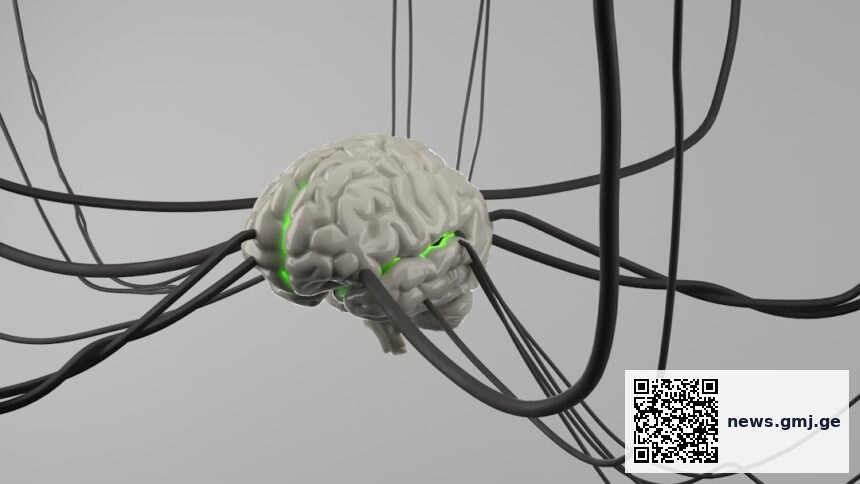
Diagram showing autonomic nervous system pathways: sympathetic fight-flight versus parasympathetic rest-digest across heart, lungs, digestive system, and pupilsIllustrative image · Photo by Bhautik Patel on Unsplash (Unsplash License)
Your body operates two competing nervous systems that constantly switch control. The sympathetic system activates fight-or-flight responses during stress, while the parasympathetic system manages rest and recovery. Understanding this dual mechanism explains why stress disrupts digestion and how targeted interventions like breathing and posture can shift autonomic balance. — Photo by Bhautik Patel on Unsplash (Unsplash License)
SHARE
6 min read|1,195 words
✓ Medically reviewed by Prof. Giorgi Pkhakadze, MD, MPH, PhD · ORCID 0000-0001-7609-4515

🟢 Strong Evidence

Contents
    • Key takeaways
  • Two Systems, One Body: The Autonomic Divide
      • Autonomic Nervous System: Opposing Actions on Key Organs
  • The Vagus Nerve: Central Hub of Autonomic Control
  • Stress Physiology: When Sympathetic Dominance Becomes Chronic
  • Evidence-Based Rebalancing: Shifting Autonomic Control
    • What this means
  • Frequently asked questions
    • Why does stress cause digestive problems?
    • How quickly can breathing exercises shift my autonomic state?
    • Can chronic stress permanently damage my autonomic nervous system?

Your body operates two distinct nervous systems that constantly compete for control, switching between them dozens of times per second. The sympathetic nervous system activates your “fight or flight” response during stress, redirecting blood from digestion to muscles and accelerating heart rate, while the parasympathetic nervous system manages “rest and digest” functions during calm states. Understanding this dual control mechanism explains why chronic stress disrupts digestion, why deep breathing reduces anxiety, and why the same physiological pathways produce vastly different outcomes depending on which system dominates.

Key takeaways

  • The autonomic nervous system comprises two opposing systems: sympathetic (fight/flight) and parasympathetic (rest/digest), constantly alternating control
  • The vagus nerve alone influences heart rate, lung function, digestion, liver activity, and pancreatic secretion—making it central to stress response
  • Stress physically redirects blood flow from the digestive system to muscles within seconds, explaining why anxiety impairs digestion
  • Evidence-based interventions like controlled breathing and postural changes can shift autonomic dominance from sympathetic to parasympathetic states

Two Systems, One Body: The Autonomic Divide

The autonomic nervous system, as described in the Thieme Publishing Color Atlas of Pathophysiology, operates as two functionally opposite but anatomically integrated networks. The sympathetic system, originating from thoracic and lumbar spinal segments, mobilizes the body for immediate action by increasing heart rate, dilating pupils, and inhibiting gastric secretions. The parasympathetic system, mediated primarily through the vagus nerve (cranial nerve X) and sacral spinal segments, does the opposite: it slows heart rate, constricts pupils, and stimulates digestion. Neither system is inherently “good” or “bad”—both are essential for survival, and their balance determines moment-to-moment physiological state.

Autonomic Nervous System: Opposing Actions on Key Organs

How sympathetic (fight/flight) and parasympathetic (rest/digest) systems compete for control across major body systems

Submit Your Paper
GMJ_Submit_Banner
Heart Rate
Sympathetic ↑ / Parasympathetic ↓
Digestion
Sympathetic ↓ / Parasympathetic ↑
Pupil Size
Sympathetic ↑ / Parasympathetic ↓
Blood to Muscles
Sympathetic ↑ / Parasympathetic ↓
Lung Airways
Sympathetic ↑ / Parasympathetic ↓

Source: Thieme Publishing, Color Atlas of Pathophysiology | Georgian Medical Journal News

The Vagus Nerve: Central Hub of Autonomic Control

At the core of this system lies the vagus nerve, described in Thieme’s atlas as the longest and most widely distributed cranial nerve. Single vagal pathways directly innervate the heart, lungs, stomach, liver, pancreas, and intestines—giving it outsized influence over physiological state. When the vagus nerve signals “safe,” the parasympathetic system dominates: gastric acid increases, intestinal motility rises, and the body allocates resources to growth and repair. When threat signals arrive, sympathetic activation reduces vagal tone, heart rate spikes, and digestive functions pause. This explains why individuals experiencing chronic stress often develop gastrointestinal disorders, and why clinical interventions targeting vagal tone—such as controlled breathing—can rapidly shift autonomic balance.

🎙️ Related Podcast Episodes
🎧 #50 | GMJ Podcast | Inclusive Health for Refugees and Migrants: WHO Reports Global Progress and Remaining Gaps · 17m
🎧 #42 | GMJ Podcast | IT Service Management in Healthcare — Governance, Procurement, and Service Delivery · 16m
🎧 #39 | GMJ Podcast | Acne and Metabolic Dysfunction — Insulin Resistance, IGF-1, and Clinical Implications · 15m
🎧 #38 | GMJ Podcast | Acne and Metabolic Dysfunction — Insulin Resistance, IGF-1, and Clinical Implications · 21m
🎧 #37 | GMJ Podcast | NAD⁺ Injections and “NAD Boosters” — Public Health Risks and Regulatory Implications · 20m

Stress physically redirects blood flow from the digestive system to skeletal muscles within seconds through sympathetic activation, a mechanism documented in the Color Atlas of Pathophysiology that explains the immediate gastrointestinal effects of acute anxiety.

— Thieme Publishing Medical Reference

Stress Physiology: When Sympathetic Dominance Becomes Chronic

Modern life frequently tilts autonomic balance toward sympathetic dominance. Chronic psychological stress, sleep deprivation, poor posture, and sedentary behavior all signal threat to the brain, keeping the sympathetic system activated. Over weeks and months, this sustained activation impairs parasympathetic function, reducing heart rate variability (a marker of vagal tone) and increasing baseline cortisol. The health policy implications are significant: populations experiencing high chronic stress show elevated rates of hypertension, ulcerative colitis, and coronary artery disease—all conditions in which sympathetic overdrive plays a documented pathophysiological role. The Thieme atlas illustrates how a single stressor can cascade through multiple organ systems: pupils dilate for better vision, airways dilate for more oxygen, heart rate increases for blood delivery to muscles, and stomach contractions halt to conserve metabolic resources.

Evidence-Based Rebalancing: Shifting Autonomic Control

Because sympathetic and parasympathetic systems operate through identifiable neural pathways, targeted interventions can deliberately shift autonomic balance. Diaphragmatic breathing, which lengthens the exhale phase, directly activates parasympathetic neurons in the brainstem through afferent vagal signaling. Progressive muscle relaxation, yoga, and cold-water immersion all engage parasympathetic pathways documented in recent clinical research. Postural corrections—shoulders back, spine extended—reduce sympathetic tone by removing compression on vagal pathways. Sleep consolidation, regular exercise, and social connection all support parasympathetic dominance. For clinicians, this framework transforms stress management from vague advice into mechanistic understanding: patients are not simply “relaxing,” they are actively engaging neural pathways that inhibit the threat-response system and activate recovery physiology. See the SheniEkimi patient guide on stress and nervous system health for practical applications.

What this means

For patients: Understanding that stress directly shuts down digestion, raises heart rate, and dilates pupils through identifiable neural pathways validates your physical symptoms and opens practical pathways to recovery—controlled breathing, posture, sleep, and social connection are not placebos but direct activators of your parasympathetic system.
For clinicians: Autonomic nervous system balance is a measurable physiological state with documented interventions. Patients with stress-related GI disorders, arrhythmias, or anxiety benefit from explicit education about sympathetic/parasympathetic mechanics, paired with vagal-tone exercises (breathing, cold exposure, vocalization) that shift autonomic dominance measurably within minutes to hours.
For policymakers: Chronic sympathetic dominance drives multiple disease categories (hypertension, ulcerative colitis, coronary disease, anxiety disorders). Public health interventions promoting sleep, physical activity, workplace stress reduction, and access to breath-work and yoga programs represent evidence-based prevention targeting the nervous system mechanisms underlying non-communicable disease.

Frequently asked questions

Why does stress cause digestive problems?

The sympathetic nervous system, when activated by perceived threat, directly inhibits parasympathetic tone. The vagus nerve, which controls stomach acid secretion and intestinal motility, receives reduced signal strength during stress. Blood flow is redirected from the gut to muscles. These changes halt digestion within seconds—a survival advantage in acute danger but harmful when chronic stress sustains sympathetic dominance day after day, as documented in the Color Atlas of Pathophysiology.

How quickly can breathing exercises shift my autonomic state?

Diaphragmatic breathing, especially with a prolonged exhale (exhale longer than inhale), directly stimulates parasympathetic neurons through vagal afferent signaling. Most individuals experience measurable shifts in heart rate, skin temperature, and subjective calm within 2–5 minutes. This is not relaxation psychology—it is direct nervous system physiology, as illustrated in autonomic pathways in medical references.

Can chronic stress permanently damage my autonomic nervous system?

Chronic stress reduces vagal tone and shifts autonomic setpoint toward sympathetic dominance over weeks to months, but the changes are largely reversible. Sleep recovery, sustained exercise, stress reduction, and social connection gradually restore parasympathetic function. However, extended periods of untreated chronic stress increase risk for stress-related diseases (hypertension, GI disorders, cardiac arrhythmia), making early intervention important.

The autonomic nervous system framework offers both explanation and agency: every stress response you experience is the result of measurable neural pathways activating in real time. By understanding how sympathetic and parasympathetic systems compete for control through the vagus nerve and other routes, individuals and clinicians gain concrete tools to shift physiology. This knowledge bridges the gap between mind and body, transforming vague stress advice into neuroscience-grounded intervention. As workplaces, schools, and healthcare systems increasingly recognize the role of autonomic imbalance in chronic disease, integrating vagal-tone assessment and parasympathetic activation strategies into routine clinical practice may represent a high-yield prevention opportunity.

Source: Thieme Publishing, Color Atlas of Pathophysiology

Was this article helpful?

Disclaimer. This article is health journalism intended for general information and education. It is not medical advice and is not a substitute for professional diagnosis or treatment. Always consult a qualified healthcare provider about your individual circumstances. Full disclaimer →

Related Coverage

How Diet Shapes Your Gut Microbiome—and Why It Matters for HealthJul 25, 2026
Vitamin K's Hidden Hierarchy: Why Your Body Prioritises Blood Clotting Over Bone HealthJul 25, 2026
Organs Age Independently: Stanford Study Shows Brain and Immune System Drive Lifespan RiskJul 25, 2026
Half of Commercial Fish Oil Supplements Exceed Oxidation Safety Limits—But Human Risk Remains UnclearJul 25, 2026
Related reference
  • Coronary Artery Disease · Condition
  • Hypertension · Condition
  • SAMe · Ingredient
PG
Written by
Prof. Giorgi Pkhakadze, MD, MPH, PhD
Editor-in-Chief, GMJ News
Full profile →  ·  ORCID 0000-0001-7609-4515
Medical disclaimer. This article is health journalism intended for general information. It is not medical advice and is not a substitute for consultation with a qualified healthcare professional. Always seek your physician's advice regarding any medical condition.
Medically reviewed by Prof. Giorgi Pkhakadze, MD, MPH, PhD. Spotted an error? Contact the editorial team.

Get the GMJ News digest
Evidence-based health journalism in your inbox. No spam; unsubscribe anytime.
TAGGED:autonomic nervous systemchronic stressnervous system healthparasympathetic nervous systemstress physiologysympathetic nervous systemvagus nerve
Share This Article
Facebook LinkedIn Bluesky Copy Link Print
GMJ
ByGMJ Practice Desk
Follow:
GMJ Practice Desk is part of GMJ News, the newsroom of the Georgian Medical Journal (gmj.ge), published by the Public Health Institute of Georgia. Every article is editorially reviewed before publication.
Leave a Comment Leave a Comment

Leave a Reply Cancel reply

Your email address will not be published. Required fields are marked *

Submit Your Paper →

Georgia's peer-reviewed open-access medical journal. No APC until January 2027.
Submit Manuscript →
How Diet Shapes Your Gut Microbiome—and Why It Matters for Health

Food functions as a biological intervention that reshapes your gut microbiome, directly…

Vitamin K’s Hidden Hierarchy: Why Your Body Prioritises Blood Clotting Over Bone Health

Current vitamin K dietary guidelines prioritise blood clotting at the expense of…

Organs Age Independently: Stanford Study Shows Brain and Immune System Drive Lifespan Risk

Stanford researchers measured plasma proteins in 44,498 people and built separate aging…

Submit Your Paper to GMJ

No APC until January 2027.
Submit Manuscript →

You Might Also Like

Medical professionals being honored in memorial serviceIllustrative image · Photo by www.kaboompics.com on Pexels (Pexels License)
PerspectivesVoices

Medical Community Mourns Leaders Lost in June 2026

By
GMJ Perspectives Desk
18/06/2026
Diagram showing folate cycle blocked by B12 deficiency, with 5-methylTHF accumulationIllustrative image · Photo by Beelith USA on Pexels (Pexels License)
Clinical UpdatesNew StudiesPracticeResearch Digest

The B12-Folate Trap: How Vitamin Deficiency Blocks DNA Synthesis Despite Adequate Folate Intake

By
GMJ Practice Desk
18/07/2026
Medical illustration showing blood filtration equipment used in immunoadsorption therapy trialIllustrative image · Photo by Miguel Á. Padriñán on Pexels (Pexels License)
Clinical UpdatesNew StudiesPracticeResearch Digest

Immunoadsorption Shows No Benefit for Long COVID in Randomised Trial

By
GMJ Practice Desk
30/06/2026
Medical professionals in hospital setting discussing work-life balance and family responsibilitiesPhoto by Patty Brito on Unsplash (Unsplash License)
Clinical UpdatesPractice

Dual Doctor Couples Face Amplified Childcare Crisis in Medical Training

By
GMJ Practice Desk
12/06/2026
Facebook Twitter Youtube Instagram
Company
  • Privacy Policy
  • Contact US
  • GMJ Journal
  • Submit Manuscript
  • Editorial Team
  • Register at GMJ
  • Terms of Use

Subscribe to GMJ News — Click here

Join Community
© 2026 Georgian Medical Journal (GMJ). Published by the Public Health Institute of Georgia (PHIG). All rights reserved.
Welcome Back!

Sign in to your account

Username or Email Address
Password

Lost your password?

Not a member? Sign Up