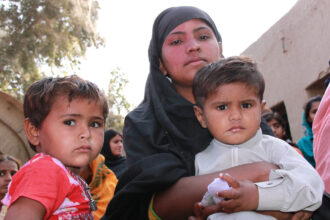
The Committee on the Rights of the Child and UNICEF have issued a joint statement warning that migrant children in South Africa face significant barriers to healthcare, education, and legal protection. The statement, released by two UN bodies mandated to safeguard child welfare, highlights systemic gaps in access to essential services that compound the vulnerability of children already displaced from their home countries.
Key takeaways
- Migrant children in South Africa lack adequate access to healthcare services, including vaccination and preventive care
- Legal and administrative barriers prevent many migrant children from registering births or obtaining identity documents
- Both the UN Committee on the Rights of the Child and UNICEF call for urgent integration of migrant children into national health and education systems
- Without immediate reform, health inequities will deepen and protection risks will escalate for this vulnerable population
Healthcare access remains fragmented
According to the joint statement from the Committee on the Rights of the Child and UNICEF, migrant children in South Africa encounter multiple barriers when seeking healthcare. These include language obstacles, lack of awareness of available services, and discrimination by some healthcare workers. The statement emphasizes that without explicit inclusion policies, migrant children remain invisible in national health statistics and epidemiological surveillance systems.
The absence of formal documentation compounds these barriers. Many migrant children cannot access routine immunizations, maternal health services (for adolescent girls), or treatment for communicable diseases because healthcare facilities require proof of residency or citizenship. This creates public health risks extending beyond the migrant community itself, as vaccine coverage gaps can undermine herd immunity thresholds in local populations.
Health and protection barriers facing migrant children in South Africa
Key service access gaps identified by the UN Committee on the Rights of the Child and UNICEF

Source: UN Committee on the Rights of the Child & UNICEF Joint Statement | Georgian Medical Journal News
Birth registration and documentation barriers
The joint UN statement identifies birth registration as a foundational protection mechanism that remains inaccessible to most migrant children in South Africa. Without a birth certificate or identity document, children cannot legally enroll in school, access healthcare, or claim asylum protections. This creates a hidden population vulnerable to trafficking, exploitation, and forced labor.
The absence of official documentation also prevents migrant children from being counted in national health surveys and census data. This statistical invisibility perpetuates policy neglect: governments cannot allocate resources for services they do not officially recognize as needed. The Committee on the Rights of the Child and UNICEF emphasize that birth registration is both a legal right under the UN Convention on the Rights of the Child and a practical prerequisite for accessing basic healthcare and protection.
Policy reform and systemic integration needed
Both the Committee on the Rights of the Child and UNICEF call for urgent legislative and administrative reforms to integrate migrant children into South Africa’s national health and education systems. Specific recommendations include: removing residency or citizenship requirements from healthcare facility access policies, establishing mobile vaccination programs targeting migrant settlements, training healthcare workers on non-discriminatory service provision, and streamlining birth registration procedures for children born to migrant parents.
The statement underscores that South Africa’s public health infrastructure has the capacity to include migrant children—what is lacking are explicit policy mandates and resource allocation. Integrating migrant children into routine health surveillance systems would also strengthen disease monitoring and outbreak response, benefiting both migrant and host populations. The UN bodies stress that this is not a humanitarian add-on but a core public health and child protection imperative aligned with South Africa’s constitutional obligations and international treaty commitments, including the Convention on the Rights of the Child.
Migrant children in South Africa remain largely excluded from healthcare, education, and legal protection services due to systemic barriers including lack of documentation, language obstacles, and discriminatory policies—vulnerabilities that undermine both child health outcomes and broader public health security.
— UN Committee on the Rights of the Child and UNICEF Joint Statement
What this means
Frequently asked questions
Why does lack of birth registration matter for health?
Birth registration creates legal identity and enables access to healthcare, education, and social protection. Without it, children are invisible to government services, cannot receive vaccinations, and have no official recourse if they experience abuse or trafficking. The UN Convention on the Rights of the Child recognizes birth registration as foundational to child protection.
How do migrant children’s health gaps affect the broader population?
When any segment of a population lacks vaccination coverage or infectious disease screening, it weakens herd immunity and increases outbreak risk for entire communities. Migrant children with untreated communicable diseases can transmit illness to classmates, neighbors, and healthcare workers. Inclusive health policies protect everyone.
What can healthcare facilities do right now to serve migrant children better?
Facilities can remove or waive documentation requirements for emergency and routine care, hire or train interpreters, establish partnerships with community-based organizations serving migrants, and ensure staff receive cultural competency training. These steps cost less than treating preventable complications later.
The joint statement from the UN Committee on the Rights of the Child and UNICEF represents an urgent call for systemic change. South Africa’s experience exemplifies challenges facing migrant children globally: the gap between stated rights and practical access is widest precisely where resources and institutional capacity are most needed. Closing this gap requires political will, legislative reform, and sustained health system investment—but the evidence is clear that the cost of exclusion far exceeds the cost of inclusion.
Was this article helpful?
Disclaimer. This article is health journalism intended for general information and education. It is not medical advice and is not a substitute for professional diagnosis or treatment. Always consult a qualified healthcare provider about your individual circumstances. Full disclaimer →
Related Coverage




Editorial standards. This article was produced under the GMJ News editorial process, with oversight by the GMJ Editorial Board. Our editorial process. Spotted an error? Contact the editorial team.