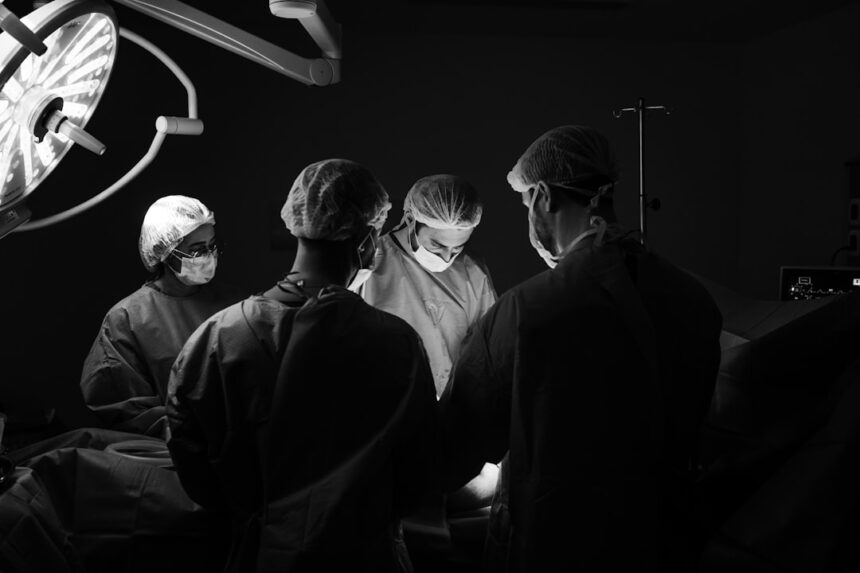
Harold Ellis, one of Britain’s most influential surgeons and medical educators, died on March 25, 2026, in London at the age of 100 years. Born on January 13, 1926, in east London, Ellis transformed surgical education through his exceptional teaching of clinical anatomy and prolific medical writing, according to The Lancet obituary published this week.
Key takeaways
- Harold Ellis dedicated over seven decades to surgical practice and medical education
- He authored numerous influential textbooks that shaped generations of medical students
- His approach to clinical anatomy teaching became a gold standard in medical schools worldwide
A Century of Medical Education Impact
Key milestones in Harold Ellis’s career, 1926-2026
Source: The Lancet, 2026 | Georgian Medical Journal News
A Legacy in Surgical Education
Ellis distinguished himself as an exceptional educator who revolutionized the teaching of clinical anatomy. His pedagogical approach bridged the gap between theoretical anatomical knowledge and practical surgical application, making complex anatomical concepts accessible to medical students worldwide.

Throughout his career, Ellis demonstrated an unwavering commitment to medical education excellence. His teaching methods emphasized the clinical relevance of anatomical structures, helping students understand how anatomical knowledge directly applied to patient care and surgical procedures.
Contributions to Medical Literature
Beyond his teaching prowess, Ellis made significant contributions to medical literature through his extensive writing. His textbooks became essential resources for medical students and practicing clinicians, with many editions spanning decades of continuous updates and refinements.
The impact of his written work extended far beyond individual institutions, influencing medical education curricula across multiple countries. His ability to communicate complex medical concepts in clear, accessible language set new standards for medical textbook writing, according to colleagues cited in The Lancet.
A Centennial Perspective on Medicine
Having lived through an entire century, Ellis witnessed unprecedented advances in medical science and surgical techniques. From the pre-antibiotic era through the development of minimally invasive surgery and modern imaging technologies, his career spanned transformative periods in medical history.
His longevity provided unique insights into the evolution of medical education and surgical practice. Ellis adapted his teaching methods to incorporate new technologies while maintaining focus on fundamental anatomical principles that remain constant despite technological advances.
Harold Ellis transformed surgical education through his exceptional teaching of clinical anatomy and became one of Britain’s most influential medical educators over seven decades of practice.
— The Lancet Obituary (2026)
What this means
Frequently asked questions
What made Harold Ellis’s teaching approach distinctive?
Ellis revolutionized clinical anatomy education by emphasizing the practical surgical applications of anatomical knowledge. His method helped students understand how anatomical structures directly related to patient care and surgical procedures.
How long was Harold Ellis active in medical education?
According to The Lancet, Ellis dedicated over seven decades to surgical practice and medical education, spanning from the 1940s through the 2020s.
What was Ellis’s impact on medical literature?
Ellis authored numerous influential medical textbooks that became essential resources for medical students and clinicians worldwide. His clear writing style set new standards for medical educational materials.
Harold Ellis’s century-long life encompassed remarkable changes in medical science, yet his fundamental commitment to excellence in medical education remained constant. His influence on surgical training and anatomical education will continue through the countless medical professionals he taught and inspired. The principles he championed—rigorous anatomical knowledge combined with practical clinical application—remain as relevant today as they were throughout his distinguished career.
Source: [Obituary] Harold Ellis
Was this article helpful?
Disclaimer. This article is health journalism intended for general information and education. It is not medical advice and is not a substitute for professional diagnosis or treatment. Always consult a qualified healthcare provider about your individual circumstances. Full disclaimer →
Related Coverage




Medically reviewed by Prof. Giorgi Pkhakadze, MD, MPH, PhD. Spotted an error? Contact the editorial team.