🟡 Preliminary Evidence
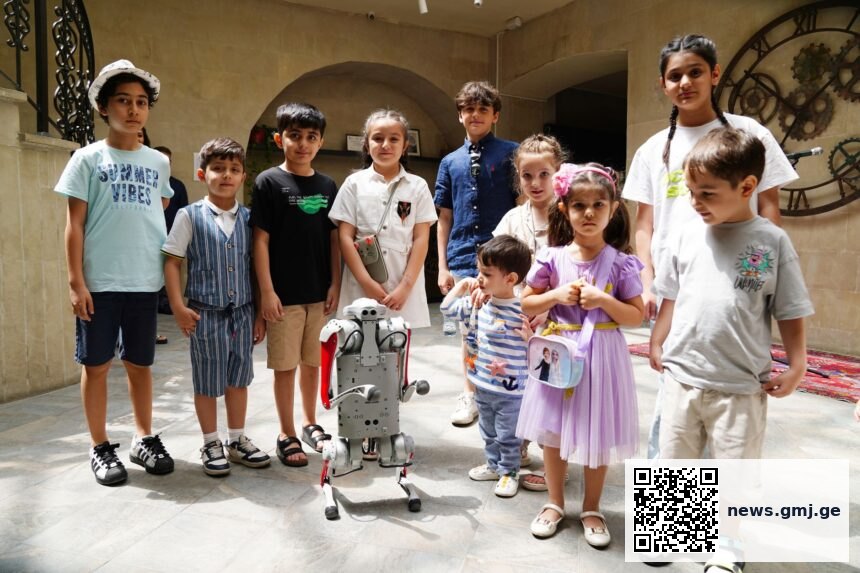
Children are adopting intelligence/" class="gmj-dict-autolink" title="Dictionary: Artificial Intelligence">artificial intelligence technologies at a rate more than three times faster than adults, according to UNICEF‘s latest analysis. This accelerated adoption pattern raises significant questions about digital equity, child safety, and the adequacy of existing regulatory frameworks designed when AI deployment was slower across younger populations.
Key takeaways
- Children adopt AI technologies at over 3× the rate of adults, according to UNICEF data
- Rapid adoption creates gaps in child protection, digital literacy, and health safeguards
- Healthcare systems and policymakers lack evidence-based guidelines for managing AI use in paediatric populations
- Early intervention through education and regulation may be critical to prevent harm
AI adoption velocity: children vs. adults
Comparative adoption speed across age groups, UNICEF analysis
Source: UNICEF, 2024 | Georgian Medical Journal News

Why children embrace AI faster than their parents
The speed of AI adoption among children reflects both technological exposure and developmental factors. UNICEF’s analysis suggests that younger populations have grown up in digital environments where algorithmic systems are normalized, creating fewer psychological or cultural barriers to engagement. Unlike adults who may approach new technologies with caution or skepticism, children often treat AI tools as intuitive extensions of existing digital habits—gaming platforms, social media, educational apps, and content recommendation systems.
This adoption velocity is driven by accessibility and design. Most AI applications, from voice assistants to generative image tools, are engineered to be user-friendly, requiring minimal technical knowledge. Schools in high-income settings are rapidly integrating AI-powered tutoring and assessment systems, while children in lower-income regions access AI through mobile applications and free-tier services. The result is exposure without parallel investment in digital literacy or safety infrastructure.
Health and development concerns emerging from rapid AI exposure
The accelerated adoption creates a significant evidence gap. UNICEF has highlighted that health systems, child protection agencies, and regulators lack robust data on how intensive AI interaction affects child development, mental health, sleep patterns, and social cognition. Early concerns include screen time accumulation, algorithmic manipulation of behaviour through engagement optimization, and potential impacts on attention span and reading comprehension.
Data privacy and consent represent another critical frontier. UNICEF notes that children often cannot meaningfully consent to data collection embedded in AI systems, yet their personal information is routinely harvested for training, personalization, and monetization. This asymmetry is particularly acute in low-income countries where regulation is weaker and data protection frameworks are nascent.
Regulatory frameworks lag behind adoption speeds
Global AI governance structures—including the EU’s AI Act and emerging national standards—have been designed with adult users and commercial applications in mind. Child-specific safeguards, such as mandatory age-appropriate design standards or restrictions on manipulative algorithms, remain underdeveloped. UNICEF has called for urgent alignment between the pace of deployment and the pace of protective policy.
Healthcare providers face practical uncertainty. Clinicians treating children have limited guidance on assessing AI-related harms, whether to counsel families on safe use thresholds, or how to identify developmental delays that might correlate with intensive AI engagement. School-based health services similarly lack standardized screening or intervention protocols.
Children adopt AI technologies more than three times faster than adults, creating a protection gap that existing regulation has not yet addressed.
— UNICEF
What comes next: research, regulation, and responsible design
UNICEF is calling for coordinated action across three domains: evidence generation through independent research on developmental outcomes; regulatory harmonization to establish child-protective AI standards; and industry accountability through design requirements that prioritize transparency and age-appropriate safeguards. Several countries are beginning pilot programmes to integrate digital literacy and AI literacy into school curricula, potentially creating a foundation for informed use.
The window for preventive intervention may be narrow. As AI systems become more embedded in education, healthcare, entertainment, and social platforms, the ability to retrofit protection measures becomes progressively harder. Policymakers, technologists, and health professionals must work together to establish baselines for safe exposure and to develop evidence-based guidance before the gap between adoption and protection widens further.
What this means
Frequently asked questions
Why are children adopting AI faster than adults?
According to UNICEF, children have grown up in digital environments and encounter fewer psychological barriers to new technologies. AI systems are also designed to be intuitive and accessible, requiring minimal technical knowledge. Educational institutions and platforms are rapidly integrating AI tools, normalizing their use during formative years.
What are the main health risks of rapid AI adoption in children?
UNICEF identifies concerns including data privacy violations, algorithmic manipulation of behaviour, screen time accumulation, potential impacts on attention and sleep, and inadequate informed consent. The evidence base on developmental harms is still emerging, but early warning signs are prompting calls for precautionary approaches.
What can parents and schools do now?
Families can establish healthy boundaries around AI-enabled devices, prioritize face-to-face interaction, and engage children in conversations about how algorithms work. Schools can integrate digital literacy and AI ethics into curricula. Healthcare providers can advise families based on existing screen time guidelines while new evidence develops on AI-specific impacts.
The rapid adoption of AI by children presents an unprecedented policy challenge. Without urgent investment in evidence, regulation, and protective design, the gap between technological deployment and child safeguarding will continue to widen. Healthcare systems, educational institutions, and governments must act now to ensure that innovation serves child development rather than outpacing it. Visit GMJ’s Explainers section for more on emerging health technologies and Global Health for policy developments affecting vulnerable populations.
Source: UNICEF press release: Children are adopting AI technologies more than three times faster than adults
Was this article helpful?
Disclaimer. This article is health journalism intended for general information and education. It is not medical advice and is not a substitute for professional diagnosis or treatment. Always consult a qualified healthcare provider about your individual circumstances. Full disclaimer →
Related Coverage




Editorial standards. This article was produced under the GMJ News editorial process, with oversight by the GMJ Editorial Board. Our editorial process. Spotted an error? Contact the editorial team.