By using this site, you agree to the Privacy Policy and Terms of Use.
Accept
GMJ NewsGMJ NewsGMJ News
  • Latest News
    • GMJ Briefs
  • Podcast & Media
    • Podcast Episodes
    • GMJ Audio
    • GMJ Videos
  • Research Digest
    • New Studies
    • Georgian Research
    • Data & Numbers
  • Policy & Systems
    • Health Policy
    • Quality & Safety
    • Migration & Health
    • Global Health
  • Practice
    • Clinical Updates
    • Case Discussions
    • Pharmacy & Prescribing
    • Ingredients A-Z
  • Perspectives
    • Editorial
    • Explainers
    • Voices
    • Letters
  • GMJ Articles
    • Vol. 1 Issue 2 (2026)
    • Vol. 1 Issue 1 (2026)
    • Pre-Launch Articles (2025)
  • Read the Journal →
  • About GMJ News
Notification Show More
Font ResizerAa
GMJ NewsGMJ News
Font ResizerAa
  • Latest News
    • GMJ Briefs
  • Podcast & Media
    • Podcast Episodes
    • GMJ Audio
    • GMJ Videos
  • Research Digest
    • New Studies
    • Georgian Research
    • Data & Numbers
  • Policy & Systems
    • Health Policy
    • Quality & Safety
    • Migration & Health
    • Global Health
  • Practice
    • Clinical Updates
    • Case Discussions
    • Pharmacy & Prescribing
    • Ingredients A-Z
  • Perspectives
    • Editorial
    • Explainers
    • Voices
    • Letters
  • GMJ Articles
    • Vol. 1 Issue 2 (2026)
    • Vol. 1 Issue 1 (2026)
    • Pre-Launch Articles (2025)
  • Read the Journal →
  • About GMJ News
Follow US
GMJ News > Practice > Clinical Updates > How Polycystic Ovary Syndrome Shaped a Food Broadcaster’s Career Path
Clinical UpdatesExplainersPerspectivesPractice

How Polycystic Ovary Syndrome Shaped a Food Broadcaster’s Career Path

GMJ
Last updated: 12/07/2026 13:29
By
GMJ Practice Desk
Share
7 Min Read
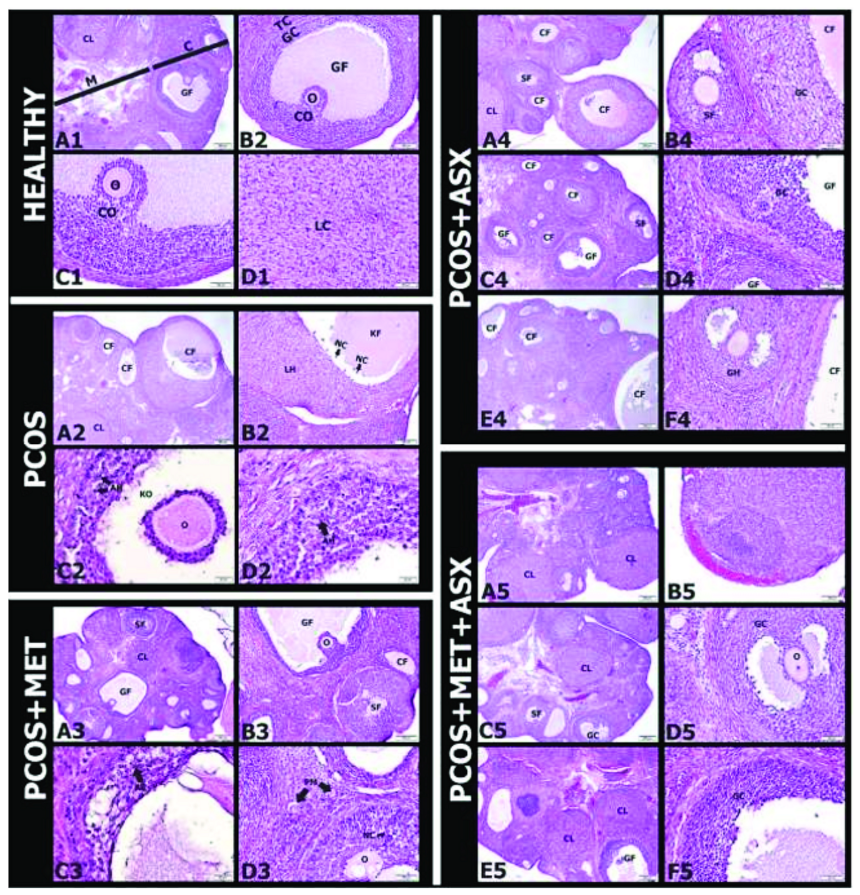
Infographic showing PCOS prevalence and mental health comorbidity statistics across reproductive-age womenIllustrative image · Histopathological findings of effects of astaxhantin on polycystic ovary syndrome in rats.png by Xiaokui Yang, Qingxin Wang, Zhiying Gao, Zhi Zhou, Sha Peng, Wen-Lin Chang, Hongmei WangHai-Yan Lin, Weiyuan Zhang, / CC BY 3.0 via Wikimedia Commons (CC BY 3.0)
Television presenter Briony May Williams used stress-baking as a coping mechanism after her polycystic ovary syndrome diagnosis, illustrating how adaptive responses to chronic illness can reshape life trajectories while underscoring the importance of integrated medical and psychological care. — Histopathological findings of effects of astaxhantin on polycystic ovary syndrome in rats.png by Xiaokui Yang, Qingxin Wang, Zhiying Gao, Zhi Zhou, Sha Peng, Wen-Lin Chang, Hongmei WangHai-Yan Lin, Weiyuan Zhang, / CC BY 3.0 via Wikimedia Commons (CC BY 3.0)
SHARE
5 min read|905 words
✓ Medically reviewed by Prof. Giorgi Pkhakadze, MD, MPH, PhD · ORCID 0000-0001-7609-4515

Briony May Williams, now a successful television presenter and food broadcaster, credits her diagnosis with polycystic ovary syndrome (PCOS) as an unexpected catalyst for her career trajectory. According to BBC News, Williams began stress-baking as a coping mechanism when her PCOS symptoms became difficult to manage, a creative response that ultimately led to her public profile and television success.

Contents
    • Key takeaways
  • Understanding PCOS and its psychological impact
      • PCOS Prevalence and Psychological Burden in Women
  • Coping mechanisms and creative outlets in chronic disease
  • PCOS diagnosis remains clinically significant
    • What this means
  • Frequently asked questions
    • What is polycystic ovary syndrome and why does it affect mental health?
    • Can stress-baking or creative activities replace medical treatment for PCOS?
    • How common are mental health issues in people with PCOS?

Key takeaways

  • PCOS diagnosis prompted stress-baking as a psychologically adaptive response to managing chronic symptoms
  • Creative outlets may serve as important coping mechanisms for individuals managing endocrine conditions
  • Career and life outcomes can emerge from adaptive responses to chronic illness, though diagnosis remains medically significant

Understanding PCOS and its psychological impact

Polycystic ovary syndrome affects approximately 1 in 10 women of reproductive age, according to research cited in reproductive health literature. Beyond its well-documented endocrine features—irregular menstrual cycles, elevated androgens, and ovulatory dysfunction—PCOS frequently carries significant psychological burden. The condition is strongly associated with anxiety, depression, and diminished quality of life, making the search for adaptive coping strategies particularly important for affected individuals.

Williams’s experience of turning to baking reflects what clinicians recognize as a constructive response mechanism. Creative activities have been documented in the medical literature as potentially beneficial for psychological wellbeing in chronic disease management, though they do not replace medical treatment. Her situation illustrates the complex interplay between physical diagnosis and psychological adaptation—a dynamic that deserves greater recognition in clinical practice guidelines.

PCOS Prevalence and Psychological Burden in Women

Estimated proportion of reproductive-age women affected and associated mental health comorbidities, based on epidemiological data

Submit Your Paper
GMJ_Submit_Banner
PCOS prevalence
~10%
Depression comorbidity
~67%
Anxiety comorbidity

~71%

Source: Medical literature estimates, Rotterdam criteria and psychological comorbidity studies | Georgian Medical Journal News

Coping mechanisms and creative outlets in chronic disease

The therapeutic potential of creative activities in managing chronic illness has gained increased attention in health services research. Baking and cooking, in particular, offer multiple documented psychological benefits: they provide a sense of control, produce tangible outcomes, and create opportunities for social connection—all factors identified as protective in studies of chronic disease adaptation. For Williams, what began as stress-relief evolved into a marketable skill and public career, an outcome that, while exceptional, underscores how adaptive responses can sometimes transform daily life.

🎙️ Related Podcast Episodes
🎧 #39 | GMJ Podcast | Acne and Metabolic Dysfunction — Insulin Resistance, IGF-1, and Clinical Implications · 15m
🎧 #38 | GMJ Podcast | Acne and Metabolic Dysfunction — Insulin Resistance, IGF-1, and Clinical Implications · 21m

This pathway also raises important questions about resilience in chronic disease populations. Research in medical psychology journals suggests that individuals who develop active coping strategies—as opposed to avoidance or passive responses—report better psychological outcomes. However, experts caution that creative outlets, though valuable, remain complementary to evidence-based medical management and should never substitute for appropriate clinical care, hormonal therapy, or metabolic intervention.

PCOS diagnosis remains clinically significant

While Williams’s story exemplifies positive adaptation, it is important to note that PCOS remains a serious endocrine condition requiring ongoing medical attention. The American Society for Reproductive Medicine and international guidelines emphasise the importance of diagnosis, monitoring, and treatment to reduce risks of metabolic complications, infertility, and long-term health consequences. Stress management and psychological support are adjuncts to, not replacements for, evidence-based clinical management.

PCOS affects approximately 1 in 10 women of reproductive age and is frequently accompanied by anxiety and depression, making adaptive coping mechanisms and psychological support important components of comprehensive care.

— Based on epidemiological and psychological comorbidity literature in reproductive endocrinology

What this means

For patients: Creative and stress-reducing activities can be valuable complements to medical management, but should not replace clinical treatment, medication, or specialist consultation for PCOS.
For clinicians: Holistic PCOS management should include assessment of psychological wellbeing, discussion of adaptive coping strategies, and referral to mental health services when anxiety or depression is present. Recognition of patients’ creative strengths may improve engagement in overall care.
For policymakers: Integration of mental health support into endocrinology and gynaecology services, alongside reproductive and metabolic care, may improve outcomes for the estimated 200 million women globally with PCOS.

Frequently asked questions

What is polycystic ovary syndrome and why does it affect mental health?

PCOS is an endocrine disorder characterised by irregular menstruation, elevated androgens, and ovulatory dysfunction. The psychological impact stems from both the hormonal changes themselves and the chronic nature of symptoms, including irregular cycles, fertility concerns, and metabolic complications. Research consistently shows that PCOS patients experience higher rates of anxiety and depression compared to the general population, which is why integrated psychological support is increasingly recognised as standard care.

Can stress-baking or creative activities replace medical treatment for PCOS?

No. While creative outlets and stress management are valuable psychological supports, they cannot replace evidence-based medical management such as hormonal contraceptives, insulin-sensitising agents, or fertility treatments when indicated. A comprehensive approach combines clinical management with mental health support, lifestyle modifications, and adaptive coping strategies.

How common are mental health issues in people with PCOS?

According to epidemiological research, approximately 67% of PCOS patients experience depressive symptoms and around 71% experience anxiety, rates significantly higher than the general population. This underscores the importance of screening for and addressing mental health as a core component of PCOS care, not as an afterthought.

Williams’s journey reminds the medical community that chronic illness experiences are deeply personal, and that recognising the psychological dimensions of endocrine disorders—alongside their metabolic and reproductive implications—leads to more compassionate and effective care. As health systems evolve, integrated models that address the whole patient, including psychological resilience and social determinants, represent the evidence-based standard toward which clinical practice should continue to move.

Source: BBC News — How an ovary syndrome led to Bake Off star’s fame

Was this article helpful?

Disclaimer. This article is health journalism intended for general information and education. It is not medical advice and is not a substitute for professional diagnosis or treatment. Always consult a qualified healthcare provider about your individual circumstances. Full disclaimer →

Related Coverage

The B-Vitamin Methylation Triad: How B12, Folate, and B6 Work Together in Cardiovascular and Neurological HealthJul 31, 2026
Skin Biopsy PCR Test Accelerates Diagnosis of Tattoo-Associated Toxic Shock SyndromeJul 31, 2026
Emotion Regulation and Body Image: Psychological Distress Emerges as a Key Link in Lebanese AdultsJul 31, 2026
Gepants Show Promise for Vestibular Migraine, New Study FindsJul 30, 2026
Related reference
  • Polycystic Ovary Syndrome · Condition
  • Insulin · Drug
PG
Written by
Prof. Giorgi Pkhakadze, MD, MPH, PhD
Editor-in-Chief, GMJ News
Full profile →  ·  ORCID 0000-0001-7609-4515
Medical disclaimer. This article is health journalism intended for general information. It is not medical advice and is not a substitute for consultation with a qualified healthcare professional. Always seek your physician's advice regarding any medical condition.
Medically reviewed by Prof. Giorgi Pkhakadze, MD, MPH, PhD. Spotted an error? Contact the editorial team.

Get the GMJ News digest
Evidence-based health journalism in your inbox. No spam; unsubscribe anytime.
TAGGED:chronic illnessendocrinologyMental HealthPCOSpolycystic ovary syndrome
Share This Article
Facebook LinkedIn Bluesky Copy Link Print
GMJ
ByGMJ Practice Desk
Follow:
GMJ Practice Desk is part of GMJ News, the newsroom of the Georgian Medical Journal (gmj.ge), published by the Public Health Institute of Georgia. Every article is editorially reviewed before publication.
Leave a Comment Leave a Comment

Leave a Reply Cancel reply

Your email address will not be published. Required fields are marked *

Submit Your Paper →

Georgia's peer-reviewed open-access medical journal. No APC until January 2027.
Submit Manuscript →
The B-Vitamin Methylation Triad: How B12, Folate, and B6 Work Together in Cardiovascular and Neurological Health

B12, folate, and B6 form an integrated metabolic system supporting DNA synthesis,…

Forty-eight years of WHO essential medicines: core drugs unchanged since 1977

A 48-year analysis of WHO's Essential Medicines List reveals a stable "core…

Skin Biopsy PCR Test Accelerates Diagnosis of Tattoo-Associated Toxic Shock Syndrome

A new PCR-based diagnostic test on skin biopsies enables rapid confirmation of…

Submit Your Paper to GMJ

No APC until January 2027.
Submit Manuscript →

You Might Also Like

NHS mobile CT scanning truck parked in supermarket car park providing lung cancer screening
Clinical UpdatesPractice

Mobile NHS lung cancer screening detects 10,000 cases in supermarket car parks

By
GMJ Practice Desk
03/06/2026
Medical researcher analyzing genetic test results for breast cancer treatment decisions
Clinical UpdatesPractice

DNA Test Could Spare 6,600 Breast Cancer Patients From Unnecessary Chemotherapy

By
GMJ Practice Desk
09/06/2026
Healthcare workers providing mental health support after climate disaster
New StudiesResearch Digest

Mental health interventions show promise for extreme weather trauma recovery

By
GMJ Research Desk
29/05/2026
Healthcare workers and recovered Ebola patients at treatment facility in Democratic Republic of CongoIllustrative image · Mask pollution during covid-19 epidemic 2.jpg by Syced / CC0 via Wikimedia Commons (CC0)
Clinical UpdatesGlobal HealthPolicy & SystemsPractice

Ebola Recoveries Offer Clinical and Public Health Insights Amid DRC Outbreak

By
GMJ Practice Desk
11/07/2026
Facebook Twitter Youtube Instagram
Company
  • Privacy Policy
  • Contact US
  • GMJ Journal
  • Submit Manuscript
  • Editorial Team
  • Register at GMJ
  • Terms of Use

Subscribe to GMJ News — Click here

Join Community
© 2026 Georgian Medical Journal (GMJ). Published by the Public Health Institute of Georgia (PHIG). All rights reserved.
Welcome Back!

Sign in to your account

Username or Email Address
Password

Lost your password?

Not a member? Sign Up