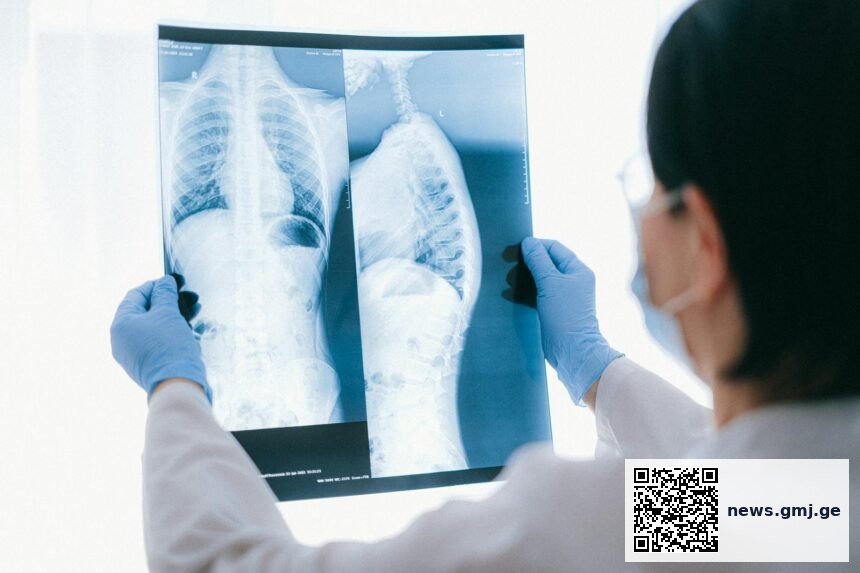
The NHS mobile lung cancer screening programme has successfully detected 10,000 cases through scanning trucks deployed in supermarket car parks across England. The initiative brings potentially life-saving CT scans directly to communities, reaching people who might otherwise miss routine screening appointments.
NHS mobile lung cancer screening programme reaches milestone
Cases detected through supermarket car park screening initiative, 2019-2024
detected
diagnoses
cancer annually in UK
Source: NHS England, 2024 | Georgian Medical Journal News
Mobile screening transforms lung cancer detection rates
The mobile screening programme represents a significant shift in how the NHS approaches early cancer detection. By positioning CT scanning trucks in familiar community locations like supermarket car parks, the programme has overcome traditional barriers to screening participation.

According to Cancer Research UK, lung cancer remains the leading cause of cancer death in the UK, with approximately 47,000 deaths annually. Early detection through screening programmes significantly improves survival rates, with five-year survival increasing from 16% to over 70% when caught in stage one.
Community-based approach increases screening uptake
The programme specifically targets high-risk individuals aged 55-74 who have a history of heavy smoking. Mobile units are strategically placed in areas with higher smoking rates and lower traditional screening uptake, often in more deprived communities where lung cancer incidence is highest.
The convenience factor has proven crucial in the programme’s success. Participants can attend screening appointments while completing their regular shopping, eliminating the need to take time off work or arrange separate medical appointments at hospital facilities.
Early detection saves lives and healthcare costs
The 10,000 cases detected through mobile screening represent a significant public health achievement. Early-stage lung cancer treatment is not only more effective but also substantially less costly than treating advanced disease, with potential savings of hundreds of millions of pounds to the NHS.
The programme aligns with the NHS Long Term Plan’s commitment to diagose 75% of cancers at stage one or two by 2028. Mobile screening units are now operating in multiple NHS trusts across England, with plans for further expansion to reach underserved communities.
Programme expansion planned nationwide
Following the success of the initial rollout, NHS England is expanding the mobile screening programme to additional regions. The initiative forms part of broader efforts to improve cancer outcomes through earlier detection and treatment.
Integration with primary care systems ensures that positive screening results are quickly followed up with appropriate specialist referrals and treatment pathways. The programme demonstrates how innovative delivery methods can significantly improve public health outcomes.
Mobile lung cancer screening units have detected 10,000 cases by bringing CT scans directly to supermarket car parks, representing 75% early-stage diagnoses compared to typical late-stage presentations.
— NHS England Cancer Programme (NHS England, 2024)
Key takeaways
- NHS mobile screening trucks have detected 10,000 lung cancer cases in supermarket car parks across England
- 75% of cases were caught at early stages when treatment is most effective
- The programme targets high-risk individuals aged 55-74 with smoking history in underserved communities
- Mobile screening eliminates traditional barriers like time off work and hospital appointments
- Early detection could save the NHS hundreds of millions in advanced cancer treatment costs
Frequently asked questions
Who is eligible for mobile lung cancer screening?
The programme targets individuals aged 55-74 who have a history of heavy smoking and are at higher risk of developing lung cancer. Participants are typically identified through GP records and invited to attend local screening sessions.
How accurate are the mobile CT scanners compared to hospital equipment?
Mobile CT units use the same advanced scanning technology as hospital-based machines, providing equally accurate results. All positive findings are reviewed by specialist radiologists and followed up through established cancer pathways.
Will the mobile screening programme be available in my area?
NHS England is gradually expanding the programme across different regions. Contact your GP practice or local NHS trust to find out when mobile screening units will be operating in your area, or check the NHS website for updated schedules.
The success of mobile lung cancer screening demonstrates the potential for innovative healthcare delivery to reach underserved populations and improve early detection rates. As the programme continues to expand nationwide, it represents a model for community-based cancer prevention that could be adapted for other screening programmes. The 10,000 lives potentially saved through this initiative underscore the critical importance of making healthcare accessible where people live and shop.
Source: NHS lung cancer scans in car parks detect 10,000 cases
Was this article helpful?
Disclaimer. This article is health journalism intended for general information and education. It is not medical advice and is not a substitute for professional diagnosis or treatment. Always consult a qualified healthcare provider about your individual circumstances. Full disclaimer →
Related Coverage


Editorial standards. This article was produced under the GMJ News editorial process, with oversight by the GMJ Editorial Board. Our editorial process. Spotted an error? Contact the editorial team.