Updated 14/09/2026
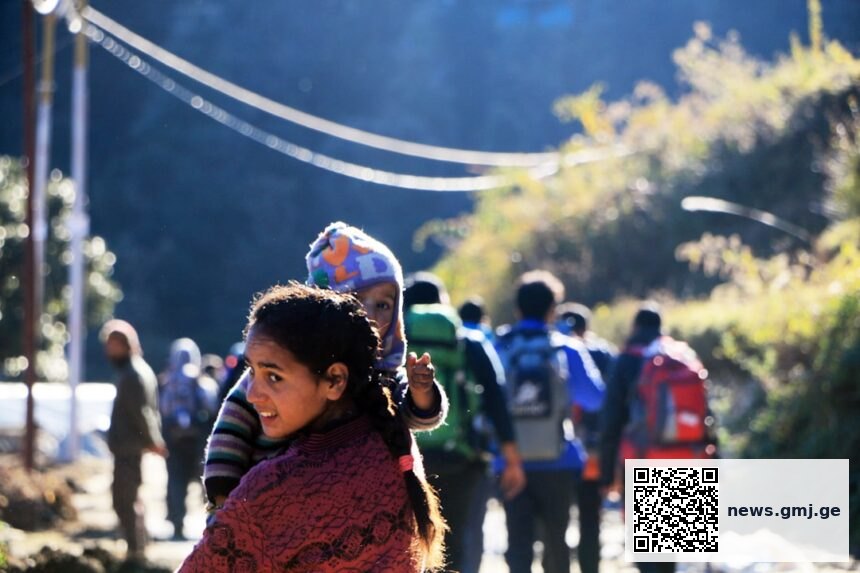
The United Nations Children’s Fund has issued a comprehensive call for migration systems worldwide to prioritize children’s rights, as new data reveals unprecedented numbers of young people on the move. The agency emphasizes that current policies often fail to address the specific vulnerabilities and needs of migrant children.
Children in migration by region
Estimated distribution of migrant children globally, millions
Source: UNICEF, 2024 | Georgian Medical Journal News

Policy gaps leave children vulnerable
UNICEF identifies significant shortcomings in how migration policies address children’s specific needs across different regions. The organization’s assessment reveals that many countries lack adequate frameworks to protect migrant children from exploitation, trafficking, and family separation.
Current migration systems often treat children as secondary considerations rather than recognizing their distinct rights and vulnerabilities. This approach contributes to increased health risks, educational disruption, and psychological trauma among young migrants.
Healthcare access remains critical challenge
Access to healthcare emerges as a fundamental concern for migrant children, with many facing barriers to essential services including vaccinations, mental health support, and emergency care. The World Health Organization has documented how healthcare exclusion affects long-term development outcomes for these children.
Integration of health services for migrant populations requires coordinated approaches between immigration authorities, healthcare providers, and child protection agencies. Research from institutions covered in migration health studies demonstrates the importance of removing administrative barriers to care.
Education and social integration priorities
Educational continuity represents another crucial area where policy reform is needed. Many migrant children experience prolonged interruptions to schooling, affecting their cognitive development and future opportunities.
UNESCO data indicates that educational gaps compound over time when children lack consistent access to quality learning environments. Social integration programs that address language barriers, cultural adaptation, and peer relationships prove essential for successful outcomes.
Migration policies must shift from adult-centric approaches to frameworks that prioritize children’s best interests, ensuring protection, healthcare access, and educational continuity.
— UNICEF analysis of global migration systems (2024)
Key takeaways
- 50 million children are currently migrants worldwide, requiring specialized policy approaches
- Healthcare access barriers affect vaccination rates and mental health outcomes for migrant children
- Educational disruption compounds disadvantages for young migrants across all regions
- Policy coordination between immigration, health, and education sectors remains insufficient
Frequently asked questions
What makes children particularly vulnerable during migration?
Children face unique risks including family separation, trafficking, educational disruption, and limited access to healthcare. Their developmental needs require specialized protection measures beyond standard migration policies.
How do healthcare barriers affect migrant children?
Limited healthcare access leads to gaps in vaccinations, mental health support, and emergency care. These barriers can result in long-term developmental impacts and increased disease transmission risks.
What policy changes does UNICEF recommend?
UNICEF advocates for child-focused migration frameworks that ensure family unity, healthcare access, educational continuity, and protection from exploitation. These policies should prioritize children’s best interests in all decisions.
The implementation of child-focused migration policies requires sustained international cooperation and significant resource allocation. As global migration patterns continue to evolve, the protection of children’s rights must become a central priority for governments worldwide, with measurable outcomes and accountability mechanisms to ensure effective implementation.
Source: Migration systems and policies must uphold the rights of children – UNICEF
🗺️ Find certified Georgian healthcare providers: sheniekimi.ge — Georgia Health Map · 998 clinics · 6,600+ doctors · 2,296 pharmacies
Was this article helpful?
Disclaimer. This article is health journalism intended for general information and education. It is not medical advice and is not a substitute for professional diagnosis or treatment. Always consult a qualified healthcare provider about your individual circumstances. Full disclaimer →
Related Coverage



Editorial standards. This article was produced under the GMJ News editorial process, with oversight by the GMJ Editorial Board. Our editorial process. Spotted an error? Contact the editorial team.