By using this site, you agree to the Privacy Policy and Terms of Use.
Accept
GMJ NewsGMJ NewsGMJ News
  • Latest News
    • GMJ Briefs
  • Podcast & Media
    • Podcast Episodes
    • GMJ Audio
    • GMJ Videos
  • Research Digest
    • New Studies
    • Georgian Research
    • Data & Numbers
  • Policy & Systems
    • Health Policy
    • Quality & Safety
    • Migration & Health
    • Global Health
  • Practice
    • Clinical Updates
    • Case Discussions
    • Pharmacy & Prescribing
    • Ingredients A-Z
  • Perspectives
    • Editorial
    • Explainers
    • Voices
    • Letters
  • GMJ Articles
    • Vol. 1 Issue 2 (2026)
    • Vol. 1 Issue 1 (2026)
    • Pre-Launch Articles (2025)
  • Read the Journal →
  • About GMJ News
Notification Show More
Font ResizerAa
GMJ NewsGMJ News
Font ResizerAa
  • Latest News
    • GMJ Briefs
  • Podcast & Media
    • Podcast Episodes
    • GMJ Audio
    • GMJ Videos
  • Research Digest
    • New Studies
    • Georgian Research
    • Data & Numbers
  • Policy & Systems
    • Health Policy
    • Quality & Safety
    • Migration & Health
    • Global Health
  • Practice
    • Clinical Updates
    • Case Discussions
    • Pharmacy & Prescribing
    • Ingredients A-Z
  • Perspectives
    • Editorial
    • Explainers
    • Voices
    • Letters
  • GMJ Articles
    • Vol. 1 Issue 2 (2026)
    • Vol. 1 Issue 1 (2026)
    • Pre-Launch Articles (2025)
  • Read the Journal →
  • About GMJ News
Follow US
GMJ News > Policy & Systems > Global Health > Global Temperatures Likely to Set Records Over Next Five Years, WMO Warns
Global HealthPolicy & Systems

Global Temperatures Likely to Set Records Over Next Five Years, WMO Warns

GMJ
Last updated: 15/06/2026 12:25
By
GMJ Policy Desk
Share
4 Min Read
Climate change and health risks infographic showing temperature trendsIllustrative image · Photo by Feyza Daştan on Pexels (Pexels License)
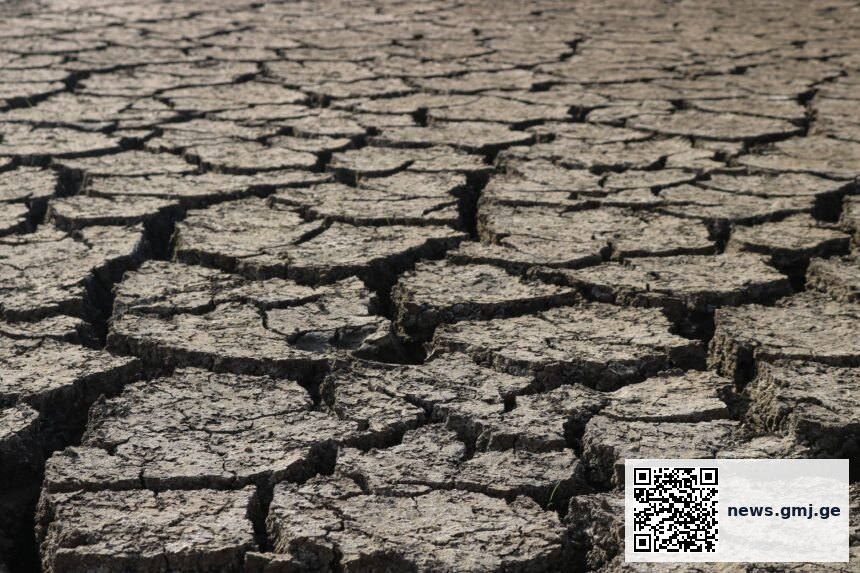
Global temperatures are likely to reach record levels in the next five years according to WMO. Rising temperatures pose escalating threats to global health systems and vulnerable populations. — Photo by Feyza Daştan on Pexels (Pexels License)
SHARE
3 min read|557 words
✓ Reviewed by Prof. Giorgi Pkhakadze, MD, MPH, PhD · ORCID 0000-0001-7609-4515

🟢 Strong Evidence

Contents
    • Key takeaways
      • Health Risks Escalate With Rising Temperatures
  • Climate Change Accelerates Health Threats
  • Health Systems Under Pressure
  • Vulnerable Populations Face Greatest Risk
    • What this means
  • Frequently asked questions
    • How does extreme heat affect human health?
    • Which populations are most vulnerable to rising temperatures?
    • What can healthcare systems do to prepare for climate change?

Global average temperatures are likely to reach record levels within the next five years, according to the latest assessment from the World Meteorological Organization (WMO). The prediction underscores mounting concerns about climate change impacts on public health worldwide.

Key takeaways

  • WMO forecasts record-breaking global temperatures in the next five years
  • Climate change poses escalating risks to global health systems
  • Extreme weather events linked to rising temperatures threaten vulnerable populations
5 years
timeframe for predicted record global temperatures according to WMO

Health Risks Escalate With Rising Temperatures

Climate-related health threats by temperature increase

250,000
additional deaths annually by 2030-2050 from climate change
3.3bn
people living in areas highly vulnerable to climate change
1.5°C
critical warming threshold

Source: WHO, 2023 | Georgian Medical Journal News

Submit Your Paper
GMJ_Submit_Banner

Climate Change Accelerates Health Threats

The World Health Organization has identified climate change as one of the greatest threats to global health in the 21st century. Rising temperatures contribute to heat-related illness, expand disease vector ranges, and compromise food security.

🎙️ Related Podcast Episodes
🎧 #13 | Six Years After COVID-19: Is the World Better Prepared for the Next Pandemic? · 19m
🎧 #26 | Denmark Becomes First EU Country to Eliminate Mother-to-Child Transmission of HIV and · 14m
🎧 #25 | WHO Warns: Childhood Hearing Loss Must Be Addressed Early · 19m
🎧 #19 | WHO Releases ICD-11 2026 Update: The Global Standard for Health Data · 19m

Extreme heat events pose particular risks to vulnerable populations, including elderly individuals, children, and those with chronic medical conditions. The Centers for Disease Control and Prevention reports that heat-related deaths have increased significantly in recent decades.

Health Systems Under Pressure

Climate-related health impacts are straining healthcare systems worldwide. Heat waves increase emergency department visits and hospitalizations, while extreme weather events can damage healthcare infrastructure and disrupt medical supply chains.

The global health community recognizes the urgent need for climate-resilient health systems. Healthcare facilities must adapt to handle increased patient loads during extreme weather events while maintaining essential services.

Vulnerable Populations Face Greatest Risk

Climate change disproportionately affects marginalized communities with limited access to healthcare and cooling resources. The displacement of populations due to climate events creates additional health challenges, including infectious disease outbreaks and mental health impacts.

Urban heat islands particularly affect low-income communities, where access to air conditioning and green spaces may be limited. Public health officials emphasize the importance of targeted interventions to protect these vulnerable groups.

Climate change is fundamentally a health issue, with rising temperatures posing direct and indirect threats to human wellbeing across all populations.

— World Health Organization Climate and Health Programme

What this means

For patients: Prepare for extreme heat by staying hydrated, seeking air-conditioned spaces, and knowing signs of heat-related illness
For clinicians: Develop protocols for heat-related emergencies and consider climate impacts when treating chronic conditions
For policymakers: Invest in climate-resilient health infrastructure and early warning systems for extreme weather events

Frequently asked questions

How does extreme heat affect human health?

Extreme heat can cause heat exhaustion, heat stroke, and exacerbate existing medical conditions like cardiovascular and respiratory diseases. It also affects medication efficacy and increases hospital admissions.

Which populations are most vulnerable to rising temperatures?

Elderly adults, young children, pregnant women, outdoor workers, and individuals with chronic conditions face the highest risks from extreme heat exposure.

What can healthcare systems do to prepare for climate change?

Systems can develop heat emergency protocols, strengthen infrastructure resilience, and implement early warning systems for extreme weather events.

The WMO’s temperature predictions highlight the urgent need for coordinated global action on climate change and health adaptation. As temperatures continue to rise, healthcare systems must evolve to protect populations from escalating climate-related health risks while addressing the root causes of global warming.

Source: Global Temperatures Head For Record Highs In Next Five Years

Was this article helpful?

Disclaimer. This article is health journalism intended for general information and education. It is not medical advice and is not a substitute for professional diagnosis or treatment. Always consult a qualified healthcare provider about your individual circumstances. Full disclaimer →

Related Coverage

WHO Adopts Historic Resolution on Fatty Liver Disease as Missing Link in Global NCD StrategyJun 16, 2026
WHO Launches Global Consultation on AI Ethics in Long-Term Care Following China's Massive Healthcare Algorithm DeploymentJun 16, 2026
NHS Review Proposes Ban on Political Badges for Doctors Amid Antisemitism ConcernsJun 16, 2026
RFK Jr. Seeks Access to Americans' Medical Records to Research Vaccine-Autism LinkJun 16, 2026
Related reference
  • Stroke · Condition
PG
Written by
Prof. Giorgi Pkhakadze, MD, MPH, PhD
Editor-in-Chief, GMJ News
Full profile →
Medical disclaimer. This article is health journalism intended for general information. It is not medical advice and is not a substitute for consultation with a qualified healthcare professional. Always seek your physician's advice regarding any medical condition.
Medically reviewed by Prof. Giorgi Pkhakadze, MD, MPH, PhD. Spotted an error? Contact the editorial team.

Get the GMJ News digest
Evidence-based health journalism in your inbox. No spam; unsubscribe anytime.
TAGGED:climate changeextreme heatglobal-healthpublic healthWMO
Share This Article
Facebook LinkedIn Bluesky Copy Link Print
GMJ
ByGMJ Policy Desk
Follow:
GMJ Policy Desk is part of GMJ News, the newsroom of the Georgian Medical Journal (gmj.ge), published by the Public Health Institute of Georgia. Every article is editorially reviewed before publication.
Leave a Comment Leave a Comment

Leave a Reply Cancel reply

Your email address will not be published. Required fields are marked *

Submit Your Paper →

Georgia's peer-reviewed open-access medical journal. No APC until January 2027.
Submit Manuscript →
Cosmeticorexia: How Social Media Drives Children’s Obsessive Skincare Behaviour

Mental health experts identify "cosmeticorexia" as children as young as 8 develop…

WHO Adopts Historic Resolution on Fatty Liver Disease as Missing Link in Global NCD Strategy

The World Health Assembly has adopted a historic resolution recognizing steatotic liver…

WHO Launches Global Consultation on AI Ethics in Long-Term Care Following China’s Massive Healthcare Algorithm Deployment

WHO launches global consultation on AI ethics standards for long-term care following…

Submit Your Paper to GMJ

No APC until January 2027.
Submit Manuscript →

You Might Also Like

Map of central Africa showing Ebola outbreak response zone with epidemiological data visualization
Global Health

Ebola outbreak in central Africa may be spreading faster than reported, warns WHO epidemiologist

By
GMJ Policy Desk
19/05/2026
UNICEF Ambassador Millie Bobby Brown speaking at child health awareness event
Global HealthPolicy & Systems

UNICEF Ambassador Millie Bobby Brown Highlights Global Child Health Challenges in New Parenting Campaign

By
GMJ Policy Desk
05/06/2026
UN medical personnel deploying emergency supplies for Ebola response in Democratic Republic of Congo
Global HealthPolicy & Systems

UN Agencies Mobilize Emergency Response to New Ebola Outbreak in Eastern DRC

By
GMJ Policy Desk
24/05/2026
Illustration of vaccine vials and technology platforms representing mRNA, viral vectors, and protein-based vaccine development approaches
New Studies

The Global Vaccine Landscape: New Technologies, Expanding Access, and the Challenge of Equitable Distribution

By
GMJ Research Desk
21/05/2026
Facebook Twitter Youtube Instagram
Company
  • Privacy Policy
  • Contact US
  • GMJ Journal
  • Submit Manuscript
  • Editorial Team
  • Register at GMJ
  • Terms of Use

Subscribe to GMJ News — Click here

Join Community
© 2026 Georgian Medical Journal (GMJ). Published by the Public Health Institute of Georgia (PHIG). All rights reserved.
Welcome Back!

Sign in to your account

Username or Email Address
Password

Lost your password?

Not a member? Sign Up