


Home › Topics › Sexually Transmitted Infections
Sexually Transmitted Infections
GMJ News knowledge hub · last reviewed September 2026 · Georgian Medical Journal
SummaryStatisticsGlossaryGMJ newsFAQDocumentsOrganizationsResearch
Every day, more than 1 million curable sexually transmitted infections are acquired worldwide — over 370 million new cases a year of chlamydia, gonorrhoea, syphilis and trichomoniasis — most of them asymptomatic and therefore silently transmitted (WHO). The danger is rising on two fronts: congenital syphilis is resurging, causing hundreds of thousands of adverse birth outcomes annually despite costing under a dollar to prevent with maternal screening, and antimicrobial-resistant gonorrhoea threatens to become untreatable. Meanwhile HPV vaccination — which prevents close to 90% of cervical precancers when given early — anchors the WHO cervical cancer elimination strategy. Evidence-based prevention, testing and treatment coverage is the storyline GMJ News follows.
Primary sources: WHO fact sheet — Sexually transmitted infections (STIs) · WHO health topic — STIs
Key messages
Massive and growing burden
There are approximately 374 million new curable STI infections per year (chlamydia, gonorrhoea, syphilis and trichomoniasis) — equivalent to more than 1 million new infections every day (WHO 2023).
Four are curable, four are not
Four STIs are fully curable with current antibiotics: chlamydia, gonorrhoea, syphilis and trichomoniasis. Four others are viral, incurable but manageable: HIV, herpes (HSV), HPV and hepatitis B — all addressable through prevention, vaccination or treatment.
STIs in pregnancy cause devastating harm
Untreated syphilis in pregnancy causes over 300,000 congenital syphilis cases per year — a major driver of stillbirth, neonatal death and severe disability. Despite a safe, cheap antibiotic (benzathine penicillin), congenital syphilis elimination is severely off-track globally.
Drug-resistant gonorrhoea
Gonorrhoea is developing resistance to all available antibiotic classes. The WHO "super-gonorrhoea" alert highlights that some strains are now resistant to ceftriaxone — the last recommended single-agent treatment — creating a near-untreatable STI threat.
Vaccines prevent some STIs
The HPV vaccine prevents HPV infections causing cervical, oropharyngeal and other cancers. The hepatitis B vaccine prevents HBV. JYNNEOS mpox vaccine protects against mpox which can be sexually transmitted. A gonorrhoea vaccine is in development.
Stigma is a major barrier
STI-related stigma prevents people from seeking testing, disclosure to partners and treatment. Addressing stigma through confidential, non-judgmental services and public health communication is a critical component of STI control.
Key statistics
Estimated new curable STI cases per year globally (millions) — WHO 2020 estimates
Source: WHO Global progress report on HIV, viral hepatitis and sexually transmitted infections 2021.
Glossary of key terms
Latest GMJ coverage

Novel Prime-and-Pull Vaccine Strategy Shows Promise Against Genital Herpes in Preclinical Models
17/08/2026

Syphilis Among Gay and Bisexual Men Falls to Decade Low in England
02/06/2026

Genital herpes cases rise in England despite overall STI decline
02/06/2026
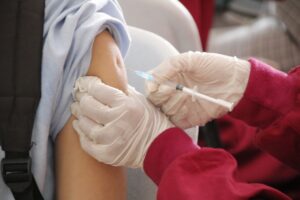
UK Launches First National Gonorrhoea Vaccination Programme Using 4CMenB Vaccine
01/06/2026
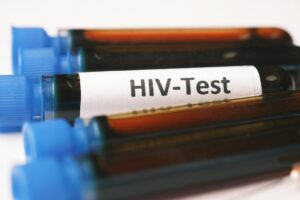
HIV-Positive Patients Face 40% STI Recurrence Rate in Landmark 14-Year Chinese Study
24/05/2026

Bacterial STIs Hit Decade-High in Europe as Gonorrhea and Syphilis Cases Surge
22/05/2026
Frequently asked questions 12 Q&A — structured for Google featured snippets and AI discovery
Knowledge hub: guidelines, conventions and reports
Organizations working in migration and health
Related health topics
HIV/AIDSHepatitisWomen's healthCancer (HPV)AMRMigration and health
About this hub. Produced by the GMJ News Editorial Team as a public-good service. Every statistic is linked to its primary source. Documents are preserved in the GMJ Repository with full attribution. Georgian Medical Journal · Contact the editorial team