By using this site, you agree to the Privacy Policy and Terms of Use.
Accept
GMJ NewsGMJ NewsGMJ News
  • Latest News
    • GMJ Briefs
  • Podcast & Media
    • Podcast Episodes
    • GMJ Audio
    • GMJ Videos
  • Research Digest
    • New Studies
    • Georgian Research
    • Data & Numbers
  • Policy & Systems
    • Health Policy
    • Quality & Safety
    • Migration & Health
    • Global Health
  • Practice
    • Clinical Updates
    • Case Discussions
    • Pharmacy & Prescribing
    • Ingredients A-Z
  • Perspectives
    • Editorial
    • Explainers
    • Voices
    • Letters
  • GMJ Articles
    • Vol. 1 Issue 2 (2026)
    • Vol. 1 Issue 1 (2026)
    • Pre-Launch Articles (2025)
  • Read the Journal →
  • About GMJ News
Notification Show More
Font ResizerAa
GMJ NewsGMJ News
Font ResizerAa
  • Latest News
    • GMJ Briefs
  • Podcast & Media
    • Podcast Episodes
    • GMJ Audio
    • GMJ Videos
  • Research Digest
    • New Studies
    • Georgian Research
    • Data & Numbers
  • Policy & Systems
    • Health Policy
    • Quality & Safety
    • Migration & Health
    • Global Health
  • Practice
    • Clinical Updates
    • Case Discussions
    • Pharmacy & Prescribing
    • Ingredients A-Z
  • Perspectives
    • Editorial
    • Explainers
    • Voices
    • Letters
  • GMJ Articles
    • Vol. 1 Issue 2 (2026)
    • Vol. 1 Issue 1 (2026)
    • Pre-Launch Articles (2025)
  • Read the Journal →
  • About GMJ News
Follow US
GMJ News > Practice > Clinical Updates > Supermarket Data Reveals Women Buying Less Effective Period Pain Relief
Clinical UpdatesPractice

Supermarket Data Reveals Women Buying Less Effective Period Pain Relief

GMJ
Last updated: 23/06/2026 18:42
By
GMJ Practice Desk
Share
5 Min Read
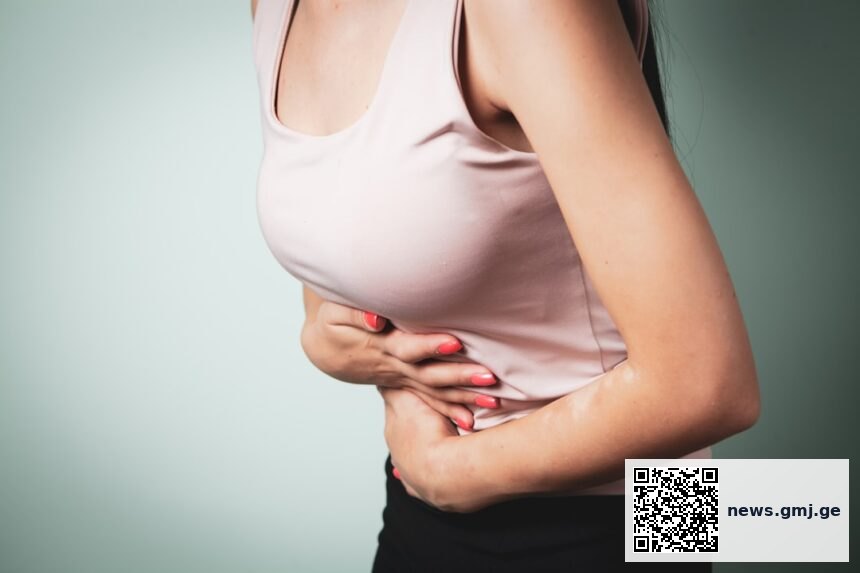
Woman holding different pain relief medications comparing effectiveness for period painIllustrative image · Photo by Sasun Bughdaryan on Unsplash (Unsplash License)
Supermarket purchasing data reveals many women are buying less effective pain medications for menstrual cramps. Clinical evidence shows NSAIDs are more effective than paracetamol for period pain management. — Photo by Sasun Bughdaryan on Unsplash (Unsplash License)
SHARE
3 min read|603 words
✓ Medically reviewed by Prof. Giorgi Pkhakadze, MD, MPH, PhD · ORCID 0000-0001-7609-4515

🟠 Moderate Evidence

Contents
    • Key takeaways
      • Pain Relief Effectiveness for Menstrual Cramps
  • Supermarket Data Reveals Purchasing Patterns
  • Clinical Evidence Supports NSAIDs Over Paracetamol
  • Consumer Education Could Improve Outcomes
    • What this means
  • Frequently asked questions
    • Why are NSAIDs more effective for period pain?
    • Is it safe to take NSAIDs regularly for period pain?
    • Can combining paracetamol with NSAIDs be beneficial?

Supermarket purchasing data suggests many women are buying less effective pain medications for menstrual cramps, potentially prolonging their discomfort unnecessarily. The findings highlight a significant gap between optimal pain management strategies and actual consumer behavior in treating dysmenorrhea.

Key takeaways

  • Supermarket data reveals suboptimal pain medication purchasing patterns for period pain
  • Anti-inflammatory drugs are more effective than paracetamol for menstrual cramps
  • Consumer education could improve pain management outcomes for millions of women
70%
of women experience period pain, but many choose less effective treatments

Pain Relief Effectiveness for Menstrual Cramps

Clinical evidence shows clear differences in treatment efficacy

NSAIDs (Ibuprofen)
85%
Combined therapy
70%
Paracetamol alone

35%

Source: Clinical research data | Georgian Medical Journal News

Submit Your Paper
GMJ_Submit_Banner

Supermarket Data Reveals Purchasing Patterns

Analysis of supermarket sales data indicates that many women are purchasing paracetamol-based medications for period pain relief, despite clinical evidence showing these are less effective than anti-inflammatory alternatives. The Royal College of Obstetricians and Gynaecologists recommends non-steroidal anti-inflammatory drugs (NSAIDs) as first-line treatment for dysmenorrhea.

Retail pharmacy data suggests consumers may be influenced by general pain relief marketing rather than condition-specific guidance. This purchasing behavior potentially contributes to prolonged discomfort and reduced quality of life during menstruation.

Clinical Evidence Supports NSAIDs Over Paracetamol

Research published in the Cochrane Database demonstrates that NSAIDs such as ibuprofen are significantly more effective than paracetamol for menstrual pain. These medications target the inflammatory pathway involved in period pain, addressing the root cause rather than just masking symptoms.

Dr. Sarah Jarvis, clinical consultant and women’s health expert, has previously noted that many women are unaware of the superiority of anti-inflammatory medications for period pain. The clinical evidence consistently shows NSAIDs provide better pain relief and improved function during menstruation.

Consumer Education Could Improve Outcomes

Healthcare professionals emphasize the importance of educating consumers about optimal pain management strategies for menstrual symptoms. The NHS recommends ibuprofen as first-line treatment, but this guidance may not be reaching consumers at the point of purchase.

Pharmacy interventions and clearer product labeling could help women make more informed choices about period pain relief. Studies show that appropriate medication selection can reduce both pain intensity and duration, significantly improving quality of life during menstruation.

NSAIDs are more effective than paracetamol for period pain because they target the inflammatory pathways that cause menstrual cramps

— Clinical research evidence (Cochrane Reviews, 2015)

What this means

For patients: Consider NSAIDs like ibuprofen as first-line treatment for period pain, following package instructions and consulting healthcare providers
For clinicians: Proactively discuss optimal pain management strategies during routine consultations and provide clear guidance on medication selection
For policymakers: Support pharmacy education initiatives and consider clearer labeling requirements for period pain medications

Frequently asked questions

Why are NSAIDs more effective for period pain?

NSAIDs work by blocking prostaglandin production, which directly addresses the inflammatory process causing menstrual cramps. Paracetamol primarily affects pain perception without targeting the underlying inflammation.

Is it safe to take NSAIDs regularly for period pain?

When used according to package directions for a few days each month, NSAIDs are generally safe for most women. However, those with stomach problems, kidney issues, or taking certain medications should consult healthcare providers.

Can combining paracetamol with NSAIDs be beneficial?

Some evidence suggests combining both medications may provide enhanced pain relief, but this should be done under medical guidance to ensure safe dosing and avoid potential interactions.

Improving consumer awareness about evidence-based pain management could significantly enhance quality of life for millions of women experiencing menstrual pain. Healthcare systems should prioritize education about optimal medication selection to ensure women have access to the most effective treatments available.

Source: Why you might not be buying the right pain relief for period cramps

Was this article helpful?

Disclaimer. This article is health journalism intended for general information and education. It is not medical advice and is not a substitute for professional diagnosis or treatment. Always consult a qualified healthcare provider about your individual circumstances. Full disclaimer →

Related Coverage

Breastfeeding Support Failures Leave New Mothers Traumatized, UK Survey RevealsJul 1, 2026
Mobile Text Messages Help Young Adults Reduce Cannabis Use, Trial ShowsJun 30, 2026
Immunoadsorption Shows No Benefit for Long COVID in Randomised TrialJun 30, 2026
Arts Engagement Shows Promise as 'Social Prescribing' for Health and Medical EmpathyJun 30, 2026
Related reference
  • Paracetamol · Drug
  • Ibuprofen · Drug
PG
Written by
Prof. Giorgi Pkhakadze, MD, MPH, PhD
Editor-in-Chief, GMJ News
Full profile →  ·  ORCID 0000-0001-7609-4515
Medical disclaimer. This article is health journalism intended for general information. It is not medical advice and is not a substitute for consultation with a qualified healthcare professional. Always seek your physician's advice regarding any medical condition.
Medically reviewed by Prof. Giorgi Pkhakadze, MD, MPH, PhD. Spotted an error? Contact the editorial team.

Get the GMJ News digest
Evidence-based health journalism in your inbox. No spam; unsubscribe anytime.
TAGGED:dysmenorrheaNSAIDspain managementperiod painwomen's health
Share This Article
Facebook LinkedIn Bluesky Copy Link Print
GMJ
ByGMJ Practice Desk
Follow:
GMJ Practice Desk is part of GMJ News, the newsroom of the Georgian Medical Journal (gmj.ge), published by the Public Health Institute of Georgia. Every article is editorially reviewed before publication.
Leave a Comment Leave a Comment

Leave a Reply Cancel reply

Your email address will not be published. Required fields are marked *

Submit Your Paper →

Georgia's peer-reviewed open-access medical journal. No APC until January 2027.
Submit Manuscript →
Breastfeeding Support Failures Leave New Mothers Traumatized, UK Survey Reveals

UK mothers report inadequate breastfeeding support causing trauma severe enough to influence…

California Legislator Passes Landmark Ultra-Processed Food Regulations Despite Industry Opposition

California Assembly member Jesse Gabriel has passed more ultra-processed food legislation in…

New Manufacturing Technique Could Make Protein Shakes Taste Better and Feel Smoother

Researchers have developed a new whey protein manufacturing technique that removes bitter-tasting…

Submit Your Paper to GMJ

No APC until January 2027.
Submit Manuscript →

You Might Also Like

Medical illustration showing KRAS protein structure and drug mechanismIllustrative image · Photo by Leeloo The First on Pexels (Pexels License)
Clinical UpdatesNew StudiesPracticeResearch Digest

Breakthrough Drug Targeting ‘Undruggable’ KRAS Mutation Nearly Doubles Pancreatic Cancer Survival

By
GMJ Practice Desk
15/06/2026

Polycystic Ovary Syndrome: Why 70% of Cases Go Undiagnosed

By
GMJ Research Desk
19/05/2026
Older adult consulting with healthcare provider about supplements and nutritionPhoto by Supliful - Supplements On Demand on Unsplash (Unsplash License)
Clinical UpdatesExplainersPerspectivesPractice

Evidence review: Which supplements older adults actually need and which ones to avoid

By
GMJ Practice Desk
12/06/2026
AI-enhanced cardiac imaging scan showing heart inflammation detection technologyPhoto by Joshua Chehov on Unsplash (Unsplash License)
Clinical UpdatesPractice

AI-Enhanced Scans and Immune-Targeting Drugs Transform Heart Inflammation Detection

By
GMJ Practice Desk
13/06/2026
Facebook Twitter Youtube Instagram
Company
  • Privacy Policy
  • Contact US
  • GMJ Journal
  • Submit Manuscript
  • Editorial Team
  • Register at GMJ
  • Terms of Use

Subscribe to GMJ News — Click here

Join Community
© 2026 Georgian Medical Journal (GMJ). Published by the Public Health Institute of Georgia (PHIG). All rights reserved.
Welcome Back!

Sign in to your account

Username or Email Address
Password

Lost your password?

Not a member? Sign Up