By using this site, you agree to the Privacy Policy and Terms of Use.
Accept
GMJ NewsGMJ NewsGMJ News
  • Latest News
    • GMJ Briefs
  • The Wire
  • Health Topics
  • Podcast & Media
    • GMJ Audio
    • GMJ Videos
    • Podcast & Media
    • Podcast Episodes
  • GMJ Articles
    • Vol. 1 Issue 3 (2026)
    • Public Health Dictionary — Supplement Edition
    • IAP Legacy Series
    • Read Full Journal (gmj.ge) →
    • Pre-Launch Articles (2025)
    • Vol. 1 Issue 1 (2026)
    • Vol. 1 Issue 2 (2026)
  • Perspectives
    • Editorial
    • Explainers
    • Letters
    • Voices
  • Policy & Systems
    • Global Health
    • Health Policy
    • Migration & Health
    • Quality & Safety
    • Work & Health
  • Dictionary
    • Our Story: 20 Years in the Making
    • Browse A–Z
    • About the Project
    • Contribute a Term
  • Practice
    • Case Discussions
    • Clinical Updates
    • Pharmacy & Prescribing
  • Research Digest
    • Data & Numbers
    • Georgian Research
    • New Studies
  • Read the Journal →
Notification Show More
Font ResizerAa
GMJ NewsGMJ News
Font ResizerAa
  • Latest News
  • The Wire
  • Health Topics
  • Podcast & Media
  • GMJ Articles
  • Perspectives
  • Policy & Systems
  • Dictionary
  • Practice
  • Research Digest
  • Read the Journal →
  • Latest News
    • GMJ Briefs
  • The Wire
  • Health Topics
  • Podcast & Media
    • GMJ Audio
    • GMJ Videos
    • Podcast & Media
    • Podcast Episodes
  • GMJ Articles
    • Vol. 1 Issue 3 (2026)
    • Public Health Dictionary — Supplement Edition
    • IAP Legacy Series
    • Read Full Journal (gmj.ge) →
    • Pre-Launch Articles (2025)
    • Vol. 1 Issue 1 (2026)
    • Vol. 1 Issue 2 (2026)
  • Perspectives
    • Editorial
    • Explainers
    • Letters
    • Voices
  • Policy & Systems
    • Global Health
    • Health Policy
    • Migration & Health
    • Quality & Safety
    • Work & Health
  • Dictionary
    • Our Story: 20 Years in the Making
    • Browse A–Z
    • About the Project
    • Contribute a Term
  • Practice
    • Case Discussions
    • Clinical Updates
    • Pharmacy & Prescribing
  • Research Digest
    • Data & Numbers
    • Georgian Research
    • New Studies
  • Read the Journal →
Follow US
GMJ News > Practice > Clinical Updates > Alcohol Suppresses Heart Rate Variability During Sleep Across All Fitness Levels
Clinical UpdatesNew StudiesPracticeResearch Digest

Alcohol Suppresses Heart Rate Variability During Sleep Across All Fitness Levels

GMJ
Last updated: 12/07/2026 13:29
By
GMJ Practice Desk
Share
11 Min Read
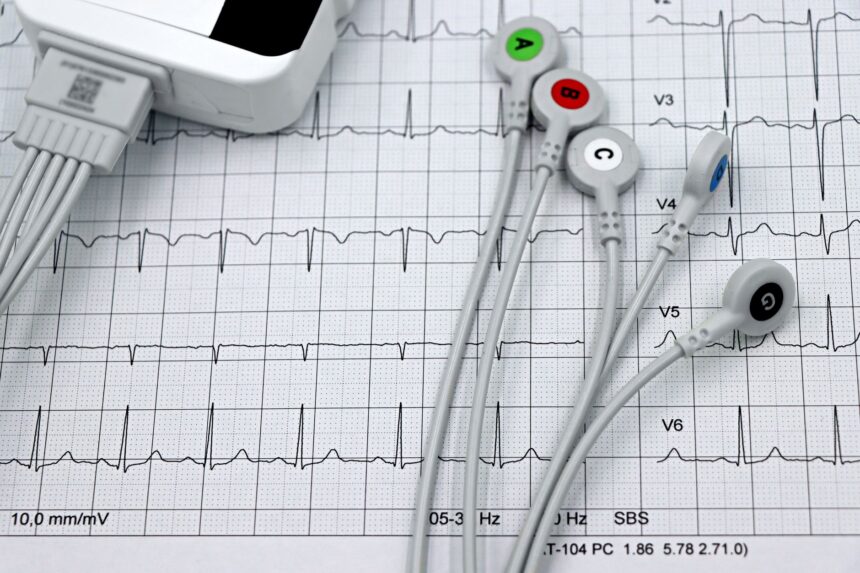
Dose-response chart showing HRV suppression from alcohol consumption during sleepIllustrative image · Photo by Marta Branco on Pexels (Pexels License)
A 4,098-person study from Finland found that alcohol suppresses heart rate variability (HRV) during sleep in a clear dose-response pattern, with high-dose drinking reducing HRV-derived recovery by 39.2%, independent of fitness level. — Photo by Marta Branco on Pexels (Pexels License)
SHARE
🎧 Listen to this article9:23 min · 1,397 words · GMJ Audio
7 min read|1,397 words
✓ Reviewed by GMJ News Editorial Team

🟠 Moderate Evidence

Contents
    • Key takeaways
      • Study at a Glance
      • Dose-Response: How Alcohol Suppresses Sleep Recovery Across All Doses
  • What Heart Rate Variability Reveals About Recovery
  • The Dose-Response Pattern: Even Light Drinking Matters
  • Fitness Does Not Protect Against Alcohol’s Autonomic Effects
  • Alcohol as a Behavioral Suppressor of Sleep Recovery
    • What this means
  • Frequently asked questions
    • Does a single alcoholic drink really suppress HRV during sleep?
    • Can fitness or training prevent alcohol’s HRV suppression?
    • Is HRV suppression during sleep clinically meaningful?

Alcohol significantly suppresses heart rate variability (HRV) during the first three hours of sleep, according to a large real-world study of 4,098 working adults published in JMIR Mental Health by researchers at Tampere University of Technology in Finland. The suppression occurred in a clear dose-response pattern, with even modest alcohol consumption producing measurable autonomic effects that persisted regardless of participants’ fitness levels or sex.

Key takeaways

  • HRV-derived recovery dropped by 9.3 percentage units after low-dose alcohol (1–2 standard drinks), 24 percentage units after moderate doses (2–4 drinks), and 39.2 percentage units after high doses (4+ drinks)
  • The suppressive effect was independent of physical fitness, sex, and training status, though slightly stronger in younger participants
  • All dose-related reductions in overnight HRV were statistically significant (p < 0.001), suggesting alcohol disrupts parasympathetic nervous system recovery during sleep

Study at a Glance

Source JMIR Mental Health
Study type Observational cohort with within-person controls
Sample size N = 4,098 working adults
Population Adults wearing continuous beat-to-beat heart rate monitors during normal everyday life
Country Finland
39.2%
Reduction in HRV-derived recovery after high-dose alcohol (≥4 standard drinks), compared to each participant’s own alcohol-free nights

Dose-Response: How Alcohol Suppresses Sleep Recovery Across All Doses

HRV-derived recovery reduction (percentage units) in first three hours of sleep, compared to no-alcohol baseline. Data from 4,098 Finnish adults, Pietilä et al., JMIR Mental Health 2018.

High dose (4+ drinks)
−39.2%
Moderate dose (2–4 drinks)
−24%
Low dose (1–2 drinks)
−9.3%

Source: Pietilä et al., JMIR Mental Health 2018 | Georgian Medical Journal News

Submit Your Paper
GMJ_Submit_Banner

What Heart Rate Variability Reveals About Recovery

Heart rate variability—the natural fluctuation in time intervals between consecutive heartbeats—has emerged as a key biomarker of autonomic nervous system function and physical recovery. Zambotti and colleagues, writing in Sleep (2021), emphasized that higher HRV during sleep reflects parasympathetic dominance, suggesting a body in a state of rest and autonomic recovery. Conversely, lower HRV signals sympathetic nervous system activation, indicating incomplete recovery and continued metabolic stress. This metric is now standard in consumer wearables—including Whoop, Oura, Garmin, and Apple Watch—which compute recovery and readiness scores partly from overnight HRV data.

🎙️ Related Podcast Episodes
🎧 #52 | GMJ Podcast | Health and Migration Knowledge Hub — A Global Resource for Evidence-Based Practice · 17m
🎧 #44 | GMJ Podcast | Infant Formula Contamination — Global Food Safety Failure and the Cereulide Outbreak · 21m

The physiological logic is straightforward: during healthy sleep, the parasympathetic nervous system should dominate, allowing heart rate to become more variable as the body shifts between sleep stages. Alcohol disrupts this process. When alcohol is metabolized, it triggers sympathetic activation—the body’s stress response—that persists into sleep and suppresses the natural variability that characterizes healthy autonomic recovery.

The Dose-Response Pattern: Even Light Drinking Matters

Pietilä’s 2018 study, conducted at Tampere University of Technology in Finland, was designed as a within-person observational study to isolate alcohol’s effect while controlling for individual differences in baseline HRV and sleep architecture. The 4,098 working adults wore continuous beat-to-beat heart rate monitors during their normal daily lives and reported their alcohol intake each day. Because each participant served as their own control—with at least one recorded sleep night with alcohol and one without—individual variation in genetics, fitness, and sleep patterns could be factored out.

The researchers focused on the first three hours of sleep, the period when deep sleep and parasympathetic recovery are most pronounced. The dose-response relationship was linear and unambiguous. Compared to each participant’s own no-alcohol nights, HRV-derived recovery dropped by 9.3 percentage units at low doses (≤0.25 g/kg of pure alcohol, equivalent to 1–2 standard drinks for a typical adult), 24 percentage units at moderate doses (0.25–0.75 g/kg, or 2–4 drinks), and 39.2 percentage units at high doses (above 0.75 g/kg, 4 or more drinks). All three reductions were statistically significant at p less than 0.001, excluding the possibility of random chance.

Fitness Does Not Protect Against Alcohol’s Autonomic Effects

One of the study’s most striking findings was the universal nature of the effect. Physically active participants showed the same HRV suppression as sedentary ones. Sex did not modify the relationship—both men and women experienced comparable autonomic disruption. There was a modest age gradient: younger participants showed slightly stronger HRV suppression than older ones, but the effect persisted across all age groups. Crucially, training status—a proxy for cardiovascular fitness and parasympathetic tone at baseline—did not confer protection.

This universality has significant implications. Athletes and fitness-conscious individuals often assume their superior cardiovascular conditioning buffers them from alcohol’s negative effects on recovery. The Pietilä data suggest otherwise: alcohol’s disruption of sleep-stage autonomic balance is not negotiable by fitness. A trained endurance athlete who consumes four drinks will experience the same ~39% drop in HRV-derived recovery as a sedentary individual. This finding has been reinforced by subsequent clinical updates on sleep and performance recovery, which emphasize that alcohol’s effect on sleep architecture and autonomic function is independent of training adaptation.

High-dose alcohol (4+ standard drinks) suppressed HRV-derived recovery by 39.2 percentage units during the first three hours of sleep, an effect that persisted regardless of physical fitness, sex, or training status.

— Pietilä and colleagues, Tampere University of Technology (JMIR Mental Health, 2018)

Alcohol as a Behavioral Suppressor of Sleep Recovery

The consistency of alcohol’s HRV-suppressive effect across available studies underscores its classification as one of the most reliable behavioral suppressors of overnight HRV in the scientific literature. Unlike many lifestyle interventions whose benefits scale with individual genetics or training status, alcohol’s sympathomimetic and sleep-disrupting properties appear universal. Even low doses—a single 14-gram standard drink—produce measurable autonomic perturbation. This has prompted updated health policy guidance around alcohol and sleep quality in recovery-oriented clinical contexts, particularly for athletes, shift workers, and individuals managing stress-related conditions.

The mechanism is multifaceted. Alcohol suppresses rapid-eye-movement (REM) sleep, delays sleep onset, increases arousals, and triggers rebound wakefulness in the latter half of the night. At the autonomic level, it increases circulating catecholamines and activates the sympathetic nervous system, reducing beat-to-beat variability—the hallmark of parasympathetic withdrawal. This explains why even moderate alcohol doses produce detectable HRV suppression: the effect is driven by fundamental neurochemistry, not behavioral artifacts.

What this means

For patients: If you use wearable devices to monitor sleep recovery or readiness scores, expect a measurable dip after alcohol consumption—even at low to moderate doses. This reflects genuine autonomic disruption, not a sensor error. If recovery is a priority (whether for athletic training, stress management, or health optimization), alcohol should be considered a genuine trade-off, not a neutral lifestyle choice.
For clinicians: HRV metrics from wearables can serve as objective, patient-accessible biomarkers of autonomic recovery during counseling around sleep hygiene, stress management, and alcohol reduction. Patients may be more motivated by real-time HRV suppression data than by abstract health warnings. In clinical populations (anxiety, insomnia, hypertension), alcohol’s documented suppression of parasympathetic recovery strengthens the evidence base for alcohol-reduction interventions.
For policymakers: Alcohol’s universal suppression of sleep-stage autonomic recovery, independent of fitness or sex, reinforces public health messaging that alcohol disrupts recovery across populations. This finding may inform occupational health guidance for shift workers, military personnel, and others whose operational readiness depends on sleep quality, as well as evidence-based alcohol labeling that communicates sleep and recovery effects alongside traditional health warnings.

Frequently asked questions

Does a single alcoholic drink really suppress HRV during sleep?

Yes. According to Pietilä’s study, even low-dose alcohol (1–2 standard drinks, ~14–28 grams of pure alcohol) reduced HRV-derived recovery by 9.3 percentage units during the first three hours of sleep. While this is smaller than the 39.2% reduction seen at high doses, it is statistically significant (p < 0.001) and consistent across the 4,098 participants studied.

Can fitness or training prevent alcohol’s HRV suppression?

No. Pietilä’s data show that the effect was independent of physical fitness and training status. Athletes and sedentary individuals experienced similar HRV suppression at each dose level. This suggests that superior cardiovascular conditioning does not confer protection against alcohol’s autonomic effects on sleep.

Is HRV suppression during sleep clinically meaningful?

Yes. HRV is a validated proxy for parasympathetic nervous system tone and autonomic recovery capacity. Suppressed HRV during sleep indicates incomplete vagal reactivation and persistent sympathetic activation, which impairs restorative sleep physiology. For individuals optimizing recovery—whether for athletic training, stress management, or disease prevention—genuine HRV suppression represents a real trade-off, not a cosmetic metric.

As consumer wearables continue to democratize access to HRV data, the Pietilä findings offer a practical translation of autonomic physiology into actionable behavior change. Alcohol’s consistent, dose-dependent suppression of overnight HRV provides an objective, real-time feedback loop that may motivate individuals to consider recovery trade-offs more intentionally than traditional health messaging alone. Future research should examine whether personalized HRV feedback improves alcohol reduction adherence in clinical and occupational populations where sleep quality and autonomic recovery are critical determinants of health and safety.

Source: Pietilä et al., JMIR Mental Health, 2018

Was this article helpful?

Disclaimer. This article is health journalism intended for general information and education. It is not medical advice and is not a substitute for professional diagnosis or treatment. Always consult a qualified healthcare provider about your individual circumstances. Full disclaimer →

Related Coverage
Engineered Islet Transplant Survives Without Immunosuppression in First-in-Human TrialOct 2, 2026
Second pregnancy rewires the brain differently than the first, study revealsOct 2, 2026
Experimental Drug DT-109 Reverses Severe Fatty Liver Disease by Repairing Gut Barrier in Animal StudiesOct 2, 2026
Engineers use AI to design peptides that control cellular signals in diseaseOct 2, 2026
Explore more on this topic:🧭 Cardiovascular Disease hub🧭 HIV/AIDS hub🧭 Alcohol hub
🔥 Most read this week
1Animal Protein’s Muscle-Building Edge Disappears When Measured Over Days, Not Hours
2Animal Protein Produces 47% Larger Muscle Protein Synthesis Spike Than Plant Sources, New Research Shows
3Resistance Training Linked to 27% Reduction in Early Death Risk, Large-Scale Review Finds
4High-Intensity Interval Training Alone Preserves Muscle While Reducing Fat in Older Adults
Related reference
  • Hypertension · Condition
  • SAMe · Ingredient

Find certified Georgian healthcare providers at sheniekimi.ge/jandacvis-ruka/

PG
Editorial oversight
Prof. Giorgi Pkhakadze, MD, MPH, PhD
Editor-in-Chief, GMJ News
Full profile →  ·  ORCID 0000-0001-7609-4515
Medical disclaimer. This article is health journalism intended for general information. It is not medical advice and is not a substitute for consultation with a qualified healthcare professional. Always seek your physician's advice regarding any medical condition.
Editorial standards. This article was produced under the GMJ News editorial process, with oversight by the GMJ Editorial Board. Our editorial process. Spotted an error? Contact the editorial team.
📬 GMJ Health Digest
Evidence-based medical news, once a week. Free, no spam, unsubscribe anytime.
TAGGED:alcohol effectsautonomic nervous systemheart rate variabilitysleep recoverywearable devices
Share This Article
Facebook Whatsapp Whatsapp LinkedIn Telegram Bluesky Copy Link Print
GMJ
ByGMJ Practice Desk
Follow:
GMJ Practice Desk is part of GMJ News, the newsroom of the Georgian Medical Journal (gmj.ge), published by the Public Health Institute of Georgia. Every article is editorially reviewed before publication.
Leave a Comment Leave a Comment

Leave a Reply Cancel reply

Your email address will not be published. Required fields are marked *

Submit Your Paper →

Georgia's peer-reviewed open-access medical journal. No APC until January 2027.
Submit Manuscript →
Organ Donation Amid Euthanasia: How Medical Ethics Navigate Competing Values

As voluntary euthanasia becomes legal in more countries, medical ethicists face a…

Georgia’s Pension System Seven Years After the 2019 Reform: GEL 8.2 Billion Saved, but Coverage and Adequacy Gaps Remain

Seven years after Georgia introduced a funded pension scheme, its assets have…

How Many Georgians Live Abroad? What the Migration Data Actually Show — and Why the Labour Market Should Care

Claims that 1.5 million Georgians work abroad circulate widely, but they are…

Submit Your Paper to GMJ

No APC until January 2027.
Submit Manuscript →

You Might Also Like

Bar chart comparing evidence strength for creatine effects on muscle versus cognitive outcomesIllustrative image · Photo by Alex Saks on Unsplash (Unsplash License)
New StudiesPharmacy & PrescribingPracticeResearch Digest

Creatine for Brain Health: What the Evidence Actually Shows

By
GMJ Research Desk
19/08/2026
Diagram showing interconnected vitamin and mineral pathways in human metabolism
New Studies

How Vitamins and Minerals Function as Interconnected Systems, Not Individual Nutrients

By
GMJ Research Desk
22/05/2026
BIO 2026 conference attendees discussing artificial intelligence and federal biotech policyIllustrative image · Photo by Steve A Johnson on Unsplash (Unsplash License)
Clinical UpdatesHealth PolicyPolicy & SystemsPractice

AI Integration and Federal Policy Shape Biotech Industry Outlook at BIO 2026

By
GMJ Practice Desk
20/08/2026
Bar chart comparing exercise modalities for fat loss and muscle preservation in older adultsIllustrative image · Photo by Tima Miroshnichenko on Pexels (Pexels License)
Clinical UpdatesNew StudiesPracticeResearch Digest

High-Intensity Interval Training Alone Preserves Muscle While Reducing Fat in Older Adults

By
GMJ Practice Desk
22/08/2026
Facebook Twitter Youtube Instagram
Company
  • Privacy Policy
  • Accreditation Canada in Georgia
  • GMJ Journal
  • Submit Manuscript
  • Editorial Team
  • Register at GMJ

Subscribe to GMJ News — Click here

Join Community
© 2026 Georgian Medical Journal (GMJ). Published by the Public Health Institute of Georgia (PHIG). All rights reserved.
Welcome Back!

Sign in to your account

Username or Email Address
Password

Lost your password?