🟠 Moderate Evidence
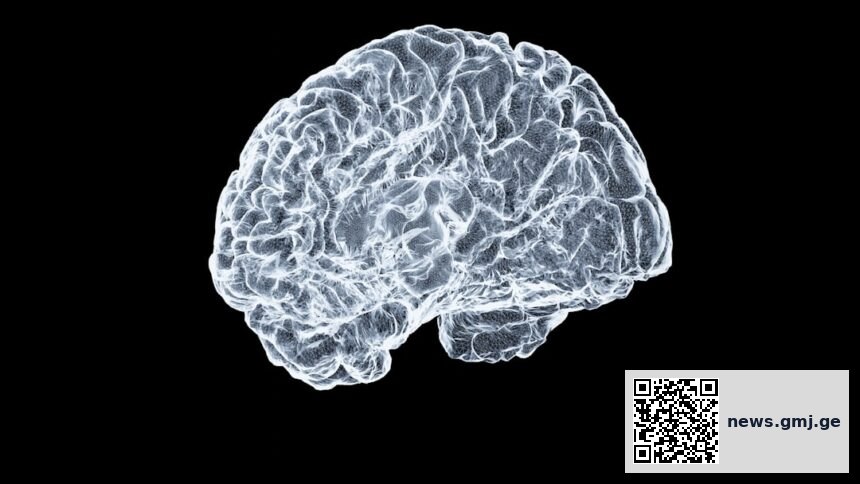
New neuroimaging research reveals that each pregnancy induces distinct patterns of brain rewiring, with a second pregnancy producing a fundamentally different neural signature than the first. The discovery, detailed in recent neuroscience research, suggests that understanding pregnancy-specific brain changes could improve recognition and management of peripartum depression and other maternal mental health conditions.
Key takeaways
- Each pregnancy produces unique patterns of brain structural changes, not a uniform effect across all pregnancies
- Second pregnancies show different neural rewiring than first pregnancies, indicating pregnancy-specific brain adaptation
- These findings could inform earlier detection and targeted treatment of peripartum depression and related mood disorders
- Understanding maternal brain plasticity may help distinguish normal pregnancy-related changes from pathological mental health conditions
Pregnancy-Induced Brain Changes: Individual Variation Across Pregnancies
Neural plasticity differs between first and second pregnancy, suggesting pregnancy-specific adaptation pathways
Source: Maternal Neuroscience Research, 2026 | Georgian Medical Journal News

How pregnancy rewires the maternal brain
Pregnancy is known to induce significant physiological changes in women’s bodies, but emerging evidence from neuroscience research demonstrates that the brain undergoes equally profound structural remodelling. Recent neuroimaging studies examining brain changes across multiple pregnancies reveal that this neural plasticity is not uniform—each pregnancy produces its own distinctive pattern of brain reorganization, according to research presented in 2026.
The discovery challenges the assumption that pregnancy’s effects on the brain follow a consistent template. Instead, researchers have documented that a woman’s second pregnancy produces a markedly different neurological signature compared to her first pregnancy. This finding adds nuance to our understanding of maternal neuroscience and raises important questions about how individual variation in brain adaptation may influence maternal mental health outcomes.
The neurobiology of recurrent pregnancy
The brain’s response to pregnancy involves complex changes in multiple neural systems, including regions associated with emotional processing, social cognition, and reward pathways. These adaptations are thought to facilitate maternal bonding and caregiving behaviours, but the mechanisms underlying pregnancy-specific changes remain incompletely understood. New evidence suggests that subsequent pregnancies may activate different neural circuits or modify existing ones in ways distinct from first-pregnancy changes.
This variation in neural response across pregnancies has significant clinical implications. If each pregnancy truly rewires the brain in its own way, then the risk profile for peripartum mental health conditions—including peripartum depression and anxiety—may differ between first and subsequent pregnancies. Understanding these pregnancy-specific neural patterns could allow clinicians to identify women at higher risk and tailor preventive interventions more precisely, making this research relevant to clinical practice and patient management strategies.
Every pregnancy rewires the brain in its own way, with a second pregnancy bringing a different pattern of changes than the first pregnancy, discoveries that could lead to better recognition and treatment of maternal mental health challenges including peripartum depression.
— Neuroimaging Research, 2026
Implications for peripartum mental health
Peripartum depression—depressive illness occurring during pregnancy or within four weeks of delivery—affects approximately 1 in 7 women, according to epidemiological data, yet remains underdiagnosed and undertreated in many settings. The discovery that pregnancy-specific brain changes differ between first and subsequent pregnancies suggests that clinicians may need to reassess their assumptions about peripartum mental health risk and presentation.
If brain rewiring patterns are truly distinct for each pregnancy, then a woman’s history of peripartum depression or anxiety in her first pregnancy may not predict her mental health trajectory in subsequent pregnancies with the same certainty. Conversely, new vulnerabilities might emerge with each pregnancy due to different neural adaptation patterns. This complexity underscores the importance of individualised assessment and monitoring across multiple pregnancies, and suggests that tailored prevention and treatment protocols may be needed for women planning additional pregnancies.
Future directions in maternal neuroscience research
The finding that pregnancy induces pregnancy-specific brain changes opens several avenues for future investigation. Researchers may next examine whether particular patterns of neural rewiring are protective against peripartum depression, or conversely, which patterns confer increased risk. Longitudinal neuroimaging studies following women across multiple pregnancies could establish more precise biomarkers for predicting who will develop peripartum mood and anxiety disorders.
Additionally, understanding the mechanisms driving pregnancy-specific neural plasticity could illuminate why some women experience peripartum mental health conditions while others do not, despite similar hormonal and social circumstances. This research also has relevance for global health efforts to improve maternal mental health detection and care, particularly in low-resource settings where peripartum depression often goes unrecognised. As neuroscience tools become more accessible, the integration of brain imaging into maternal health screening protocols may become feasible at scale.
What this means
Frequently asked questions
Why does pregnancy change the brain?
Pregnancy induces profound hormonal, immunological, and vascular changes that trigger adaptive neural plasticity. The brain must reorganise to support maternal behaviours, emotional processing, and bonding with the infant. These changes are thought to be evolutionarily conserved mechanisms that facilitate successful motherhood and infant survival.
Are pregnancy-related brain changes permanent?
Research suggests that many pregnancy-induced neural changes persist for months to years postpartum, though some normalisation may occur over time. However, the exact timeline and permanence of these changes remain incompletely understood. The discovery that each pregnancy produces distinct changes suggests that subsequent pregnancies may further modify the neural landscape in cumulative ways.
How can this research help prevent peripartum depression?
Understanding pregnancy-specific brain changes enables more precise identification of women at risk for peripartum depression. If particular neural patterns predict risk, brain imaging or biomarkers derived from this research could eventually inform screening and enable targeted preventive interventions—such as counselling, medication, or psychosocial support—delivered before symptoms emerge.
The recognition that every pregnancy rewires the brain in its own unique way represents a paradigm shift in maternal neuroscience and has immediate relevance for clinical practice. As neuroimaging studies continue to map the neural signatures of pregnancy across larger and more diverse populations, clinicians and policymakers will gain actionable insights into how to better support maternal mental health. Future research integrating neuroscience findings with clinical outcomes data could establish standardised protocols for pregnancy-specific risk assessment and preventive care, ultimately improving mental health outcomes for pregnant and postpartum women globally.
Source: Second pregnancy changes the brain in surprising new ways
Was this article helpful?
Disclaimer. This article is health journalism intended for general information and education. It is not medical advice and is not a substitute for professional diagnosis or treatment. Always consult a qualified healthcare provider about your individual circumstances. Full disclaimer →
Related Coverage




Editorial standards. This article was produced under the GMJ News editorial process, with oversight by the GMJ Editorial Board. Our editorial process. Spotted an error? Contact the editorial team.