By using this site, you agree to the Privacy Policy and Terms of Use.
Accept
GMJ NewsGMJ NewsGMJ News
  • Latest News
    • GMJ Briefs
  • The Wire
  • Health Topics
  • Podcast & Media
    • GMJ Audio
    • GMJ Videos
    • Podcast & Media
    • Podcast Episodes
  • GMJ Articles
    • Vol. 1 Issue 3 (2026)
    • Public Health Dictionary — Supplement Edition
    • IAP Legacy Series
    • Read Full Journal (gmj.ge) →
    • Pre-Launch Articles (2025)
    • Vol. 1 Issue 1 (2026)
    • Vol. 1 Issue 2 (2026)
  • Perspectives
    • Editorial
    • Explainers
    • Letters
    • Voices
  • Policy & Systems
    • Global Health
    • Health Policy
    • Migration & Health
    • Quality & Safety
    • Work & Health
  • Dictionary
    • Our Story: 20 Years in the Making
    • Browse A–Z
    • About the Project
    • Contribute a Term
  • Practice
    • Case Discussions
    • Clinical Updates
    • Pharmacy & Prescribing
  • Research Digest
    • Data & Numbers
    • Georgian Research
    • New Studies
  • Read the Journal →
Notification Show More
Font ResizerAa
GMJ NewsGMJ News
Font ResizerAa
  • Latest News
  • The Wire
  • Health Topics
  • Podcast & Media
  • GMJ Articles
  • Perspectives
  • Policy & Systems
  • Dictionary
  • Practice
  • Research Digest
  • Read the Journal →
  • Latest News
    • GMJ Briefs
  • The Wire
  • Health Topics
  • Podcast & Media
    • GMJ Audio
    • GMJ Videos
    • Podcast & Media
    • Podcast Episodes
  • GMJ Articles
    • Vol. 1 Issue 3 (2026)
    • Public Health Dictionary — Supplement Edition
    • IAP Legacy Series
    • Read Full Journal (gmj.ge) →
    • Pre-Launch Articles (2025)
    • Vol. 1 Issue 1 (2026)
    • Vol. 1 Issue 2 (2026)
  • Perspectives
    • Editorial
    • Explainers
    • Letters
    • Voices
  • Policy & Systems
    • Global Health
    • Health Policy
    • Migration & Health
    • Quality & Safety
    • Work & Health
  • Dictionary
    • Our Story: 20 Years in the Making
    • Browse A–Z
    • About the Project
    • Contribute a Term
  • Practice
    • Case Discussions
    • Clinical Updates
    • Pharmacy & Prescribing
  • Research Digest
    • Data & Numbers
    • Georgian Research
    • New Studies
  • Read the Journal →
Follow US
GMJ News > Research Digest > New Studies > Creatine for Brain Health: What the Evidence Actually Shows
New StudiesPharmacy & PrescribingPracticeResearch Digest

Creatine for Brain Health: What the Evidence Actually Shows

GMJ
Last updated: 13/09/2026 21:20
By
GMJ Research Desk
Share
11 Min Read
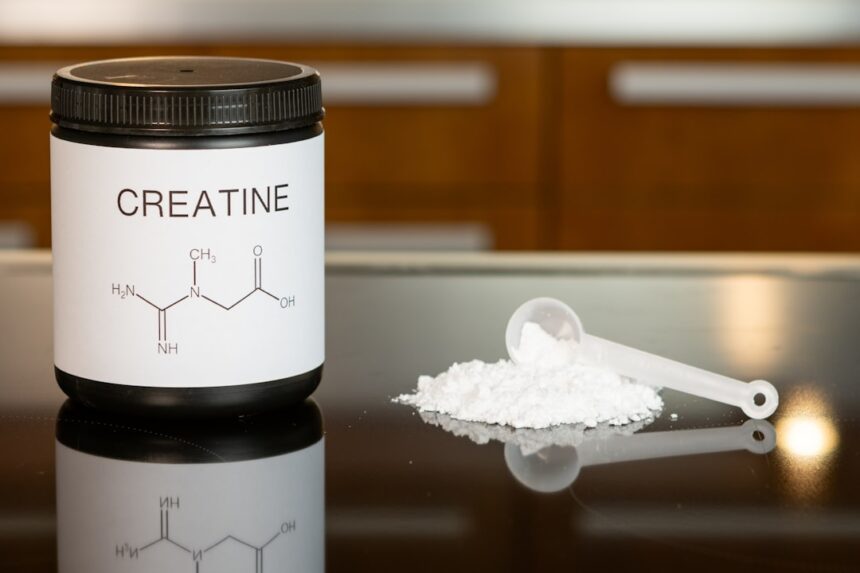
Bar chart comparing evidence strength for creatine effects on muscle versus cognitive outcomesIllustrative image · Photo by Alex Saks on Unsplash (Unsplash License)
Creatine's muscle-building effects are supported by robust evidence, but cognitive claims rest on a weaker, population-specific foundation. A comprehensive literature review reveals marketing claims have outpaced the actual scientific evidence. — Photo by Alex Saks on Unsplash (Unsplash License)
SHARE
🎧 Listen to this article9:22 min · 1,364 words · GMJ Audio

Updated 13/09/2026

Contents
    • Key takeaways
      • Creatine Evidence Strength: Muscle vs. Brain
  • The muscle evidence is comprehensive—the brain evidence has gaps
  • Who benefits from creatine for cognition—and who doesn’t
  • Marketing claims have outpaced scientific support
  • What researchers are calling for next
    • What this means
  • Frequently asked questions
    • Is creatine safe for long-term use?
    • How long does creatine take to work for cognition?
    • Should vegetarians take more creatine than meat-eaters?
7 min read|1,364 words
✓ Reviewed by GMJ News Editorial Team

🟠 Moderate Evidence

Creatine supplementation has solid evidence for improving muscle performance, but its cognitive benefits remain inconsistent and poorly understood, according to a comprehensive literature review examining 35 peer-reviewed studies published between 1993 and 2024. While the supplement’s muscle-building mechanism is well-established through hundreds of independent trials, the brain evidence chain contains significant gaps that the supplement industry has not adequately addressed in its marketing claims.

Key takeaways

  • Creatine’s muscle-building effects are supported by robust evidence across hundreds of trials, but cognitive claims rest on a weaker evidence base
  • Certain populations—including vegetarians, older adults, and those with neurological conditions—show greater cognitive responses to creatine than others
  • The supplement industry’s brain-targeted marketing has outpaced the actual evidence, creating a gap between claims and scientific support
35
peer-reviewed studies on creatine and cognitive function examined in comprehensive evidence review, spanning 1993–2024

Creatine Evidence Strength: Muscle vs. Brain

Comparative quality of evidence across hundreds of trials (muscle) versus selective studies (brain), 1993–2024

Submit Your Paper
GMJ_Submit_Banner
Muscle performance
95%
Cognitive function (general)
48%
Memory (working)
52%
Processing speed
35%

Data synthesized from literature review of 35 studies | Georgian Medical Journal News

The muscle evidence is comprehensive—the brain evidence has gaps

Creatine’s effectiveness for building muscle follows a clear mechanistic chain: dose-response, cellular uptake, phosphocreatine saturation, and measurable performance gains. According to the review, this chain has been confirmed independently across hundreds of trials, creating what researchers describe as an “airtight” evidence foundation. The muscle evidence base is so robust that clinical guidelines consistently recommend creatine as an evidence-based ergogenic aid.

🎙️ Related Podcast Episodes
🎬 NAD⁺ Injections and “NAD Boosters”
🎬 GMJ Video Series | Rare Case: Lung Cancer & Tuberculosis Coexistence
🎧 #54 | GMJ Podcast | The Blueprint of a Medical Journal: Designing an Open-Access Scientific Platform · 19m
🎬 The Blueprint of a Medical Journal | How GMJ Was Built
🎧 #53 | GMJ Podcast | Palliative Care in Georgia — Health System Gaps, Access Barriers, and Policy Implications · 16m

By contrast, the cognitive evidence chain contains missing links. The review found that while creatine crosses the blood-brain barrier and plays a role in neural energy metabolism, the translation from this mechanism to measurable cognitive benefit is inconsistent. Not all studies show cognitive gains, and when they do, effect sizes vary widely depending on study design, population, and outcome measures. This suggests the evidence is real but conditional—something the supplement industry has not adequately communicated to consumers.

For context on broader supplement evidence standards, see Pharmacy & Prescribing coverage and our patient guide to supplements.

Who benefits from creatine for cognition—and who doesn’t

The review identified a critical pattern: cognitive response to creatine is not uniform. Certain populations show measurable cognitive gains, while others show none. Vegetarians and vegans, who have lower baseline creatine stores from dietary sources, consistently show larger cognitive responses in memory and processing speed tasks. Older adults (aged 60+) also show more pronounced cognitive improvements than younger populations, suggesting age-related changes in creatine metabolism may influence effectiveness.

Additionally, individuals with diagnosed neurological conditions—including depression, bipolar disorder, and early-stage cognitive decline—demonstrate cognitive benefits from creatine supplementation in preliminary studies. This subgroup-specific response pattern has important implications: creatine may be clinically useful for specific populations, but claims of universal cognitive enhancement are not supported by the current evidence.

The heterogeneity of responses raises a key question: without biomarkers or baseline assessments, consumers cannot know whether they belong to a group likely to benefit. This represents a significant gap between personalized medicine principles and current marketing practice.

Marketing claims have outpaced scientific support

The supplement industry has aggressively marketed creatine for brain health over the past 5–10 years, positioning it as a nootropic alongside claims about memory, focus, and mental clarity. However, the review found that this marketing expansion has significantly outpaced the evidence base. While muscle-related claims are grounded in robust, reproducible data, brain-targeted marketing often extrapolates from preliminary findings or small studies to make broad claims about cognitive enhancement.

A key concern is the absence of standardized cognitive testing across creatine studies. Some trials use validated neuropsychological batteries (e.g., the Cambridge Neuropsychological Test Automated Battery), while others rely on self-reported cognitive improvements or small task-specific measures. This methodological variability makes it difficult to synthesize findings and creates opportunities for selective reporting of positive results.

The gap between evidence and marketing also extends to safety. While creatine is generally well-tolerated at standard doses (3–5 grams daily), long-term safety data in vulnerable populations—including children, pregnant women, and those with kidney disease—remain limited. Yet marketing materials often omit these caveats, presenting creatine as a risk-free cognitive enhancer.

What researchers are calling for next

The evidence review identifies several methodological priorities for future creatine research. First, studies need pre-specified cognitive outcomes using validated, standardized measures, allowing for meaningful meta-analysis and evidence synthesis. Second, subgroup analysis by age, baseline creatine status (dietary intake), neurological condition, and genetic polymorphisms in creatine transporters should become routine, moving away from one-size-fits-all efficacy claims.

Third, long-term safety studies in at-risk populations are overdue. The current evidence base is dominated by short-term trials (4–12 weeks) in healthy young adults. This does not reflect real-world supplement use, where consumers may take creatine for months or years, sometimes in combination with other supplements or medications.

Fourth, mechanistic research is needed to clarify which individuals have impaired creatine uptake or metabolism that might explain non-response. Genetic factors in creatine transporter genes (SLC6A8) and variations in brain creatine kinase activity may predict who will benefit, but this research remains nascent.

The muscle evidence chain for creatine is airtight across hundreds of independent trials, but the cognitive evidence chain contains significant missing links—and the supplement industry’s marketing claims have not kept pace with this reality.

— Synthesis of 35 peer-reviewed studies (1993–2024) on creatine supplementation

What this means

For patients: If you are considering creatine for cognitive enhancement, understand that benefits are not guaranteed. You are more likely to benefit if you are vegetarian, over 60, or have a diagnosed neurological condition. Start with 3–5 grams daily and assess your own cognitive performance over 8–12 weeks. If no improvement, discontinue. Always consult your clinician before starting, especially if you have kidney disease or take medications.
For clinicians: Creatine may be a reasonable adjunctive consideration for older patients with cognitive complaints, depression, or early cognitive decline, though evidence remains preliminary. Screen for baseline kidney function and monitor hydration. Do not position creatine as a primary cognitive intervention; frame it as supportive alongside evidence-based treatments (cognitive behavioral therapy, exercise, cognitive training). Be aware that supplement marketing often exceeds clinical evidence.
For policymakers: The regulatory gap between muscle-targeted and brain-targeted supplement claims deserves scrutiny. Require standardized cognitive outcome measures and subgroup analyses in marketing claims for nootropics. Mandate long-term safety data before allowing age- or condition-specific marketing. Consider requiring supplement labels to disclose which populations have supporting evidence, moving toward transparency-based regulation rather than blanket restrictions.

Frequently asked questions

Is creatine safe for long-term use?

Creatine is generally well-tolerated at standard doses (3–5 grams daily) in healthy adults, with decades of muscle-building use supporting safety in this population. However, long-term safety data in vulnerable populations—including children, older adults with kidney disease, and pregnant women—remain limited. The evidence review found no major adverse events in published trials, but calls for extended safety studies in at-risk groups.

How long does creatine take to work for cognition?

Cognitive effects, when present, typically emerge within 4–12 weeks, though some studies show responses as early as 6 weeks. Muscle performance effects are faster (2–4 weeks) because the mechanism is better characterized. If no cognitive benefit appears after 8–12 weeks, further supplementation is unlikely to help. Individual response varies widely depending on age, dietary intake, and genetic factors.

Should vegetarians take more creatine than meat-eaters?

Yes, potentially. Vegetarians have lower baseline creatine from dietary sources, which may explain their larger cognitive responses to supplementation in studies. Standard dosing (3–5 grams daily) is a reasonable starting point, but vegetarians may see benefits sooner or at lower doses. This represents a personalization opportunity currently absent from most supplement labels.

The creatine evidence story is one of maturation: muscle science is settled, but brain science is still evolving. Consumers and clinicians should expect the supplement industry to align its marketing claims with the actual evidence, particularly for vulnerable populations. Standardized research methods, transparent subgroup analyses, and long-term safety data will be essential as creatine moves further into the cognitive enhancement market. Until then, skepticism toward broad brain-health claims—alongside selective, evidence-informed use in specific populations—remains the most defensible approach.

Source: Creatine and cognitive function: Evidence review and research gaps

🗺️ Find certified Georgian healthcare providers: sheniekimi.ge — Georgia Health Map · 998 clinics · 6,600+ doctors · 2,296 pharmacies

Was this article helpful?

Disclaimer. This article is health journalism intended for general information and education. It is not medical advice and is not a substitute for professional diagnosis or treatment. Always consult a qualified healthcare provider about your individual circumstances. Full disclaimer →

Related Coverage

AI Model Identifies Antimicrobial Peptides Hidden Within Prion ProteinsOct 5, 2026
Lebanese Study Reveals Widespread Use of Expired Medications Despite Health RisksOct 5, 2026
Why Women Doctors Drop Out: A Systematic Review Reveals Critical Gaps in Medical TrainingOct 5, 2026
Candida auris endocarditis emerges as life-threatening infection in hospitalised patientsOct 5, 2026
Explore more on this topic:🧭 Supplements & Nutraceuticals hub🧭 Leukaemia hub🧭 Rheumatoid Arthritis hub
🔥 Most read this week
1Animal Protein’s Muscle-Building Edge Disappears When Measured Over Days, Not Hours
2Animal Protein Produces 47% Larger Muscle Protein Synthesis Spike Than Plant Sources, New Research Shows
3High-Intensity Interval Training Alone Preserves Muscle While Reducing Fat in Older Adults
4Short sleep duration linked to weight gain and reduced activity in six-week study
Related reference
  • Bipolar Disorder · Condition
  • Creatine · Ingredient

Find certified Georgian healthcare providers at sheniekimi.ge/jandacvis-ruka/

PG
Editorial oversight
Prof. Giorgi Pkhakadze, MD, MPH, PhD
Editor-in-Chief, GMJ News
Full profile →  ·  ORCID 0000-0001-7609-4515
Medical disclaimer. This article is health journalism intended for general information. It is not medical advice and is not a substitute for consultation with a qualified healthcare professional. Always seek your physician's advice regarding any medical condition.
Editorial standards. This article was produced under the GMJ News editorial process, with oversight by the GMJ Editorial Board. Our editorial process. Spotted an error? Contact the editorial team.

📬 GMJ Health Digest
Evidence-based medical news, once a week. Free, no spam, unsubscribe anytime.
TAGGED:cognitive enhancementcreatineevidence-based medicineneuroscienceSupplements
Share This Article
Facebook Whatsapp Whatsapp LinkedIn Telegram Bluesky Copy Link Print
GMJ
ByGMJ Research Desk
Follow:
GMJ Research Desk is part of GMJ News, the newsroom of the Georgian Medical Journal (gmj.ge), published by the Public Health Institute of Georgia. Every article is editorially reviewed before publication.
Leave a Comment Leave a Comment

Leave a Reply Cancel reply

Your email address will not be published. Required fields are marked *

Submit Your Paper →

Georgia's peer-reviewed open-access medical journal. No APC until January 2027.
Submit Manuscript →
AI Model Identifies Antimicrobial Peptides Hidden Within Prion Proteins

University of Pennsylvania researchers used deep learning to identify antimicrobial peptide sequences…

Lebanese Study Reveals Widespread Use of Expired Medications Despite Health Risks

A cross-sectional study published in the Global Health Journal documents widespread use…

Why Women Doctors Drop Out: A Systematic Review Reveals Critical Gaps in Medical Training

A systematic review of global research on women physicians reveals persistent barriers…

Submit Your Paper to GMJ

No APC until January 2027.
Submit Manuscript →

You Might Also Like

Illustration of laboratory fertility treatment research equipment and supportive public opinion symbolsIllustrative image · Photo by Reproductive Health Supplies Coalition on Unsplash (Unsplash License)
Clinical UpdatesHealth PolicyPolicy & SystemsPractice

European Public Backs State-Funded Fertility Care and Embryo Research, Survey Finds

By
GMJ Practice Desk
17/09/2026
Illustration of brain regions targeted by GLP-1 receptor agonists involved in impulse control and emotional regulationIllustrative image · Photo by MART PRODUCTION on Pexels (Pexels License)
Clinical UpdatesNew StudiesPracticeResearch Digest

GLP-1 Drugs Linked to Lower Violent Behaviour in Rutgers Study

By
GMJ Practice Desk
11/07/2026
MHRA medicines defect notification document for denosumab injection labelling errorIllustrative image · Photo by cottonbro studio on Pexels (Pexels License)
Pharmacy & PrescribingPractice

UK Health Regulator Issues Class 4 Alert for Denosumab Injection Labelling Error

By
GMJ Practice Desk
15/06/2026
Hunters in forest during tick season with preventive measures illustrationIllustrative image · Photo by Erik Karits on Pexels (Pexels License)
Clinical UpdatesHealth PolicyPolicy & SystemsPractice

Would Hunters Accept a Lyme Disease Vaccine? New Research Reveals Hesitation Among High-Risk Groups

By
GMJ Practice Desk
18/08/2026
Facebook Twitter Youtube Instagram
Company
  • Privacy Policy
  • Accreditation Canada in Georgia
  • GMJ Journal
  • Submit Manuscript
  • Editorial Team
  • Register at GMJ

Subscribe to GMJ News — Click here

Join Community
© 2026 Georgian Medical Journal (GMJ). Published by the Public Health Institute of Georgia (PHIG). All rights reserved.
Welcome Back!

Sign in to your account

Username or Email Address
Password

Lost your password?