By using this site, you agree to the Privacy Policy and Terms of Use.
Accept
GMJ NewsGMJ NewsGMJ News
  • Latest News
    • GMJ Briefs
  • Podcast & Media
    • Podcast Episodes
    • GMJ Audio
    • GMJ Videos
  • Research Digest
    • New Studies
    • Georgian Research
    • Data & Numbers
  • Policy & Systems
    • Health Policy
    • Quality & Safety
    • Migration & Health
    • Global Health
  • Practice
    • Clinical Updates
    • Case Discussions
    • Pharmacy & Prescribing
    • Ingredients A-Z
  • Perspectives
    • Editorial
    • Explainers
    • Voices
    • Letters
  • Health Topics
  • GMJ Articles
    • Vol. 1 Issue 2 (2026)
    • Vol. 1 Issue 1 (2026)
    • Pre-Launch Articles (2025)
  • Read the Journal →
  • About GMJ News
Notification Show More
Font ResizerAa
GMJ NewsGMJ News
Font ResizerAa
  • Latest News
    • GMJ Briefs
  • Podcast & Media
    • Podcast Episodes
    • GMJ Audio
    • GMJ Videos
  • Research Digest
    • New Studies
    • Georgian Research
    • Data & Numbers
  • Policy & Systems
    • Health Policy
    • Quality & Safety
    • Migration & Health
    • Global Health
  • Practice
    • Clinical Updates
    • Case Discussions
    • Pharmacy & Prescribing
    • Ingredients A-Z
  • Perspectives
    • Editorial
    • Explainers
    • Voices
    • Letters
  • Health Topics
  • GMJ Articles
    • Vol. 1 Issue 2 (2026)
    • Vol. 1 Issue 1 (2026)
    • Pre-Launch Articles (2025)
  • Read the Journal →
  • About GMJ News
Follow US
GMJ News > Practice > Clinical Updates > US 988 Crisis Line Relaunches LGBTQ+ Hotline Without Original Founding Partner
Clinical UpdatesHealth PolicyPolicy & SystemsPractice

US 988 Crisis Line Relaunches LGBTQ+ Hotline Without Original Founding Partner

GMJ
Last updated: 12/07/2026 13:29
By
GMJ Practice Desk
Share
8 Min Read
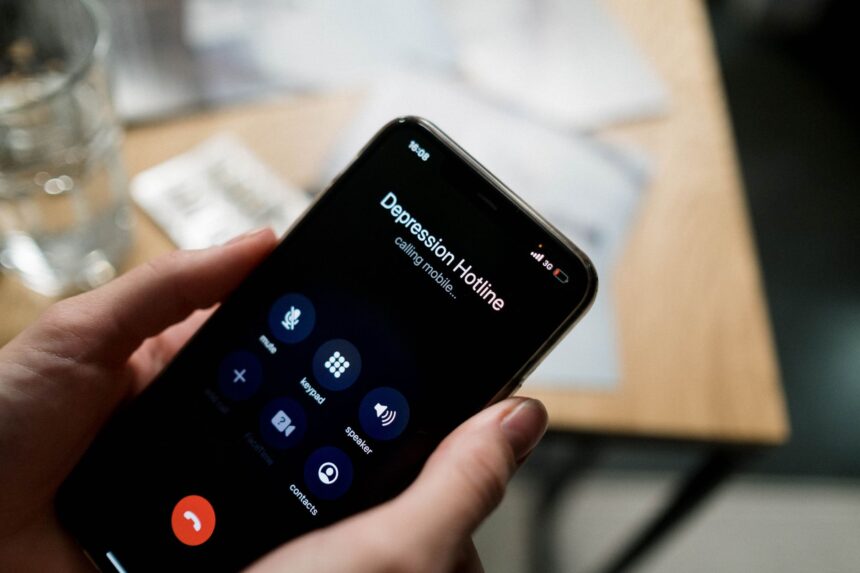
988 crisis line phone service infrastructure and LGBTQ+ support routingIllustrative image · Photo by Ron Lach on Pexels (Pexels License)
The Trump administration is relaunching a specialized LGBTQ+ crisis line option under the US 988 hotline, but The Trevor Project, which helped pioneer the service, is being excluded. The restructuring raises concerns about continuity of evidence-based, culturally competent care for one of the highest-risk populations seeking mental health support. — Photo by Ron Lach on Pexels (Pexels License)
SHARE
5 min read|1,058 words
✓ Reviewed by GMJ News Editorial Team

The Trump administration is moving to restart a specialized LGBTQ+ option within the United States’ 988 crisis line, but The Trevor Project, the organization that helped pioneer the service, is being excluded from the relaunched initiative. The decision raises questions about continuity of care for one of the most vulnerable populations using the national suicide prevention hotline.

Contents
    • Key takeaways
      • LGBTQ+ Crisis Service Timeline and Policy Shifts
  • The 988 Line: Origins and the Trevor Project’s Role
  • The Relaunch: Continuity Disrupted
  • Clinical and Public Health Implications
    • What this means
  • Forward Path and Unanswered Questions
  • Frequently asked questions
    • Why was The Trevor Project excluded from the relaunched 988 LGBTQ+ hotline?
    • Will the relaunched 988 LGBTQ+ hotline maintain the same level of service quality?
    • Can LGBTQ+ individuals still access The Trevor Project’s crisis services?

Key takeaways

  • The 988 crisis line, operational since 2022, originally included a specialized LGBTQ+ routing option developed with The Trevor Project
  • The Trump administration is restarting the LGBTQ+ hotline feature but without The Trevor Project’s involvement
  • The exclusion occurs amid broader policy shifts affecting LGBTQ+ health services and federal funding allocations
988
The three-digit crisis line number, launched nationally by the Substance Abuse and Mental Health Services Administration (SAMHSA) in July 2022, as part of a public health initiative to make mental health support more accessible

LGBTQ+ Crisis Service Timeline and Policy Shifts

Key milestones in the 988 crisis line’s LGBTQ+ support infrastructure, 2022–2026

2022
988 line launches nationally with LGBTQ+ routing
2024–2025
Partnership reassessment period
2026
Relaunch without original founding partner

Source: SAMHSA, 988 Suicide & Crisis Lifeline Program Records | Georgian Medical Journal News

The 988 Line: Origins and the Trevor Project’s Role

The 988 Suicide & Crisis Lifeline, operated by SAMHSA, was designed to provide accessible mental health crisis support by replacing the previous 10-digit National Suicide Prevention Lifeline. The service includes routing capabilities to connect callers with specialized support, including LGBTQ+-affirming counselors. The Trevor Project, founded in 1998 and the nation’s largest crisis service for LGBTQ+ youth, was instrumental in developing the LGBTQ+-specific routing infrastructure within the 988 system.

Submit Your Paper
GMJ_Submit_Banner

The original partnership reflected public health recognition that LGBTQ+ individuals, particularly youth, face disproportionate mental health risks. Research published in the American Journal of Public Health has documented elevated suicide attempt rates among LGBTQ+ adolescents compared to heterosexual and cisgender peers. This evidence base supported the initial design decision to embed LGBTQ+-affirming crisis routing into the national 988 system.

🎙️ Related Podcast Episodes
🎧 #17 | WHO: Global Population Requiring Trachoma Interventions Falls Below 100 Million · 16m
🎧 #16 | WHO Prequalifies New Oral Polio Vaccine to Strengthen Global Eradication Efforts · 20m
🎧 #10 | WHO Child-Friendly Cities: Safe and Inclusive Public Spaces for Children · 18m

LGBTQ+ youth report higher rates of suicidal ideation and attempts than their heterosexual and cisgender counterparts, making specialized crisis routing a public health priority rather than an optional service feature.

— Supporting literature cited by SAMHSA in 988 implementation guidance

The Relaunch: Continuity Disrupted

According to reporting from STAT News, the Trump administration has initiated a restart of the 988 LGBTQ+ service option but is structuring the relaunched initiative without The Trevor Project’s continued involvement. The specific reasons for excluding the original partner organization have not been publicly detailed by federal health officials, though the decision reflects broader policy realignments affecting LGBTQ+-focused federal health programs.

This approach contrasts with standard practice in public health service continuity, where founding partners typically remain integral to expanded or relaunched initiatives. The implications span clinical care coordination, training standards for crisis counselors, and data quality assurance—all functions The Trevor Project had established within the original 988 framework. See also: Health Policy coverage on federal health service restructuring.

Clinical and Public Health Implications

Disruption to established LGBTQ+ crisis infrastructure raises documented risks. Studies cited by the American Psychological Association show that LGBTQ+ individuals benefit from crisis support delivered by affirming, culturally competent counselors. Service gaps or transitions in provider networks can delay access to appropriate care during acute psychiatric emergencies.

The exclusion also raises questions about clinical training standards. The Trevor Project had developed specialized protocols for LGBTQ+-affirming de-escalation, trauma-informed care, and risk assessment. Whether replacement partners will maintain equivalent training rigor remains unclear. Clinicians and public health leaders emphasize that crisis line quality depends on consistent, evidence-based training across all provider networks. This concern echoes broader quality assurance debates in mental health service delivery.

What this means

For patients: LGBTQ+ youth and adults seeking crisis support should be aware that the relaunched 988 service structure may differ from previous routing. Individuals may benefit from also knowing direct contact information for The Trevor Project’s dedicated crisis line (1-866-488-7386), which will continue independent operation.
For clinicians: Mental health professionals should clarify with 988 operators the training, protocols, and supervision standards for LGBTQ+-affirming care in the relaunched system. Documentation of crisis encounter quality and follow-up coordination remains essential for continuity of care.
For policymakers: Service continuity and stakeholder retention are evidence-based practices in crisis line management. Federal health agencies should consider transparent communication about relaunch criteria and maintain engagement with organizations holding specialized expertise in vulnerable populations.

Forward Path and Unanswered Questions

The relaunched 988 LGBTQ+ hotline is expected to operationalize later in 2026, though specific launch dates have not been announced by SAMHSA. Key uncertainties remain: whether replacement partner organizations will have equivalent expertise in LGBTQ+ suicide prevention; whether historical data and protocols from The Trevor Project’s partnership will be transferred; and whether funding allocations will match previous service levels. Advocacy organizations and academic researchers in crisis intervention are monitoring the relaunch closely to assess whether service quality and accessibility are maintained for one of the populations at highest risk.

Frequently asked questions

Why was The Trevor Project excluded from the relaunched 988 LGBTQ+ hotline?

The Trump administration has not publicly disclosed specific reasons for restructuring the partnership. Federal officials have framed the relaunch as an operational reset, but detailed rationale for excluding the original founding partner remains opaque. Advocates and researchers have called for transparent communication about the decision criteria.

Will the relaunched 988 LGBTQ+ hotline maintain the same level of service quality?

This is an open question. Service quality depends on training, staffing, clinical protocols, and organizational expertise. Whether replacement partners will maintain The Trevor Project’s established standards for LGBTQ+-affirming crisis response is not yet documented in public health literature. Quality metrics should be monitored post-launch.

Can LGBTQ+ individuals still access The Trevor Project’s crisis services?

Yes. The Trevor Project operates independently and will continue providing crisis support via phone (1-866-488-7386), text, and online chat. The organization is not ceasing operations; rather, its formal partnership with the federal 988 system is being restructured.

The decision to relaunch the 988 LGBTQ+ hotline without its original founding partner marks a significant shift in how federal mental health infrastructure engages with community organizations. As the new system comes online, clinicians, public health officials, and LGBTQ+ advocacy groups will be monitoring whether continuity of care—and the evidence-based, culturally competent crisis response that The Trevor Project had established—are preserved or eroded.

Source: 988’s LGBTQ+ hotline to relaunch this year. But the group that helped start it might be excluded — STAT News

Was this article helpful?

Disclaimer. This article is health journalism intended for general information and education. It is not medical advice and is not a substitute for professional diagnosis or treatment. Always consult a qualified healthcare provider about your individual circumstances. Full disclaimer →

Related Coverage

Nigeria's Polio Campaign Reaches 33,000 Settlements, Vaccinating 1.2 Million Children in May 2026Aug 10, 2026
Burundi's first quarter 2026: refugees access care as WHO strengthens health partnershipsAug 10, 2026
Danish Medicines Agency Launches Cell Therapy Clinical Trial TemplateAug 10, 2026
UK's MHRA Launches Innovation Guidance to Accelerate Medical Device and Drug DevelopmentAug 10, 2026
Explore more on this topic:🧭 HIV/AIDS hub
🔥 Most read this week
1Why High-Dose Vitamin B12 Supplements Work Despite Poor Absorption
2Creatine Kidney Damage Myth Debunked by Major Safety Review of 26,000 Participants
3Magnesium Form May Not Matter for Cognitive Benefits, New Meta-Analysis Suggests
4Magnesium Supplements: Marketing Claims vs Scientific Evidence
Related reference
  • SAMe · Ingredient
PG
Editorial oversight
Prof. Giorgi Pkhakadze, MD, MPH, PhD
Editor-in-Chief, GMJ News
Full profile →  ·  ORCID 0000-0001-7609-4515
Medical disclaimer. This article is health journalism intended for general information. It is not medical advice and is not a substitute for consultation with a qualified healthcare professional. Always seek your physician's advice regarding any medical condition.
Editorial standards. This article was produced under the GMJ News editorial process, with oversight by the GMJ Editorial Board. Our editorial process. Spotted an error? Contact the editorial team.

📬 GMJ Health Digest
Evidence-based medical news, once a week. Free, no spam, unsubscribe anytime.
TAGGED:988-crisis-linecrisis-interventionLGBTQ healthmental-health-policypublic health
Share This Article
Facebook LinkedIn Bluesky Copy Link Print
GMJ
ByGMJ Practice Desk
Follow:
GMJ Practice Desk is part of GMJ News, the newsroom of the Georgian Medical Journal (gmj.ge), published by the Public Health Institute of Georgia. Every article is editorially reviewed before publication.
Leave a Comment Leave a Comment

Leave a Reply Cancel reply

Your email address will not be published. Required fields are marked *

Submit Your Paper →

Georgia's peer-reviewed open-access medical journal. No APC until January 2027.
Submit Manuscript →
Nigeria’s Polio Campaign Reaches 33,000 Settlements, Vaccinating 1.2 Million Children in May 2026

Nigeria's polio elimination campaign reached 33,000 settlements and vaccinated 1.2 million children…

Burundi’s first quarter 2026: refugees access care as WHO strengthens health partnerships

WHO's first-quarter 2026 report documents that over 65,000 Congolese refugees in Burundi…

Danish Medicines Agency Launches Cell Therapy Clinical Trial Template

The Danish Medicines Agency has released a standardized Investigator's Brochure template for…

Submit Your Paper to GMJ

No APC until January 2027.
Submit Manuscript →

You Might Also Like

Close-up of person rubbing irritated eyes, illustrating common but potentially harmful reflex behavior
Clinical UpdatesPractice

Eye Rubbing: When Normal Reflex Becomes Health Risk, Specialists Warn

By
GMJ Practice Desk
28/05/2026
Indigenous health researchers collaborating on community-led study design and data collectionIllustrative image · Photo by World Sikh Organization of Canada on Pexels (Pexels License)
Health PolicyPolicy & Systems

Indigenous-led health research essential for reconciliation in Canada

By
GMJ Policy Desk
05/07/2026
ICU patient in rooftop garden with medical equipment and natural surroundingsIllustrative image · Photo by Bunly Hort on Unsplash (Unsplash License)
Clinical UpdatesPractice

ICU Rooftop Gardens Show Promise for Critically Ill Patient Recovery

By
GMJ Practice Desk
14/06/2026
Illustration of brain energy metabolism and micronutrient pathways supporting neurotransmitter synthesisIllustrative image · Photo by Shawn Day on Unsplash (Unsplash License)
Clinical UpdatesExplainersPerspectivesPractice

Brain’s Energy Demands and Micronutrient Metabolism: What the Evidence Shows

By
GMJ Practice Desk
31/07/2026
Facebook Twitter Youtube Instagram
Company
  • Privacy Policy
  • Contact US
  • GMJ Journal
  • Submit Manuscript
  • Editorial Team
  • Register at GMJ
  • Terms of Use

Subscribe to GMJ News — Click here

Join Community
© 2026 Georgian Medical Journal (GMJ). Published by the Public Health Institute of Georgia (PHIG). All rights reserved.
Welcome Back!

Sign in to your account

Username or Email Address
Password

Lost your password?

Not a member? Sign Up