Updated 14/09/2026
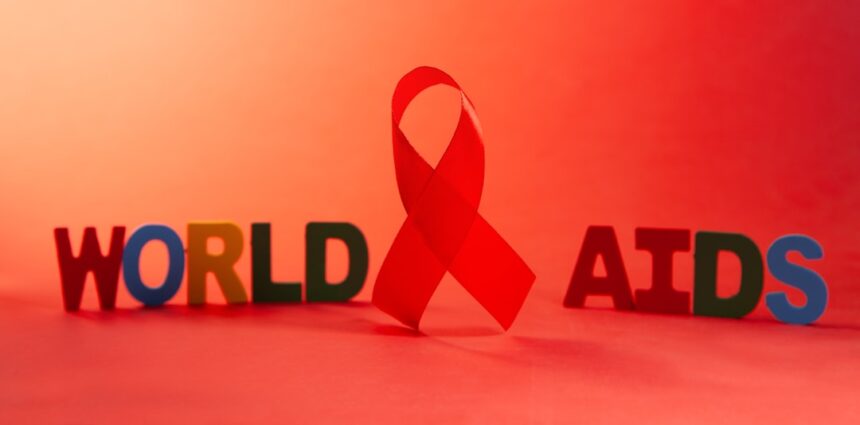
External funding cuts and a backlash against human rights are threatening to reverse decades of progress in the global AIDS response, according to a UNAIDS report released Friday. The warning comes as chronic under-investment in HIV prevention and community services undermines efforts to end the epidemic by 2030.
Key takeaways
- External funding cuts are threatening decades of HIV/AIDS progress globally
- Human rights backlash compounds challenges to HIV prevention programs
- Chronic under-investment in community services undermines epidemic response
Global HIV Response Challenges
Key threats to AIDS elimination efforts, 2026
Source: UNAIDS Global AIDS Update 2026 | Georgian Medical Journal News

External Funding Crisis Threatens Programs
The Joint United Nations Programme on HIV/AIDS (UNAIDS) report identifies external funding cuts as the primary threat to HIV/AIDS response programs worldwide. Donor countries have reduced their commitments at a critical juncture when sustained investment is needed to reach elimination targets.
This funding crisis particularly affects low- and middle-income countries that depend heavily on international support for their HIV programs. The reduction in external financing comes as domestic resources remain insufficient to fill the gap, creating what experts describe as a “perilous moment” for global health security.
Human Rights Backlash Compounds Challenges
Alongside funding cuts, a growing backlash against human rights is undermining HIV prevention efforts, according to the UNAIDS analysis. This trend particularly affects key populations most vulnerable to HIV infection, including men who have sex with men, sex workers, and people who inject drugs.
The human rights regression threatens to undo progress made in reducing stigma and discrimination, which have been crucial to successful HIV prevention and treatment programs. Community-based organizations that serve marginalized populations face particular pressure in this changing political climate.
Under-investment in Prevention Services
Chronic under-investment in HIV prevention and community services represents the third major threat identified in the report. Despite evidence showing the cost-effectiveness of prevention programs, these services continue to receive inadequate funding compared to treatment initiatives.
The current trajectory threatens to reverse years of hard-won progress in reducing new HIV infections and AIDS-related deaths globally
— UNAIDS Global AIDS Update 2026
Community Health Services">Community health services, which have proven essential for reaching vulnerable populations, face particular funding constraints. The World Health Organization has consistently emphasized that community-led responses are fundamental to achieving epidemic control.
Implications for 2030 Elimination Goals
These converging challenges cast doubt on the achievability of the global commitment to end AIDS as a public health threat by 2030. The United Nations Sustainable Development Goal 3 includes this target as part of broader health objectives.
Without immediate action to address funding gaps and protect human rights, the world risks seeing increases in new HIV infections and AIDS-related deaths after years of steady decline. This would represent a significant setback for global health and development efforts.
What this means
Frequently asked questions
What is causing the HIV/AIDS funding crisis?
External donor countries are reducing their financial commitments to HIV programs. This comes at a time when domestic resources in affected countries remain insufficient to replace international funding.
How does the human rights backlash affect HIV prevention?
Regression in human rights protections increases stigma and discrimination against key populations most vulnerable to HIV. This makes it harder to reach these groups with prevention and treatment services.
Can the 2030 AIDS elimination goal still be achieved?
The UNAIDS report suggests the goal is at risk given current trends. However, immediate action to address funding gaps and protect human rights could help get efforts back on track.
The international community faces a critical decision point in the fight against HIV/AIDS. Without renewed commitment to funding and human rights protection, decades of progress could be lost. The coming years will determine whether the world can overcome these challenges and achieve the goal of ending AIDS as a public health threat by 2030.
Source: ‘Perilous moment’ threatens to reverse years of gains in HIV/AIDS response
🗺️ Find certified Georgian healthcare providers: sheniekimi.ge — Georgia Health Map · 998 clinics · 6,600+ doctors · 2,296 pharmacies
Was this article helpful?
Disclaimer. This article is health journalism intended for general information and education. It is not medical advice and is not a substitute for professional diagnosis or treatment. Always consult a qualified healthcare provider about your individual circumstances. Full disclaimer →
Related Coverage


Editorial standards. This article was produced under the GMJ News editorial process, with oversight by the GMJ Editorial Board. Our editorial process. Spotted an error? Contact the editorial team.