By using this site, you agree to the Privacy Policy and Terms of Use.
Accept
GMJ NewsGMJ NewsGMJ News
  • Latest News
    • GMJ Briefs
  • Podcast & Media
    • Podcast Episodes
    • GMJ Audio
    • GMJ Videos
  • Research Digest
    • New Studies
    • Georgian Research
    • Data & Numbers
  • Policy & Systems
    • Health Policy
    • Quality & Safety
    • Migration & Health
    • Global Health
  • Practice
    • Clinical Updates
    • Case Discussions
    • Pharmacy & Prescribing
    • Ingredients A-Z
  • Perspectives
    • Editorial
    • Explainers
    • Voices
    • Letters
  • GMJ Articles
    • Vol. 1 Issue 2 (2026)
    • Vol. 1 Issue 1 (2026)
    • Pre-Launch Articles (2025)
  • Read the Journal →
  • About GMJ News
Notification Show More
Font ResizerAa
GMJ NewsGMJ News
Font ResizerAa
  • Latest News
    • GMJ Briefs
  • Podcast & Media
    • Podcast Episodes
    • GMJ Audio
    • GMJ Videos
  • Research Digest
    • New Studies
    • Georgian Research
    • Data & Numbers
  • Policy & Systems
    • Health Policy
    • Quality & Safety
    • Migration & Health
    • Global Health
  • Practice
    • Clinical Updates
    • Case Discussions
    • Pharmacy & Prescribing
    • Ingredients A-Z
  • Perspectives
    • Editorial
    • Explainers
    • Voices
    • Letters
  • GMJ Articles
    • Vol. 1 Issue 2 (2026)
    • Vol. 1 Issue 1 (2026)
    • Pre-Launch Articles (2025)
  • Read the Journal →
  • About GMJ News
Follow US
GMJ News > Research Digest > New Studies > Blocking Key Protein GPNMB Shows Promise in Halting Parkinson’s Disease Spread
New StudiesResearch Digest

Blocking Key Protein GPNMB Shows Promise in Halting Parkinson’s Disease Spread

GMJ
Last updated: 13/06/2026 10:46
By
GMJ Research Desk
Share
6 Min Read
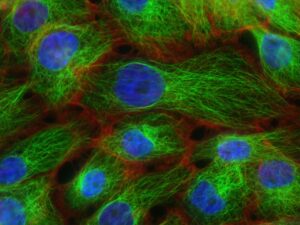
Scientific illustration showing GPNMB protein interaction between brain cells in Parkinson's disease researchIllustrative image · Photo by Tara Winstead on Pexels (Pexels License)
Scientists have identified GPNMB, a protein that helps Parkinson's disease spread through the brain by creating a destructive cycle between immune cells and neurons. Early antibody treatments successfully blocked this process in laboratory experiments. — Photo by Tara Winstead on Pexels (Pexels License)
SHARE
4 min read|804 words

Scientists have identified a protein that may be crucial to how Parkinson’s disease spreads through the brain, offering a potential new target for treatment. The protein GPNMB, released by immune cells in response to damaged neurons, creates a destructive cycle that accelerates brain cell death according to new research.

Contents
      • GPNMB Protein’s Role in Parkinson’s Progression
  • Immune System Creates Destructive Cycle
  • Antibody Treatment Shows Early Promise
  • Therapeutic Implications for Patient Care
  • Research Challenges and Next Steps
    • Key takeaways
  • Frequently asked questions
    • What makes GPNMB different from other Parkinson’s targets?
    • How long before GPNMB treatments reach patients?
    • Could GPNMB blocking help other brain diseases?
GPNMB
newly identified protein that helps Parkinson’s disease spread between brain cells

GPNMB Protein’s Role in Parkinson’s Progression

How the newly discovered protein creates a cycle of brain cell damage

Neuron damage triggers immune response
100%
Immune cells release GPNMB protein
85%
GPNMB spreads toxic proteins to healthy cells
70%
Healthy cells become damaged
60%
Antibody treatment blocks GPNMB

15%

Source: ScienceDaily Research Report, 2026 | Georgian Medical Journal News

Immune System Creates Destructive Cycle

The research reveals how the brain’s immune cells, called microglia, inadvertently contribute to Parkinson’s progression. When these cells encounter damaged neurons, they release GPNMB as part of their normal response to clear cellular debris.

Submit Your Paper
GMJ_Submit_Banner

However, this protective mechanism backfires in Parkinson’s disease. The GPNMB protein facilitates the transfer of toxic alpha-synuclein aggregates from damaged cells to healthy neighboring neurons, according to the study published on ScienceDaily. This creates a spreading pattern of damage that matches how Parkinson’s symptoms typically progress through different brain regions.

🎙️ Related Podcast Episodes
🎧 #12 | WHO and Global Regulators Promote Antibiotic Labelling to Combat Antimicrobial Resistance · 19m

The discovery helps explain why Parkinson’s disease follows predictable patterns as it advances, moving from one brain area to another rather than affecting the entire brain simultaneously. For more insights on emerging research findings, recent studies continue to uncover the molecular mechanisms driving neurodegenerative diseases.

Antibody Treatment Shows Early Promise

In laboratory experiments, researchers tested whether blocking GPNMB could prevent the spread of Parkinson’s pathology. Antibodies designed to neutralize the protein successfully stopped the toxic process from moving between cells in cell culture models.

The antibody treatment appeared to break the cycle by preventing GPNMB from facilitating the transfer of alpha-synuclein aggregates. This suggests that targeting GPNMB could potentially slow or halt disease progression if translated to human treatments.

While these results are preliminary, they represent a significant advance in understanding how Parkinson’s spreads through the brain. The National Institutes of Health has supported similar research into protein-targeting therapies for neurodegenerative diseases.

Therapeutic Implications for Patient Care

The identification of GPNMB opens new avenues for therapeutic intervention. Unlike current Parkinson’s treatments that primarily manage symptoms, targeting this protein could potentially address the underlying disease mechanism.

Current Parkinson’s therapies focus on replacing dopamine or stimulating remaining dopamine-producing cells. However, these approaches don’t prevent the continued loss of brain cells that drives disease progression over time.

A GPNMB-targeted therapy could theoretically be used alongside existing treatments to provide both symptom relief and disease modification. Researchers from leading institutions continue investigating similar approaches through clinical research programs focused on neuroprotective strategies.

Research Challenges and Next Steps

Moving from laboratory findings to human treatments requires extensive additional research. Scientists must determine the optimal way to deliver GPNMB-blocking antibodies to the brain, as the blood-brain barrier limits many therapeutic approaches.

Researchers also need to establish the safety profile of long-term GPNMB inhibition. Since this protein plays normal roles in immune function, blocking it could potentially have unintended consequences that require careful monitoring.

The FDA’s approval process for neurological therapies involves multiple phases of clinical testing to ensure both safety and efficacy. Similar protein-targeting approaches for other neurodegenerative diseases have shown mixed results in human trials despite promising laboratory data.

GPNMB protein released by immune cells creates a destructive cycle that helps Parkinson’s disease spread between brain neurons, but antibodies can block this toxic process in laboratory experiments.

— Research team, ScienceDaily (2026)

Key takeaways

  • GPNMB protein helps Parkinson’s disease spread from damaged neurons to healthy brain cells
  • Immune cells release this protein as part of their normal response to neuronal damage
  • Antibody treatments successfully blocked GPNMB and stopped disease spread in laboratory tests

Frequently asked questions

What makes GPNMB different from other Parkinson’s targets?

Unlike proteins involved in symptom generation, GPNMB directly facilitates how the disease spreads between brain cells. Blocking it could potentially slow disease progression rather than just managing symptoms.

How long before GPNMB treatments reach patients?

Translating laboratory findings to approved therapies typically requires 10-15 years of additional research and clinical testing. Safety studies and human trials must demonstrate both effectiveness and acceptable risk profiles.

Could GPNMB blocking help other brain diseases?

The protein appears in various neurodegenerative conditions where toxic proteins spread between cells. Research may investigate whether similar approaches could benefit Alzheimer’s disease or other related disorders.

The discovery of GPNMB’s role in Parkinson’s progression represents a significant advance in understanding how neurodegenerative diseases spread through the brain. While therapeutic applications remain years away, this research provides a promising new target for developing treatments that could modify disease course rather than simply managing symptoms. Continued investigation of protein-mediated disease transmission may yield additional targets for intervention across multiple neurological conditions.

Source: Researchers block key protein that helps Parkinson’s spread through the brain

Was this article helpful?

Disclaimer. This article is health journalism intended for general information and education. It is not medical advice and is not a substitute for professional diagnosis or treatment. Always consult a qualified healthcare provider about your individual circumstances. Full disclaimer →

Related Coverage

Brain Scans Reveal No Widespread Inflammation in Long COVID Patients, Challenging Previous TheoriesJun 14, 2026
Continued smoking before lung cancer surgery increases pulmonary complications but not short-term mortalityJun 14, 2026
International Study Links Restrained Sitting to Reduced Physical Activity in Preschool ChildrenJun 14, 2026
GLP-1 Drugs Show 30% Lower Breast Cancer Risk in Major StudyJun 13, 2026
PG
Written by
Prof. Giorgi Pkhakadze, MD, MPH, PhD
Editor-in-Chief, GMJ News
Full profile →
Medical disclaimer. This article is health journalism intended for general information. It is not medical advice and is not a substitute for consultation with a qualified healthcare professional. Always seek your physician's advice regarding any medical condition.
Medically reviewed by Prof. Giorgi Pkhakadze, MD, MPH, PhD. Spotted an error? Contact the editorial team.

Get the GMJ News digest
Evidence-based health journalism in your inbox. No spam; unsubscribe anytime.
TAGGED:antibody therapybrain researchGPNMB proteinneurodegenerationParkinson's disease
Share This Article
Facebook LinkedIn Bluesky Copy Link Print
GMJ
ByGMJ Research Desk
Follow:
GMJ Research Desk is part of GMJ News, the newsroom of the Georgian Medical Journal (gmj.ge), published by the Public Health Institute of Georgia. Every article is editorially reviewed before publication.
Leave a Comment Leave a Comment

Leave a Reply Cancel reply

Your email address will not be published. Required fields are marked *

Submit Your Paper →

Georgia's peer-reviewed open-access medical journal. No APC until January 2027.
Submit Manuscript →
Brain Scans Reveal No Widespread Inflammation in Long COVID Patients, Challenging Previous Theories

New brain imaging study finds no widespread inflammation in long COVID patients,…

Continued smoking before lung cancer surgery increases pulmonary complications but not short-term mortality

New research from University of Cincinnati shows lung cancer patients who continue…

International Study Links Restrained Sitting to Reduced Physical Activity in Preschool Children

International study involving 32 countries reveals that prolonged restrained sitting significantly impacts…

Submit Your Paper to GMJ

No APC until January 2027.
Submit Manuscript →

You Might Also Like

Chart showing taurine supplementation effects on metabolic health markers including blood pressure and cholesterol
New Studies

Taurine Supplementation Shows Measurable Benefits Across All Metabolic Health Markers

By
GMJ Research Desk
21/05/2026
Brain imaging visualization showing metabolic activity patterns in anxiety disorders research
New StudiesResearch Digest

Meta-Analysis Reveals First Biochemical Signature Common Across Multiple Anxiety Disorders

By
GMJ Research Desk
26/05/2026
Medical laboratory technician analyzing blood samples for multi-cancer early detection testing
New StudiesResearch Digest

Multi-cancer blood tests identify missed cancers in 20% of symptomatic patients, Lancet study finds

By
GMJ Research Desk
12/06/2026
Medical professional reviewing patient surveillance records with concern about ongoing monitoring burden
New Studies

The Hidden Cost of Risk: When Medical Vigilance Becomes a Disease Itself

By
GMJ Research Desk
21/05/2026
Facebook Twitter Youtube Instagram
Company
  • Privacy Policy
  • Contact US
  • GMJ Journal
  • Submit Manuscript
  • Editorial Team
  • Register at GMJ
  • Terms of Use

Subscribe to GMJ News — Click here

Join Community
© 2026 Georgian Medical Journal (GMJ). Published by the Public Health Institute of Georgia (PHIG). All rights reserved.
Welcome Back!

Sign in to your account

Username or Email Address
Password

Lost your password?

Not a member? Sign Up