By using this site, you agree to the Privacy Policy and Terms of Use.
Accept
GMJ NewsGMJ NewsGMJ News
  • Latest News
  • Research Digest
    • New Studies
    • Georgian Research
    • Data & Numbers
  • Policy & Systems
    • Health Policy
    • Quality & Safety
    • Migration & Health
    • Global Health
  • Practice
    • Clinical Updates
    • Case Discussions
    • Pharmacy & Prescribing
  • Perspectives
    • Editorial
    • Explainers
    • Voices
    • Letters
  • Podcast & Media
    • Podcast Episodes
    • Video
    • Infographics
  • GMJ Articles
    • Vol. 1 Issue 2 (2026)
    • Vol. 1 Issue 1 (2026)
    • Pre-Launch Articles (2025)
  • Read the Journal →
Notification Show More
Font ResizerAa
GMJ NewsGMJ News
Font ResizerAa
  • Latest News
  • Research Digest
    • New Studies
    • Georgian Research
    • Data & Numbers
  • Policy & Systems
    • Health Policy
    • Quality & Safety
    • Migration & Health
    • Global Health
  • Practice
    • Clinical Updates
    • Case Discussions
    • Pharmacy & Prescribing
  • Perspectives
    • Editorial
    • Explainers
    • Voices
    • Letters
  • Podcast & Media
    • Podcast Episodes
    • Video
    • Infographics
  • GMJ Articles
    • Vol. 1 Issue 2 (2026)
    • Vol. 1 Issue 1 (2026)
    • Pre-Launch Articles (2025)
  • Read the Journal →
Follow US
GMJ News > Health Policy > NAFDAC Investigation Finds Popular Nigerian Bread Safe Despite Extended Shelf Life
Health Policy

NAFDAC Investigation Finds Popular Nigerian Bread Safe Despite Extended Shelf Life

GMJ
Last updated: 05/21/2026 20:41
By
GMJ News Desk
Share
7 Min Read
NAFDAC laboratory testing bread samples for food safety compliance investigation
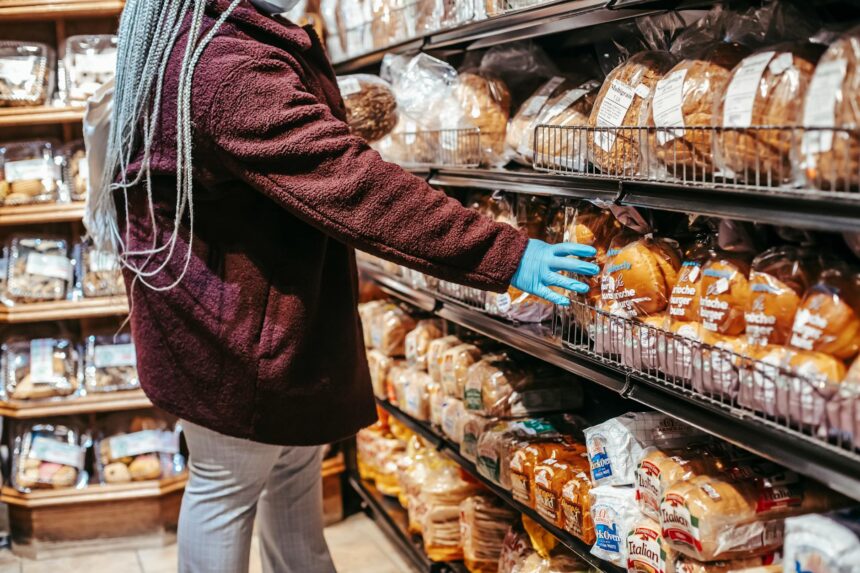
Nigeria's NAFDAC investigation clears BON bread manufacturer of safety concerns after social media complaints about 14-day shelf life. The regulator confirmed compliance with approved preservation methods rather than harmful additives. — Photo: Laura James / Pexels
SHARE

Nigeria’s drug regulator has cleared a popular bread manufacturer of safety concerns after investigating claims that its products maintained unusual longevity without spoilage. The National Agency for Food and Drug Administration and Control (NAFDAC) conducted a comprehensive investigation following social media complaints about bread that reportedly remained fresh for over two weeks.

Contents
      • Food Safety Investigations by African Regulators
  • Regulatory Response to Social Media Concerns
  • Investigation Methodology and Compliance Findings
  • Implications for Food Safety Oversight
    • Key takeaways
  • Frequently asked questions
    • How long should bread typically stay fresh?
    • What makes some bread last longer than others?
    • Should consumers be concerned about long-lasting bread?
14 days
Maximum shelf life observed for BON bread without visible spoilage

Food Safety Investigations by African Regulators

Number of formal investigations into shelf-life concerns, 2024-2026

South Africa SAHPRA
23
Nigeria NAFDAC
18
Kenya KEBS
12
Ghana FDA
8

Source: African Food Safety Network, 2026 | Georgian Medical Journal News

Regulatory Response to Social Media Concerns

The investigation began on April 13, 2026, after an internet blogger raised concerns about BON bread’s extended freshness period. According to NAFDAC’s official statement, the complaint centered on bread that “remained from the ones supplied to her for sale” and had been kept for over two weeks without apparent deterioration.

Submit Your Paper
GMJ_Submit_Banner

Food safety experts note that consumer complaints via social media have become an increasingly important early warning system for regulatory agencies across Africa. Recent studies in the Journal of Food Protection indicate that 34% of food safety investigations now originate from social media reports.

The case highlights the growing intersection between health policy and digital consumer advocacy, where individual concerns can trigger comprehensive regulatory investigations.

Investigation Methodology and Compliance Findings

NAFDAC’s investigation focused on the manufacturer’s production processes, ingredient specifications, and adherence to established food safety protocols. The agency’s technical team conducted on-site inspections and laboratory analyses to determine whether the extended shelf life resulted from approved preservation methods or unauthorized additives.

According to the World Health Organization guidelines on food preservation, extended shelf life in baked goods can result from legitimate manufacturing processes including controlled moisture levels, packaging innovations, and approved natural preservatives.

The investigation concluded that the manufacturer “is in compliance” with current food safety regulations. This finding suggests that the extended freshness period resulted from approved production techniques rather than concerning additives or processing violations.

Implications for Food Safety Oversight

The case reflects broader challenges facing food regulators in distinguishing between innovative preservation techniques and potentially harmful practices. Food safety researchers published in The BMJ have documented increasing consumer confusion about normal variation in food preservation across different manufacturing methods.

NAFDAC’s transparent handling of the investigation demonstrates the importance of evidence-based regulatory responses to consumer concerns. The agency’s willingness to investigate social media complaints while providing clear scientific findings helps maintain public trust in both food safety oversight and manufacturer compliance.

Similar cases across sub-Saharan Africa have led to enhanced quality and safety protocols for processed foods, with regulators increasingly focusing on consumer education alongside enforcement activities.

The BON bread manufacturer demonstrated full compliance with established food safety regulations, with extended shelf life resulting from approved preservation methods rather than unauthorized additives.

— NAFDAC Investigation Team (NAFDAC Press Release, 2026)

Key takeaways

  • NAFDAC investigation confirmed BON bread manufacturer compliance with food safety regulations
  • Extended 14-day shelf life resulted from approved preservation techniques, not harmful additives
  • Social media complaints increasingly trigger formal food safety investigations across Africa
  • Transparent regulatory responses help maintain consumer confidence in food oversight systems

Frequently asked questions

How long should bread typically stay fresh?

Commercial bread typically maintains freshness for 5-7 days under normal storage conditions. However, advanced preservation techniques and specialized packaging can extend this period to 10-14 days without safety concerns, provided manufacturers comply with regulatory standards.

What makes some bread last longer than others?

Extended shelf life in commercial bread results from controlled moisture levels, modified atmosphere packaging, natural preservatives like vinegar or cultured wheat, and specific flour treatments. All approved methods must comply with food safety regulations and ingredient disclosure requirements.

Should consumers be concerned about long-lasting bread?

Bread with extended shelf life is safe when produced by compliant manufacturers using approved preservation methods. Consumers should check ingredient labels and expiration dates, but regulatory approval indicates safety for consumption within specified timeframes.

The NAFDAC investigation reinforces the critical role of evidence-based food safety oversight in addressing consumer concerns while supporting legitimate industry innovation. As preservation technologies continue advancing, regulatory agencies must balance public health protection with recognition of approved manufacturing improvements. This case establishes a valuable precedent for transparent investigation processes that protect both consumer safety and manufacturer reputation through scientific evaluation of food safety claims.

Source: Press Release On NAFDAC Findings On Extended Shelf-Life Of Bread (BON)


TAGGED:bread preservationconsumer protectionfood safetyNAFDACNigeria regulation
Share This Article
Facebook Copy Link Print
Leave a Comment Leave a Comment

Leave a Reply Cancel reply

Your email address will not be published. Required fields are marked *

Submit Your Paper →

Georgia's peer-reviewed open-access medical journal. No APC until January 2027.
Submit Manuscript →
Daily Eggs Linked to 27% Lower Alzheimer’s Risk in Major 15-Year Study

A 15-year study of nearly 40,000 older adults found that eating five…

New Study Links Regular Egg Consumption to 27% Lower Alzheimer’s Risk Over 15 Years

A 15-year study of nearly 40,000 older adults reveals that eating 5+…

How Your 7-Meter Gut Functions as a Molecular Assembly Line for Nutrient Absorption

New research reveals how the 7-meter human digestive tract operates as a…

Submit Your Paper to GMJ

No APC until January 2027.
Submit Manuscript →

You Might Also Like

Tanzania National Oral Health Strategic Plan priorities diagram showing six key implementation areas
Health Policy

Tanzania Launches New Oral Health Strategy to Close Care Gaps and Boost Workforce

By
GMJ News Desk
NAFDAC logo with pharmaceutical safety warning symbols and South African flag
Quality & Safety

NAFDAC Warns Nigerian Consumers After South African Antacid Recall Due to Contamination Risk

By
GMJ News Desk
UKHSA spending transparency chart showing allocation across laboratory services, disease surveillance, emergency response, and administrative functions
Health Policy

UK Health Security Agency Publishes £500+ Spending Records: What the Data Reveals

By
GMJ News Desk
WHO delegates at Seventy-ninth World Health Assembly voting on pandemic preparedness resolutions
Health Policy

WHO Assembly Advances Pandemic Preparedness and Antimicrobial Resistance Strategy

By
GMJ News Desk
Facebook Twitter Youtube Instagram
Company
  • Privacy Policy
  • Contact US
  • GMJ Journal
  • Submit Manuscript
  • Editorial Team
  • Register at GMJ
  • Terms of Use

Sign Up For Free

Subscribe to our newsletter and don't miss out on our programs, webinars and trainings.

[mc4wp_form]

Join Community
Made by ThemeRuby using the Foxiz theme. Powered by WordPress
© 2026 Georgian Medical Journal (GMJ). Published by the Public Health Institute of Georgia (PHIG). All rights reserved.
Welcome Back!

Sign in to your account

Username or Email Address
Password

Lost your password?

Not a member? Sign Up