Updated 25/05/2026
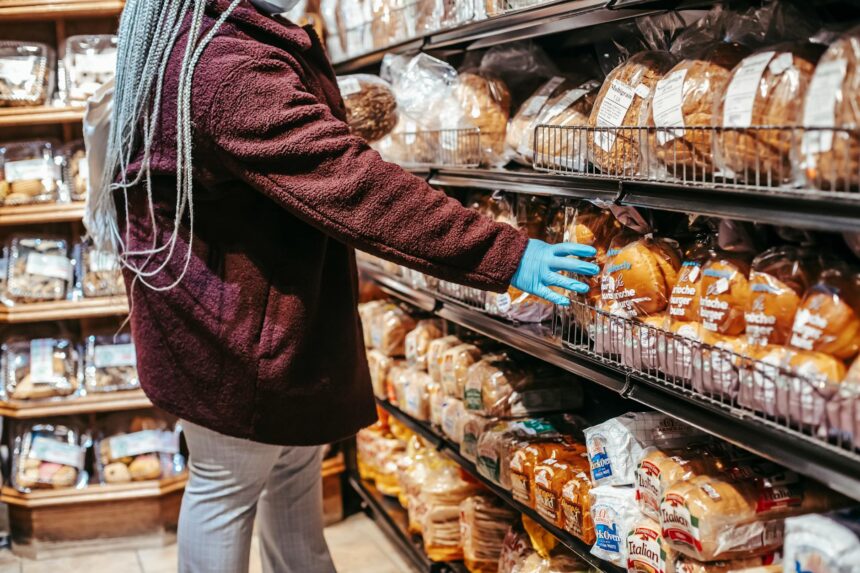
Nigeria’s drug regulator has cleared a popular bread manufacturer of safety concerns after investigating claims that its products maintained unusual longevity without spoilage. The National Agency for Food and Drug Administration and Control (NAFDAC) conducted a comprehensive investigation following social media complaints about bread that reportedly remained fresh for over two weeks.
Regulatory Response to Social Media Concerns
The investigation began on April 13, 2026, after an internet blogger raised concerns about BON bread’s extended freshness period. According to NAFDAC’s official statement, the complaint centered on bread that “remained from the ones supplied to her for sale” and had been kept for over two weeks without apparent deterioration.
The case highlights the growing intersection between health policy and digital consumer advocacy, where individual concerns can trigger comprehensive regulatory investigations.

Investigation Methodology and Compliance Findings
NAFDAC’s investigation focused on the manufacturer’s production processes, ingredient specifications, and adherence to established food safety protocols. The agency’s technical team conducted on-site inspections and laboratory analyses to determine whether the extended shelf life resulted from approved preservation methods or unauthorized additives.
The investigation concluded that the manufacturer “is in compliance” with current food safety regulations. This finding suggests that the extended freshness period resulted from approved production techniques rather than concerning additives or processing violations.
NAFDAC’s transparent handling of the investigation demonstrates the importance of evidence-based regulatory responses to consumer concerns. The agency’s willingness to investigate social media complaints while providing clear scientific findings helps maintain public trust in both food safety oversight and manufacturer compliance.
Similar cases across sub-Saharan Africa have led to enhanced quality and safety protocols for processed foods, with regulators increasingly focusing on consumer education alongside enforcement activities.
The BON bread manufacturer demonstrated full compliance with established food safety regulations, with extended shelf life resulting from approved preservation methods rather than unauthorized additives.
— NAFDAC Investigation Team (NAFDAC Press Release, 2026)
Key takeaways
- NAFDAC investigation confirmed BON bread manufacturer compliance with food safety regulations
- Extended 14-day shelf life resulted from approved preservation techniques, not harmful additives
- Social media complaints increasingly trigger formal food safety investigations across Africa
- Transparent regulatory responses help maintain consumer confidence in food oversight systems
Frequently asked questions
How long should bread typically stay fresh?
Commercial bread typically maintains freshness for 5-7 days under normal storage conditions. However, advanced preservation techniques and specialized packaging can extend this period to 10-14 days without safety concerns, provided manufacturers comply with regulatory standards.
What makes some bread last longer than others?
Extended shelf life in commercial bread results from controlled moisture levels, modified atmosphere packaging, natural preservatives like vinegar or cultured wheat, and specific flour treatments. All approved methods must comply with food safety regulations and ingredient disclosure requirements.
Should consumers be concerned about long-lasting bread?
Bread with extended shelf life is safe when produced by compliant manufacturers using approved preservation methods. Consumers should check ingredient labels and expiration dates, but regulatory approval indicates safety for consumption within specified timeframes.
The NAFDAC investigation reinforces the critical role of evidence-based food safety oversight in addressing consumer concerns while supporting legitimate industry innovation. As preservation technologies continue advancing, regulatory agencies must balance public health protection with recognition of approved manufacturing improvements. This case establishes a valuable precedent for transparent investigation processes that protect both consumer safety and manufacturer reputation through scientific evaluation of food safety claims.
Source: Press Release On NAFDAC Findings On Extended Shelf-Life Of Bread (BON)
Was this article helpful?
Disclaimer. This article is health journalism intended for general information and education. It is not medical advice and is not a substitute for professional diagnosis or treatment. Always consult a qualified healthcare provider about your individual circumstances. Full disclaimer →
Related Coverage



Editorial standards. This article was produced under the GMJ News editorial process, with oversight by the GMJ Editorial Board. Our editorial process. Spotted an error? Contact the editorial team.