Updated 13/09/2026
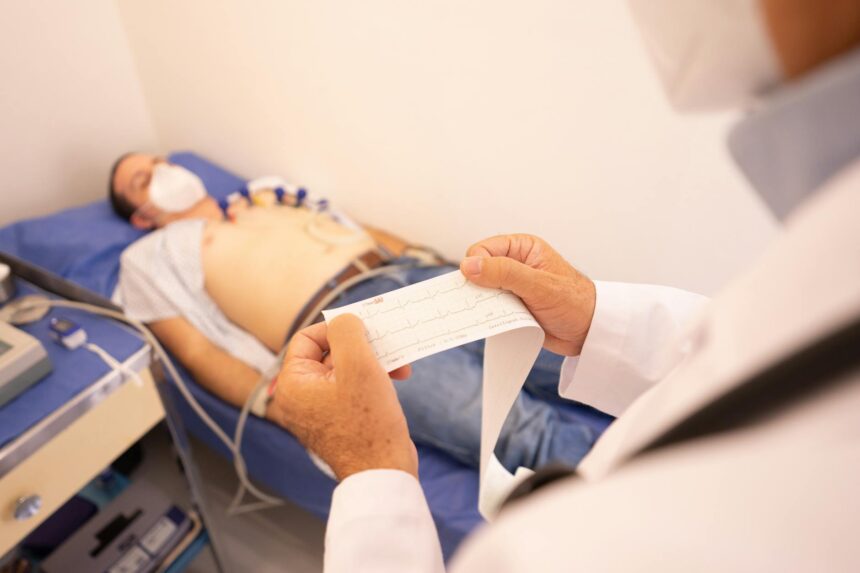
Testosterone production isn’t triggered by gym workouts or dietary supplements—it’s controlled by a sophisticated brain-gonad circuit that responds to energy status, stress levels, and sleep quality. Understanding this hormonal control system reveals why endocrine feedback loops are crucial for both clinicians and patients seeking to optimize hormone health.
The Testosterone Control Circuit
Key components of the hypothalamic-pituitary-gonadal axis
Source: Endocrine system physiology | Georgian Medical Journal News

Brain Controls Hormone Production
The hypothalamus serves as the master regulator of testosterone production, sensing multiple physiological inputs including energy availability, stress hormones, and circadian rhythms. The system operates through gonadotropin-releasing hormone (GnRH) pulses that must occur in precise patterns for normal testosterone synthesis. For comprehensive coverage of hormone research, visit our clinical updates section.
Chronic stress and sleep deprivation can suppress the signal at the top of this axis, explaining why lifestyle factors often have more impact on hormone levels than exercise alone.
Pituitary Translates Brain Signals
The pituitary gland responds to hypothalamic GnRH by releasing luteinizing hormone (LH) and follicle-stimulating hormone (FSH), but these are instruction molecules rather than testosterone itself. LH specifically targets Leydig cells in the testes, while FSH supports sperm development through Sertoli cell activation.
The system includes built-in limits—rising testosterone levels trigger negative feedback that reduces further hormone synthesis. Our research digest tracks emerging findings in reproductive endocrinology.
Feedback Loops Maintain Balance
Sertoli cells release inhibin when sperm development is sufficient, creating a secondary feedback mechanism that modulates the entire axis. This dual-feedback system—testosterone and inhibin—ensures reproductive function remains balanced rather than simply maximized.
This regulatory network prioritizes homeostasis over performance. The body protects balance before performance, sacrificing testosterone production to maintain energy balance during periods of metabolic stress or illness.
Clinical Implications for Hormone Health
Understanding this control system helps explain why testosterone replacement therapy requires careful monitoring and why lifestyle interventions targeting sleep, stress, and metabolic health often prove more effective than supplements. External testosterone suppresses natural production through feedback inhibition.
Energy deficiency, whether from excessive exercise, caloric restriction, or chronic illness, consistently suppresses the hypothalamic-pituitary-gonadal axis at its origin point. This emphasizes the importance of addressing root causes rather than treating hormone levels in isolation.
Key takeaways
- Testosterone production requires coordinated signaling between hypothalamus, pituitary, and testes through precise GnRH pulses
- Chronic stress and sleep loss suppress hormone production at the brain level
- Negative feedback loops ensure testosterone levels remain balanced rather than maximized
- Lifestyle factors affecting energy status and stress have greater impact than exercise on natural hormone production
- Hormones are regulated, not “boosted”
- Endocrinology is control theory, not hype
Frequently asked questions
Can exercise alone significantly boost testosterone levels?
While exercise may have temporary effects, long-term testosterone levels depend primarily on the hypothalamic-pituitary-gonadal axis function. The body protects balance before performance, and excessive stress can suppress the system.
Why do stress and poor sleep affect testosterone production?
The hypothalamus senses energy status, stress, and sleep when determining GnRH pulse patterns. Sleep loss and chronic stress can suppress the signal at the top of the hormonal control system.
How does testosterone replacement therapy affect natural production?
External testosterone triggers negative feedback that suppresses the natural brain-gonad circuit. Rising testosterone signals the brain to dial production down, demonstrating how the feedback system maintains balance.
Understanding these control mechanisms offers approaches to hormone health that work with the body’s regulatory systems rather than against them. Testosterone represents a conversation between brain and body—if you don’t understand the system, you end up chasing symptoms instead of signals.
Source: Testosterone isn’t made in the gym
{“@context”:”https://schema.org”,”@type”:”FAQPage”,”mainEntity”:[{“@type”:”Question”,”name”:”Can exercise alone significantly boost testosterone levels?”,”acceptedAnswer”:{“@type”:”Answer”,”text”:”While exercise may have temporary effects, long-term testosterone levels depend primarily on the hypothalamic-pituitary-gonadal axis function. The body protects balance before performance, and excessive stress can suppress the system.”}},{“@type”:”Question”,”name”:”Why do stress and poor sleep affect testosterone production?”,”acceptedAnswer”:{“@type”:”Answer”,”text”:”The hypothalamus senses energy status, stress, and sleep when determining GnRH pulse patterns. Sleep loss and chronic stress can suppress the signal at the top of the hormonal control system.”}},{“@type”:”Question”,”name”:”How does testosterone replacement therapy affect natural production?”,”acceptedAnswer”:{“@type”:”Answer”,”text”:”External testosterone triggers negative feedback that suppresses the natural brain-gonad circuit. Rising testosterone signals the brain to dial production down, demonstrating how the feedback system maintains balance.”}}]}
🗺️ Find certified Georgian healthcare providers: sheniekimi.ge — Georgia Health Map · 998 clinics · 6,600+ doctors · 2,296 pharmacies
Was this article helpful?
Disclaimer. This article is health journalism intended for general information and education. It is not medical advice and is not a substitute for professional diagnosis or treatment. Always consult a qualified healthcare provider about your individual circumstances. Full disclaimer →
Related Coverage


Editorial standards. This article was produced under the GMJ News editorial process, with oversight by the GMJ Editorial Board. Our editorial process. Spotted an error? Contact the editorial team.