By using this site, you agree to the Privacy Policy and Terms of Use.
Accept
GMJ NewsGMJ NewsGMJ News
  • Latest News
  • Research Digest
    • New Studies
    • Georgian Research
    • Data & Numbers
  • Policy & Systems
    • Health Policy
    • Quality & Safety
    • Migration & Health
    • Global Health
  • Practice
    • Clinical Updates
    • Case Discussions
    • Pharmacy & Prescribing
  • Perspectives
    • Editorial
    • Explainers
    • Voices
    • Letters
  • Podcast & Media
    • Podcast Episodes
    • Video
    • Infographics
  • GMJ Articles
    • Vol. 1 Issue 2 (2026)
    • Vol. 1 Issue 1 (2026)
    • Pre-Launch Articles (2025)
  • Read the Journal →
Notification Show More
Font ResizerAa
GMJ NewsGMJ News
Font ResizerAa
  • Latest News
  • Research Digest
    • New Studies
    • Georgian Research
    • Data & Numbers
  • Policy & Systems
    • Health Policy
    • Quality & Safety
    • Migration & Health
    • Global Health
  • Practice
    • Clinical Updates
    • Case Discussions
    • Pharmacy & Prescribing
  • Perspectives
    • Editorial
    • Explainers
    • Voices
    • Letters
  • Podcast & Media
    • Podcast Episodes
    • Video
    • Infographics
  • GMJ Articles
    • Vol. 1 Issue 2 (2026)
    • Vol. 1 Issue 1 (2026)
    • Pre-Launch Articles (2025)
  • Read the Journal →
Follow US
GMJ News > Practice > Clinical Updates > How the Brain Controls Testosterone Production Through Complex Feedback Systems
Clinical Updates

How the Brain Controls Testosterone Production Through Complex Feedback Systems

GMJ
Last updated: 05/22/2026 20:55
By
GMJ News Desk
Share
7 Min Read
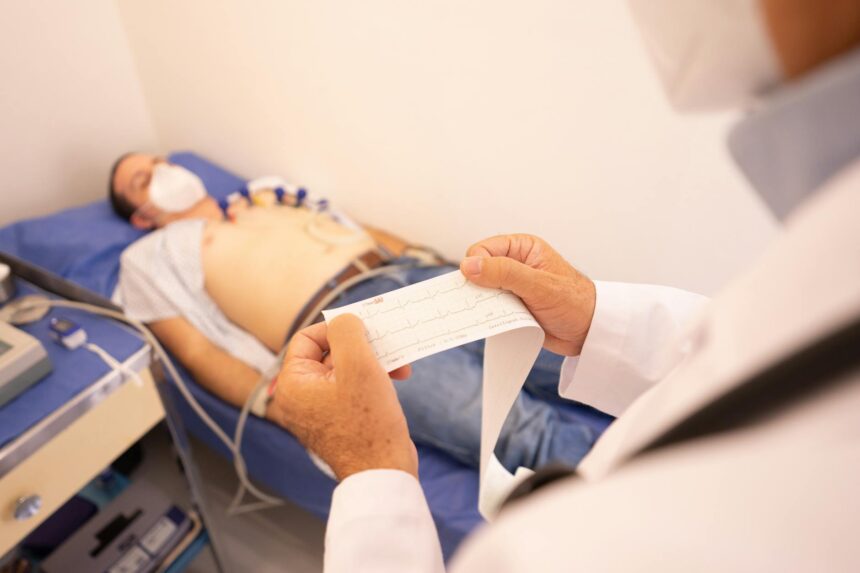
Diagram showing the hypothalamic-pituitary-gonadal axis testosterone control system
Testosterone production is controlled by a complex brain-gonad feedback system, not gym workouts. New research reveals how the hypothalamic-pituitary-gonadal axis regulates hormone levels through precise signaling between four key organs. — Photo: Los Muertos Crew / Pexels
SHARE

Testosterone production isn’t triggered by gym workouts or dietary supplements—it’s controlled by a sophisticated brain-gonad circuit that responds to energy status, stress levels, and sleep quality. New insights into this hormonal control system reveal why understanding endocrine feedback loops is crucial for both clinicians and patients seeking to optimize hormone health.

Contents
      • The Testosterone Control Circuit
  • Brain Controls Hormone Production
  • Pituitary Translates Brain Signals
  • Feedback Loops Maintain Balance
  • Clinical Implications for Hormone Health
    • Key takeaways
  • Frequently asked questions
    • Can exercise alone significantly boost testosterone levels?
    • Why do stress and poor sleep affect testosterone more than diet?
    • How does testosterone replacement therapy affect natural production?
4 key organs
work together in the hypothalamic-pituitary-gonadal axis to regulate testosterone

The Testosterone Control Circuit

Key components of the hypothalamic-pituitary-gonadal axis

Hypothalamus (GnRH pulse control)
Primary control
Pituitary (LH/FSH release)
Signal relay
Leydig cells (testosterone production)
Hormone synthesis
Sertoli cells (feedback regulation)

Inhibin release

Source: Endocrine system physiology | Georgian Medical Journal News

Brain Controls Hormone Production

The hypothalamus serves as the master regulator of testosterone production, sensing multiple physiological inputs including energy availability, stress hormones, and circadian rhythms. Research published in Endocrine Reviews demonstrates that gonadotropin-releasing hormone (GnRH) pulses must occur in precise patterns for normal testosterone synthesis.

Submit Your Paper
GMJ_Submit_Banner

Chronic stress and sleep deprivation can suppress GnRH pulsatility within days, according to studies in Journal of Clinical Endocrinology & Metabolism. This explains why lifestyle factors often have more impact on hormone levels than exercise alone. For comprehensive coverage of hormone research, visit our clinical updates section.

Pituitary Translates Brain Signals

The pituitary gland responds to hypothalamic GnRH by releasing luteinizing hormone (LH) and follicle-stimulating hormone (FSH), but these are instruction molecules rather than testosterone itself. LH specifically targets Leydig cells in the testes, while FSH supports sperm development through Sertoli cell activation.

Data from Nature Reviews Endocrinology show that LH pulse frequency and amplitude directly correlate with testosterone production rates. However, the system includes built-in limits—rising testosterone levels trigger negative feedback that reduces further hormone synthesis. Our research digest tracks emerging findings in reproductive endocrinology.

Feedback Loops Maintain Balance

Sertoli cells release inhibin when sperm production reaches optimal levels, creating a secondary feedback mechanism that modulates the entire axis. This dual-feedback system—testosterone and inhibin—ensures reproductive function remains balanced rather than simply maximized.

According to research in Physiological Reviews, this regulatory network prioritizes homeostasis over performance. The body will sacrifice testosterone production to maintain energy balance during periods of metabolic stress or illness.

Clinical Implications for Hormone Health

Understanding this control system helps explain why testosterone replacement therapy requires careful monitoring and why lifestyle interventions targeting sleep, stress, and metabolic health often prove more effective than supplements. Studies published in The Lancet Diabetes & Endocrinology demonstrate that external testosterone suppresses natural production through feedback inhibition.

Energy deficiency, whether from excessive exercise, caloric restriction, or chronic illness, consistently suppresses the hypothalamic-pituitary-gonadal axis at its origin point. This research emphasizes the importance of addressing root causes rather than treating hormone levels in isolation.

The hypothalamic-pituitary-gonadal axis functions as a tightly regulated control system that prioritizes metabolic stability over hormone optimization, with feedback loops preventing excessive testosterone production.

— Dr. Richard Quinton, Newcastle University (Clinical Endocrinology, 2022)

Key takeaways

  • Testosterone production requires coordinated signaling between hypothalamus, pituitary, and testes through precise GnRH pulses
  • Chronic stress and sleep loss suppress hormone production at the brain level within days
  • Negative feedback loops ensure testosterone levels remain balanced rather than maximized
  • Lifestyle factors affecting energy status and stress have greater impact than exercise on natural hormone production

Frequently asked questions

Can exercise alone significantly boost testosterone levels?

While acute exercise can temporarily increase testosterone, long-term levels depend primarily on the hypothalamic-pituitary-gonadal axis function. Excessive exercise without adequate recovery can actually suppress testosterone through metabolic stress pathways.

Why do stress and poor sleep affect testosterone more than diet?

The hypothalamus directly monitors stress hormones and circadian signals, using this information to adjust GnRH pulse frequency. Sleep loss and chronic stress suppress GnRH release within the brain before dietary factors can influence peripheral hormone production.

How does testosterone replacement therapy affect natural production?

External testosterone triggers negative feedback that suppresses natural GnRH and LH production, often leading to testicular atrophy and reduced fertility. This demonstrates why the feedback system treats all testosterone sources equally when maintaining hormonal balance.

Future research in reproductive endocrinology will likely focus on optimizing the natural feedback systems rather than overriding them. Understanding these control mechanisms offers more sustainable approaches to hormone health that work with the body’s regulatory systems rather than against them.

Source: Testosterone isn't made in the gym


TAGGED:endocrine systemhormone regulationhypothalamusreproductive healthtestosterone
Share This Article
Facebook Copy Link Print
Leave a Comment Leave a Comment

Leave a Reply Cancel reply

Your email address will not be published. Required fields are marked *

Submit Your Paper →

Georgia's peer-reviewed open-access medical journal. No APC until January 2027.
Submit Manuscript →
Short Sleep Triggers Persistent Inflammation That Raises Heart Disease Risk by 34%

Laboratory research reveals that five nights of four-hour sleep increases inflammatory markers…

Major Study Links Five Male Hormones to Mortality Risk Beyond Testosterone

The largest testosterone-mortality study analyzing 255,830 person-years reveals DHT and SHBG are…

Brain’s Hidden Cleanup System Works Around the Clock to Prevent Neurodegeneration

New research reveals how the brain's glymphatic system operates 24/7 to remove…

Submit Your Paper to GMJ

No APC until January 2027.
Submit Manuscript →

You Might Also Like

Infographic showing sleep duration recommendations by age group with statistics on American sleep patterns
Clinical Updates

One Third of US Adults Don’t Get Recommended Sleep: Evidence-Based Guide to Sleep Optimization

By
GMJ News Desk
FDA medical device alert notice for TRUE METRIX blood glucose monitor
Clinical Updates

FDA Issues Correction Notice for TRUE METRIX Blood Glucose Monitors Over Error Code Risk

By
GMJ News Desk
Medical illustration of thoracic stent graft deployment mechanism showing unclasp failure
Clinical Updates

Bolton Medical Recalls Relay Pro Thoracic Stent Grafts Over Deployment Failure Risk

By
GMJ News Desk
Clinical laboratory showing advanced cell and gene therapy preparation in a controlled environment
Clinical Updates

New guidance on advanced therapy clinical trials: What researchers need to know

By
GMJ News Desk
Facebook Twitter Youtube Instagram
Company
  • Privacy Policy
  • Contact US
  • GMJ Journal
  • Submit Manuscript
  • Editorial Team
  • Register at GMJ
  • Terms of Use

Sign Up For Free

Subscribe to our newsletter and don't miss out on our programs, webinars and trainings.

[mc4wp_form]

Join Community
Made by ThemeRuby using the Foxiz theme. Powered by WordPress
© 2026 Georgian Medical Journal (GMJ). Published by the Public Health Institute of Georgia (PHIG). All rights reserved.
Welcome Back!

Sign in to your account

Username or Email Address
Password

Lost your password?

Not a member? Sign Up