By using this site, you agree to the Privacy Policy and Terms of Use.
Accept
GMJ NewsGMJ NewsGMJ News
  • Latest News
    • GMJ Briefs
  • Podcast & Media
    • Podcast Episodes
    • GMJ Audio
    • GMJ Videos
  • Research Digest
    • New Studies
    • Georgian Research
    • Data & Numbers
  • Policy & Systems
    • Health Policy
    • Quality & Safety
    • Migration & Health
    • Global Health
  • Practice
    • Clinical Updates
    • Case Discussions
    • Pharmacy & Prescribing
  • Perspectives
    • Editorial
    • Explainers
    • Voices
    • Letters
  • GMJ Articles
    • Vol. 1 Issue 2 (2026)
    • Vol. 1 Issue 1 (2026)
    • Pre-Launch Articles (2025)
  • Read the Journal →
  • About GMJ News
Notification Show More
Font ResizerAa
GMJ NewsGMJ News
Font ResizerAa
  • Latest News
    • GMJ Briefs
  • Podcast & Media
    • Podcast Episodes
    • GMJ Audio
    • GMJ Videos
  • Research Digest
    • New Studies
    • Georgian Research
    • Data & Numbers
  • Policy & Systems
    • Health Policy
    • Quality & Safety
    • Migration & Health
    • Global Health
  • Practice
    • Clinical Updates
    • Case Discussions
    • Pharmacy & Prescribing
  • Perspectives
    • Editorial
    • Explainers
    • Voices
    • Letters
  • GMJ Articles
    • Vol. 1 Issue 2 (2026)
    • Vol. 1 Issue 1 (2026)
    • Pre-Launch Articles (2025)
  • Read the Journal →
  • About GMJ News
Follow US
GMJ News > Practice > Clinical Updates > Experimental GSK drug achieves functional hepatitis B cure in 1 in 5 patients
Clinical UpdatesPractice

Experimental GSK drug achieves functional hepatitis B cure in 1 in 5 patients

GMJ
Last updated: 28/05/2026 20:04
By
GMJ News Desk
Share
6 Min Read
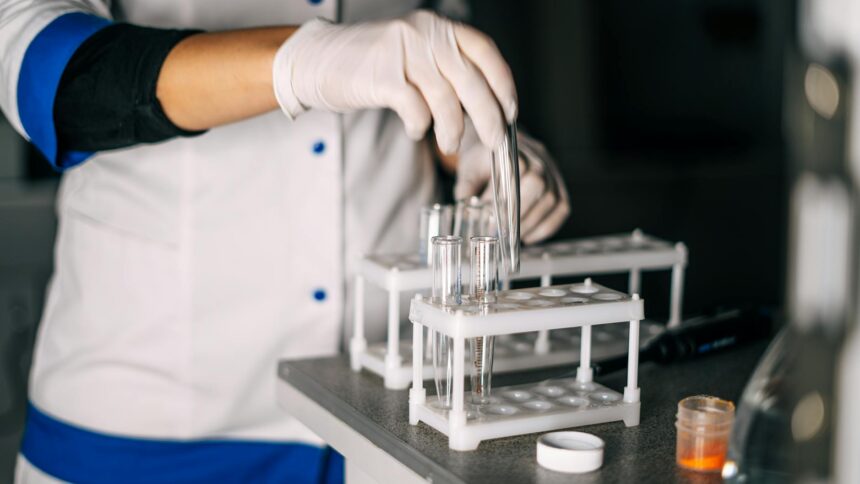
Medical illustration showing hepatitis B virus and treatment breakthrough concept
GSK's experimental drug bepirovirsen achieved functional hepatitis B cure in 18% of patients during phase 2 trials, vastly outperforming current treatments. The breakthrough offers hope for millions living with chronic hepatitis B worldwide. — Photo: Daria / Pexels
SHARE
🎧 Listen to this article4:55 min · 638 words · GMJ Audio

Contents
      • Functional cure rates by treatment approach
  • Breakthrough results in phase 2 trials
  • Global burden drives urgent need for better treatments
  • Safety profile and next steps
    • Key takeaways
  • Frequently asked questions
    • What is a functional cure for hepatitis B?
    • How does bepirovirsen differ from current treatments?
    • When might this treatment become available?

An experimental drug from GlaxoSmithKline has achieved what researchers call a “functional cure” for chronic hepatitis B in nearly one in five patients during clinical trials, according to new data reported by STAT News. The treatment, known as bepirovirsen, vastly outperformed current standard therapies in helping patients achieve sustained viral suppression.

18%
of patients achieved functional cure with experimental GSK treatment versus 1% with current therapy

Functional cure rates by treatment approach

Percentage of patients achieving sustained viral suppression, 24-week study period

GSK experimental drug
18%
Current standard therapy

1%

No treatment

0%

Source: GSK Clinical Trial Data as reported by STAT News, 2026

Submit Your Paper
GMJ_Submit_Banner

Breakthrough results in phase 2 trials

The phase 2 clinical trial results showed that bepirovirsen helped 18% of patients achieve what researchers define as a functional cure, according to STAT News reporting on the study data. This means patients maintained undetectable levels of hepatitis B surface antigen (HBsAg) for at least 24 weeks after treatment ended, according to Centers for Disease Control and Prevention criteria.

🎙️ Related Podcast Episodes
🎧 #45 | GMJ Podcast | Tskaltubo Mineral Baths in Osteoarthritis — Microcirculation, Erythrocytes, and Clinical Effects · 18m

In contrast, current standard treatments achieve functional cure rates of approximately 1% annually, according to the GSK trial data. The stark difference represents a potential paradigm shift in hepatitis B management, particularly for the estimated 296 million people living with chronic hepatitis B worldwide.

Bepirovirsen works through an antisense oligonucleotide mechanism, targeting viral RNA to prevent hepatitis B virus replication. This approach differs fundamentally from current nucleoside analogue therapies, which suppress but rarely eliminate the virus from patients’ systems.

Global burden drives urgent need for better treatments

Chronic hepatitis B remains a leading cause of liver cancer and cirrhosis globally, with the World Health Organization reporting approximately 820,000 deaths annually from hepatitis B-related complications. Current treatments require lifelong administration and rarely achieve complete viral clearance.

The disease disproportionately affects populations in sub-Saharan Africa and East Asia, where vertical transmission from mother to child remains common.

Safety profile and next steps

The GSK trial enrolled patients across multiple sites, with safety data showing manageable side effects primarily related to injection site reactions, according to the STAT News report. No serious adverse events were attributed directly to bepirovirsen treatment, though researchers continue monitoring long-term safety outcomes.

Phase 3 trials are expected to begin within the next 12 months, with GSK aiming to expand patient enrollment to include diverse populations and treatment-experienced individuals, according to the company’s plans reported by STAT News. Regulatory submissions could follow successful phase 3 completion, potentially making the treatment available within 3-5 years.

The 18% functional cure rate achieved with bepirovirsen represents an 18-fold improvement over current standard therapy, offering hope for millions of patients worldwide.

— GSK Clinical Trial Data as reported by STAT News, 2026

Key takeaways

  • GSK’s bepirovirsen achieved functional cure in 18% of hepatitis B patients versus 1% with current therapy
  • Treatment works through antisense mechanism targeting viral RNA rather than just suppressing replication
  • Phase 3 trials expected to begin within 12 months, with potential approval in 3-5 years

Frequently asked questions

What is a functional cure for hepatitis B?

A functional cure means patients maintain undetectable levels of hepatitis B surface antigen for at least 24 weeks after treatment ends. While the virus may remain dormant in liver cells, it no longer replicates actively or causes progressive liver damage.

How does bepirovirsen differ from current treatments?

Unlike current nucleoside analogues that suppress viral replication, bepirovirsen uses antisense oligonucleotide technology to target and degrade viral RNA. This mechanism may allow for finite treatment courses rather than lifelong therapy.

When might this treatment become available?

GSK plans to initiate phase 3 trials within 12 months, followed by regulatory review processes. If successful, the treatment could potentially reach patients within 3-5 years through standard approval pathways.

The promising results position bepirovirsen as a potential game-changer for hepatitis B treatment, offering hope for achieving WHO’s goal of eliminating viral hepatitis as a public health threat by 2030.

Source: STAT+: Experimental hepatitis B treatment was a ‘functional cure’ for nearly 1 in 5, new data show

TAGGED:bepirovirsenclinical trialsfunctional cureGSKhepatitis B
Share This Article
Facebook LinkedIn Bluesky Copy Link Print
Leave a Comment Leave a Comment

Leave a Reply Cancel reply

Your email address will not be published. Required fields are marked *

Submit Your Paper →

Georgia's peer-reviewed open-access medical journal. No APC until January 2027.
Submit Manuscript →
Zanidatamab Plus Chemotherapy Shows 56% Improvement in HER2+ Gastric Cancer

Zanidatamab plus chemotherapy reduced disease progression risk by 44% compared to trastuzumab…

New PET Tracer Successfully Detects Alpha-Synuclein in Living Brains for Parkinson’s Diagnosis

Revolutionary PET tracer [11C]MODAG-005 successfully detects alpha-synuclein protein aggregates in living brains,…

Stem Cell Heart Patch Shows Promise in Advanced Heart Failure Trial

A stem cell-engineered heart patch improved cardiac function by 25% in patients…

Submit Your Paper to GMJ

No APC until January 2027.
Submit Manuscript →

You Might Also Like

Scientific comparison chart of magnesium supplement absorption rates
Clinical UpdatesPractice

Magnesium Supplements: Marketing Claims vs Scientific Evidence

By
GMJ News Desk
27/05/2026
Medical illustration showing optic nerve blood flow blockage causing sudden vision loss
Clinical UpdatesPractice

Wegovy Shows Higher Risk of Rare Eye Stroke Causing Sudden Vision Loss

By
GMJ News Desk
24/05/2026
Infographic showing zinc and copper supplement bottles with ratio measurements
Clinical UpdatesPractice

Zinc-Copper Imbalance: How High-Dose Zinc Supplements Create Hidden Deficiencies

By
GMJ News Desk
24/05/2026
Anatomical diagram showing spinal nerve branches controlling different body systems and organs
Clinical UpdatesPractice

Spinal Nerve Network Controls Body Functions Beyond Back Pain, Research Shows

By
GMJ News Desk
24/05/2026
Facebook Twitter Youtube Instagram
Company
  • Privacy Policy
  • Contact US
  • GMJ Journal
  • Submit Manuscript
  • Editorial Team
  • Register at GMJ
  • Terms of Use

Subscribe to GMJ News — Click here

Join Community
© 2026 Georgian Medical Journal (GMJ). Published by the Public Health Institute of Georgia (PHIG). All rights reserved.
Welcome Back!

Sign in to your account

Username or Email Address
Password

Lost your password?

Not a member? Sign Up