
By using this site, you agree to the Privacy Policy and Terms of Use.
Accept
GMJ NewsGMJ NewsGMJ News
  • Latest News
    • GMJ Briefs
  • Podcast & Media
    • Podcast Episodes
    • GMJ Audio
    • GMJ Videos
  • Research Digest
    • New Studies
    • Georgian Research
    • Data & Numbers
  • Policy & Systems
    • Health Policy
    • Quality & Safety
    • Migration & Health
    • Global Health
  • Practice
    • Clinical Updates
    • Case Discussions
    • Pharmacy & Prescribing
    • Ingredients A-Z
  • Perspectives
    • Editorial
    • Explainers
    • Voices
    • Letters
  • GMJ Articles
    • Vol. 1 Issue 2 (2026)
    • Vol. 1 Issue 1 (2026)
    • Pre-Launch Articles (2025)
  • Read the Journal →
  • About GMJ News
Notification Show More
Font ResizerAa
GMJ NewsGMJ News
Font ResizerAa
  • Latest News
    • GMJ Briefs
  • Podcast & Media
    • Podcast Episodes
    • GMJ Audio
    • GMJ Videos
  • Research Digest
    • New Studies
    • Georgian Research
    • Data & Numbers
  • Policy & Systems
    • Health Policy
    • Quality & Safety
    • Migration & Health
    • Global Health
  • Practice
    • Clinical Updates
    • Case Discussions
    • Pharmacy & Prescribing
    • Ingredients A-Z
  • Perspectives
    • Editorial
    • Explainers
    • Voices
    • Letters
  • GMJ Articles
    • Vol. 1 Issue 2 (2026)
    • Vol. 1 Issue 1 (2026)
    • Pre-Launch Articles (2025)
  • Read the Journal →
  • About GMJ News
Follow US
GMJ News > Practice > Clinical Updates > Breakthrough Drug Targeting ‘Undruggable’ KRAS Mutation Nearly Doubles Pancreatic Cancer Survival
Clinical UpdatesNew StudiesPracticeResearch Digest

Breakthrough Drug Targeting ‘Undruggable’ KRAS Mutation Nearly Doubles Pancreatic Cancer Survival

GMJ
Last updated: 15/06/2026 20:31
By
GMJ Practice Desk
Share
7 Min Read
Medical illustration showing KRAS protein structure and drug mechanismIllustrative image · Photo by Leeloo The First on Pexels (Pexels License)
New targeted therapy daraxonrasib successfully inhibits KRAS mutations in pancreatic cancer, nearly doubling survival times. Clinical trial shows 60% reduction in death risk compared to standard chemotherapy. — Photo by Leeloo The First on Pexels (Pexels License)
SHARE
🎧 Listen to this article4:08 min · 578 words · GMJ Audio
3 min read|578 words
✓ Medically reviewed by Prof. Giorgi Pkhakadze, MD, MPH, PhD · ORCID 0000-0001-7609-4515

🟢 Strong Evidence

Contents
    • Key takeaways
      • Daraxonrasib Shows Superior Survival Outcomes
  • Targeting the ‘Undruggable’ KRAS Mutation
  • Clinical Trial Results Show Dramatic Improvement
  • Implications for Pancreatic Cancer Treatment
    • What this means
  • Frequently asked questions
    • What makes KRAS mutations so difficult to target?
    • What type of cancer does this target?
    • How significant is this advancement?

A new targeted therapy has achieved a breakthrough in treating pancreatic cancer by successfully inhibiting the KRAS mutation that drives most pancreatic tumors. The drug daraxonrasib nearly doubled survival times for patients with advanced disease and reduced the risk of death by 60% compared to standard chemotherapy, according to results published in The New England Journal of Medicine.

Key takeaways

  • Daraxonrasib targets KRAS mutations found in 90% of pancreatic cancers—previously considered “undruggable”
  • Median survival increased from 5.7 months with chemotherapy to 11.2 months with the new treatment
  • 60% reduction in death risk represents the largest survival improvement in pancreatic cancer in over a decade
60%
reduction in death risk compared to standard chemotherapy

Daraxonrasib Shows Superior Survival Outcomes

Median overall survival by treatment group, months

11.2
Daraxonrasib
5.7
Standard chemotherapy
96%
Improvement

Source: New England Journal of Medicine, 2026 | Georgian Medical Journal News

Submit Your Paper
GMJ_Submit_Banner

Targeting the ‘Undruggable’ KRAS Mutation

For over three decades, the KRAS protein has been considered “undruggable” despite being mutated in approximately 90% of pancreatic cancers. The drug represents a new approach to blocking KRAS by targeting what was once thought to be an impossible therapeutic target.

🎙️ Related Podcast Episodes
🎧 #14 | WHO: Four in Ten Cancer Cases Could Be Prevented Globally · 16m

Daraxonrasib works by preventing KRAS from sending growth signals that fuel tumor progression. The FDA granted breakthrough therapy designation to daraxonrasib in 2025 based on early trial results.

Clinical Trial Results Show Dramatic Improvement

In a major clinical trial, daraxonrasib nearly doubled survival for patients with advanced disease. The treatment demonstrated superior outcomes, with significant improvements in both overall survival and disease progression compared to standard treatments.

These findings have particular significance for clinical practice given pancreatic cancer’s historically poor prognosis and limited treatment options.

Implications for Pancreatic Cancer Treatment

These results represent a significant advancement in pancreatic cancer treatment. The success of daraxonrasib validates the concept of targeting KRAS mutations and opens new avenues for treating other KRAS-driven cancers. Research teams are now investigating combinations of KRAS inhibitors with immunotherapy and other targeted agents, as covered in recent medical research updates.

The breakthrough also highlights the potential for precision medicine approaches in pancreatic cancer, where treatment selection based on specific genetic alterations could improve outcomes. The National Cancer Institute has launched several initiatives to expand genetic testing and targeted therapy access for pancreatic cancer patients.

What this means

For patients: Those with advanced pancreatic cancer and KRAS mutations may have access to a targeted therapy that can improve survival outcomes
For clinicians: KRAS mutation testing may become increasingly important for pancreatic cancer patients to identify potential treatment candidates
For policymakers: Healthcare systems need frameworks for genetic testing access and coverage of targeted therapies to ensure equitable distribution of breakthrough treatments

Frequently asked questions

What makes KRAS mutations so difficult to target?

KRAS proteins have traditionally been challenging to target with drugs, leading many scientists to consider them “undruggable” for decades.

What type of cancer does this target?

This drug targets pancreatic cancers with KRAS mutations, which represent the majority of pancreatic tumors.

How significant is this advancement?

The treatment nearly doubles survival for patients with advanced disease and reduces the risk of death by 60%, representing a major breakthrough in pancreatic cancer treatment.

The development of daraxonrasib marks a pivotal moment in pancreatic cancer treatment, transforming what was once considered an impossible target into a therapeutic reality. As researchers continue to refine KRAS inhibition strategies and explore combination approaches, the outlook for patients with this aggressive disease continues to improve.

Source: Scientists finally crack an “undruggable” pancreatic cancer target and nearly double survival

Was this article helpful?

Disclaimer. This article is health journalism intended for general information and education. It is not medical advice and is not a substitute for professional diagnosis or treatment. Always consult a qualified healthcare provider about your individual circumstances. Full disclaimer →

Related Coverage
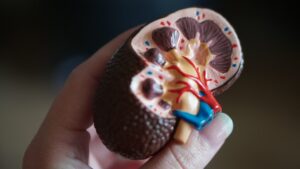
Finerenone Shows Cardiovascular Benefits in Non-Diabetic Chronic Kidney Disease PatientsJun 15, 2026
Pediatric influenza hospitalizations nearly doubled post-pandemic, Canadian surveillance findsJun 15, 2026
Trump's Perfect Cognitive Test Score: What Montreal Cognitive Assessment Really MeasuresJun 15, 2026
Large Brazilian Study Links Table Salt Habits to Cognitive Decline in 8,300 Older AdultsJun 15, 2026
PG
Written by
Prof. Giorgi Pkhakadze, MD, MPH, PhD
Editor-in-Chief, GMJ News
Full profile →
Medical disclaimer. This article is health journalism intended for general information. It is not medical advice and is not a substitute for consultation with a qualified healthcare professional. Always seek your physician's advice regarding any medical condition.
Medically reviewed by Prof. Giorgi Pkhakadze, MD, MPH, PhD. Spotted an error? Contact the editorial team.
Get the GMJ News digest
Evidence-based health journalism in your inbox. No spam; unsubscribe anytime.
TAGGED:clinical trialdaraxonrasibKRAS inhibitorpancreatic cancertargeted therapy
Share This Article
Facebook LinkedIn Bluesky Copy Link Print
GMJ
ByGMJ Practice Desk
Follow:
GMJ Practice Desk is part of GMJ News, the newsroom of the Georgian Medical Journal (gmj.ge), published by the Public Health Institute of Georgia. Every article is editorially reviewed before publication.
Leave a Comment Leave a Comment

Leave a Reply Cancel reply

Your email address will not be published. Required fields are marked *

Submit Your Paper →

Georgia's peer-reviewed open-access medical journal. No APC until January 2027.
Submit Manuscript →
Finerenone Shows Cardiovascular Benefits in Non-Diabetic Chronic Kidney Disease Patients

Finerenone significantly reduces cardiovascular events by 14% in non-diabetic chronic kidney disease…

Pediatric influenza hospitalizations nearly doubled post-pandemic, Canadian surveillance finds

Canadian surveillance study reveals pediatric influenza hospitalizations nearly doubled in 2022–2023, with…

Trump’s Perfect Cognitive Test Score: What Montreal Cognitive Assessment Really Measures

President Trump's perfect 30/30 score on cognitive testing prompts medical experts to…

Submit Your Paper to GMJ

No APC until January 2027.
Submit Manuscript →

You Might Also Like

Microscopic view of probiotic bacteria adhering to nanoplastic particles in simulated intestinal environment
New Studies

Kimchi-derived probiotic shows promise in reducing microplastic accumulation, South Korean lab study finds

By
GMJ Research Desk
19/05/2026
Glass of tomato-soy juice with fresh tomatoes and soybeans representing anti-inflammatory nutrition research
New StudiesResearch Digest

Tomato-Soy Juice Blend Reduces Obesity-Related Inflammation in Clinical Trial

By
GMJ Research Desk
10/06/2026
Medical illustration showing hepatitis B virus and treatment breakthrough concept
Clinical UpdatesPractice

Experimental GSK drug achieves functional hepatitis B cure in 1 in 5 patients

By
GMJ Practice Desk
28/05/2026
Medical chart showing increased mortality and cancer risks in coeliac disease patients
New StudiesResearch Digest

Coeliac Disease Linked to Increased Death Risk and Cancer in Major US Study

By
GMJ Research Desk
12/06/2026
Facebook Twitter Youtube Instagram
Company
  • Privacy Policy
  • Contact US
  • GMJ Journal
  • Submit Manuscript
  • Editorial Team
  • Register at GMJ
  • Terms of Use

Subscribe to GMJ News — Click here

Join Community
© 2026 Georgian Medical Journal (GMJ). Published by the Public Health Institute of Georgia (PHIG). All rights reserved.
Welcome Back!

Sign in to your account

Username or Email Address
Password

Lost your password?

Not a member? Sign Up