By using this site, you agree to the Privacy Policy and Terms of Use.
Accept
GMJ NewsGMJ NewsGMJ News
  • Latest News
    • GMJ Briefs
  • Podcast & Media
    • Podcast Episodes
    • GMJ Audio
    • GMJ Videos
  • Research Digest
    • New Studies
    • Georgian Research
    • Data & Numbers
  • Policy & Systems
    • Health Policy
    • Quality & Safety
    • Migration & Health
    • Global Health
  • Practice
    • Clinical Updates
    • Case Discussions
    • Pharmacy & Prescribing
    • Ingredients A-Z
  • Perspectives
    • Editorial
    • Explainers
    • Voices
    • Letters
  • GMJ Articles
    • Vol. 1 Issue 2 (2026)
    • Vol. 1 Issue 1 (2026)
    • Pre-Launch Articles (2025)
  • Read the Journal →
  • About GMJ News
Notification Show More
Font ResizerAa
GMJ NewsGMJ News
Font ResizerAa
  • Latest News
    • GMJ Briefs
  • Podcast & Media
    • Podcast Episodes
    • GMJ Audio
    • GMJ Videos
  • Research Digest
    • New Studies
    • Georgian Research
    • Data & Numbers
  • Policy & Systems
    • Health Policy
    • Quality & Safety
    • Migration & Health
    • Global Health
  • Practice
    • Clinical Updates
    • Case Discussions
    • Pharmacy & Prescribing
    • Ingredients A-Z
  • Perspectives
    • Editorial
    • Explainers
    • Voices
    • Letters
  • GMJ Articles
    • Vol. 1 Issue 2 (2026)
    • Vol. 1 Issue 1 (2026)
    • Pre-Launch Articles (2025)
  • Read the Journal →
  • About GMJ News
Follow US
GMJ News > GMJ Briefs > 23% Faster Cognitive Decline Associated with Regular Table Salt Addition, New Study Shows

23% Faster Cognitive Decline Associated with Regular Table Salt Addition, New Study Shows

GMJ
Last updated: 29/06/2026 16:26
By
Prof. Giorgi Pkhakadze
Share
1 Min Read
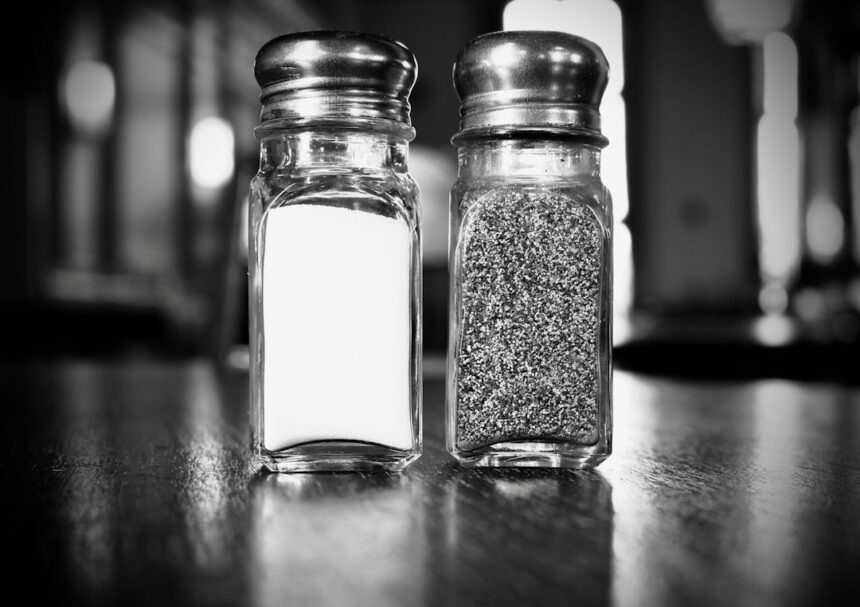
Elderly person adding salt to meal at dining table, representing study findings on salt consumption habits
A comprehensive study of 8,300 older Brazilian adults found that men are significantly more likely to add salt at the table, with the habit linked to faster cognitive decline. The research reveals important gender differences in salt consumption patterns among aging populations. — Photo by Lachlan on Unsplash (Unsplash License)
SHARE
1 min read|124 words

A comprehensive observational study of 8,300 older Brazilian adults has documented a noteworthy finding: individuals who regularly added table salt at meals experienced approximately 23% faster cognitive decline over a 24-month study period compared to those who did not. This quantifiable association emerged even after researchers adjusted for confounding variables including education, income, and baseline health status.

The research revealed pronounced gender differences in salt-adding prevalence, with 68% of men versus 45% of women regularly adding salt at the table. Notably, men’s salt habits demonstrated greater resistance to health awareness interventions, while women’s consumption patterns correlated more strongly with overall dietary approaches. These findings suggest that cognitive preservation strategies may benefit from gender-tailored nutritional guidance and behavioral interventions in aging populations.

Read the full article on GMJ Newsroom.

Was this article helpful?

GMJ Brief · Key Finding

📰 Read the full article: Large Brazilian Study Links Table Salt Habits to Cognitive Decline in 8,300 Older Adults →

Share This Article
Facebook LinkedIn Bluesky Copy Link Print
GMJ
ByProf. Giorgi Pkhakadze
Follow:
Prof. Giorgi Pkhakadze, MD, MPH, PhD, is Editor-in-Chief of the Georgian Medical Journal and Chair of the Public Health Institute of Georgia (PHIG). He is Professor and Head of the Department of Social and Behavioural Sciences at David Tvildiani Medical University, and Secretary/Treasurer of the UEMS Section of Public Health. ORCID: 0000-0001-7609-4515.

Submit Your Paper →

Georgia's peer-reviewed open-access medical journal. No APC until January 2027.
Submit Manuscript →
Obamacare Subsidies End: Millions Drop Coverage as Premiums Surge 25% in 2024

Enhanced ACA subsidies expired at year-end 2023, forcing millions to drop coverage…

UK COVID-19 Activity Remains Low as Summer Season Begins, Official Surveillance Shows

UK Health Security Agency surveillance shows COVID-19 and influenza activity remain at…

Supermarket Data Reveals Women Buying Less Effective Period Pain Relief

Supermarket purchasing data reveals many women are buying less effective pain medications…

Submit Your Paper to GMJ

No APC until January 2027.
Submit Manuscript →

You Might Also Like

Scientific diagram showing neutrophil vitamin C concentration and immune cell function

What Healthcare Providers Should Know: Vitamin C’s True Role in Clinical Practice

By
Prof. Giorgi Pkhakadze
27/06/2026

EBOLA OUTBREAK – DRC/UGANDA CROSS-BORDER TRANSMISSION WITH WHO PHEIC DECLARATION

By
Prof. Giorgi Pkhakadze
31/05/2026

EBOLA OUTBREAK – DRC/UGANDA CROSS-BORDER TRANSMISSION CONFIRMED

By
Prof. Giorgi Pkhakadze
31/05/2026
Women participating in community empowerment program discussion

Fragmented Frameworks Undermine Global Women’s Empowerment Efforts

By
Prof. Giorgi Pkhakadze
16/06/2026
Facebook Twitter Youtube Instagram
Company
  • Privacy Policy
  • Contact US
  • GMJ Journal
  • Submit Manuscript
  • Editorial Team
  • Register at GMJ
  • Terms of Use

Subscribe to GMJ News — Click here

Join Community
© 2026 Georgian Medical Journal (GMJ). Published by the Public Health Institute of Georgia (PHIG). All rights reserved.
Welcome Back!

Sign in to your account

Username or Email Address
Password

Lost your password?

Not a member? Sign Up