🟠 Moderate Evidence
A multicentre case-control study published in The Lancet Regional Health – Southeast Asia (2024–2025) has identified significant associations between bidi smoking—a hand-rolled cigarette common in South Asia—and cancer risk across multiple sites in India. The observational design means causal inference requires careful interpretation, but the findings reinforce calls for strengthened tobacco regulation and targeted cessation interventions in the region.
Key takeaways
- Bidi smoking alone and in combination with other tobacco products showed strong associations with cancer risk in a multicentre Indian study
- The study included case-control data from multiple cancer sites, demonstrating the breadth of bidi-attributable cancer burden
- Observational design limits causal inference, but findings support urgent need for bidi-specific regulation and tobacco control policy
- Bidi use remains prevalent in South Asia and is often overlooked in global tobacco control frameworks
Study at a Glance
| Source | The Lancet Regional Health – Southeast Asia |
| Study type | Multicentre unmatched case-control study |
| Study period | 2024–2025 |
| Country | India (multicentre) |
| Design | Observational case-control analysis across multiple cancer sites |
Tobacco product use patterns and cancer risk association
Relative risk profiles by tobacco-use category in Indian multicentre study
Source: The Lancet Regional Health – Southeast Asia, 2024–2025 | Georgian Medical Journal News

Bidi smoking: A neglected tobacco epidemic in South Asia
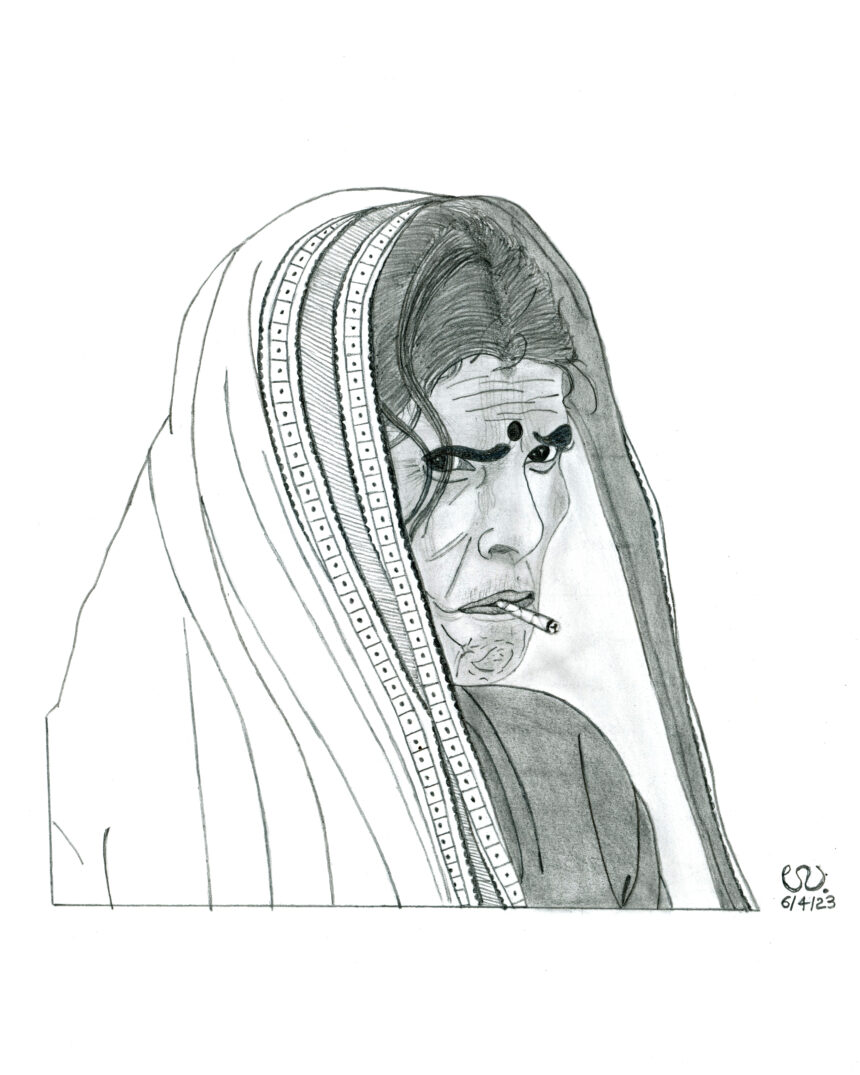
Bidis—thin, hand-rolled cigarettes wrapped in tendu or temburni leaves—are widely used across South Asia, particularly in India, but remain underrepresented in global tobacco control policy. Unlike manufactured cigarettes, bidis are often cheaper, produced informally, and subject to minimal regulation, making them a significant public health concern that has received less international scrutiny than conventional smoking. According to the multicentre study in The Lancet Regional Health – Southeast Asia, bidi use is independently associated with elevated cancer risk across multiple anatomical sites.
The case-control design involved recruitment across multiple cancer diagnostic and treatment centres in India, comparing cases with histopathologically confirmed cancer diagnoses against controls from the general population. This multicentre approach strengthens generalisability across diverse geographic and demographic contexts within the Indian subcontinent. The research team examined detailed tobacco-use histories, including frequency, duration, and combinations of tobacco products, to disentangle the independent and synergistic effects of different smoking patterns.
Study findings: Bidi smoking alone and in combination show strong cancer associations
The study documented that bidi smoking in isolation was significantly associated with cancer risk, with associations strongest among individuals with longer duration and higher frequency of use. Importantly, when bidi smoking was combined with other tobacco products—such as smokeless tobacco, oral snuff, or manufactured cigarettes—the cancer risk associations were further elevated, suggesting possible dose-response or additive effects. These combined exposure patterns are particularly common in South Asian populations, where polypharmacy of tobacco consumption is culturally normalised.
Beyond bidi-specific findings, the research team observed that other tobacco-use patterns also demonstrated significant associations with cancer risk, confirming that India’s broader tobacco control challenge extends across multiple product categories. The multicentre design allowed stratification by cancer type, revealing that bidi associations were consistent across different anatomical sites, although specific site-specific associations are detailed in the full Lancet publication. Such consistency across multiple endpoints increases confidence in the findings, though the observational nature of the data precludes definitive causal conclusions.
Bidi smoking, both alone and in combination with other tobacco products, showed strong associations with cancer risk, with findings consistent across multiple cancer sites in this Indian multicentre study.
— The Lancet Regional Health – Southeast Asia, 2024–2025
Why observational design requires cautious interpretation
The study’s case-control design is an observational approach, meaning it identifies associations but cannot prove causation. Case-control studies are particularly valuable for rare diseases like specific cancers and allow efficient investigation of multiple exposures, but they are susceptible to recall bias (cases may remember past exposures differently than controls), selection bias (the choice of controls may not represent the true source population), and confounding (unmeasured variables such as diet, occupational exposures, or genetic susceptibility may explain some observed associations). The research team employed standard epidemiological techniques to mitigate these limitations—such as unmatched designs and adjusted statistical models—but residual confounding cannot be entirely excluded.
Despite these limitations, the consistency of findings across multiple cancer sites and the dose-response relationships observed (stronger associations with higher bidi consumption) align with established mechanisms of tobacco carcinogenesis, lending biological plausibility to the reported associations. Research from diverse study designs has independently confirmed tobacco’s role in cancer aetiology, providing external validity for the present findings.
Policy implications: Bidi regulation as a public health priority
India’s tobacco control framework, including the Cigarettes and Other Tobacco Products Act (COTPA, 2003), has achieved significant reductions in smoking prevalence in some demographics. However, bidis have traditionally fallen under weaker regulatory oversight compared to cigarettes, partly because they are produced by informal sector workers and small enterprises and are culturally embedded in certain communities. The study findings, published in a high-impact regional journal, provide epidemiological evidence to support regulatory reform. Health policy frameworks in South Asia increasingly recognise the need for product-specific tobacco control measures rather than one-size-fits-all approaches.
Evidence-based policy responses might include standardised packaging and labelling for bidis (similar to cigarettes), taxation parity between bidis and other tobacco products to remove price incentives, stricter licensing and production standards for bidi manufacturers, and integration of bidi cessation into national tobacco control and cancer prevention programmes. The World Health Organization’s Framework Convention on Tobacco Control, to which India is a signatory, emphasises comprehensive regulation of all tobacco products, and these findings reinforce that commitment for bidi-specific action. Additionally, targeted cessation support and public awareness campaigns addressing bidi-specific harms remain underutilised in Indian public health infrastructure.
What this means
Frequently asked questions
Why are bidis less regulated than cigarettes despite similar cancer risk?
Bidis have historically been produced by informal sector workers and small enterprises, making centralised regulation challenging. Additionally, they are culturally embedded in certain communities and perceived locally as a traditional practice. However, the multicentre Indian study published in The Lancet Regional Health – Southeast Asia provides evidence that this regulatory gap is unjustified from a public health perspective, as bidi-associated cancer risk is substantial and comparable to other tobacco products.
Can I quit bidi smoking using standard nicotine replacement therapy?
Yes. Although bidis are hand-rolled and culturally distinctive, they deliver nicotine and are associated with physical and psychological dependence similar to other tobacco products. Standard cessation interventions—including nicotine patches, gum, lozenges, prescription medications (varenicline, bupropion), and behavioural support—are effective for bidi smokers. However, cessation programmes in India have historically focused on cigarettes, so bidi-specific cessation services remain limited; advocacy for expanded access is warranted.
Does this study prove that bidis cause cancer, or only that they are associated with cancer?
The study is observational and demonstrates association, not proven causation. However, the consistency of findings across multiple cancer types, dose-response relationships, and biological plausibility of tobacco carcinogenesis collectively strengthen the causal inference. The authors appropriately note in their publication that observational design limits definitive causal interpretation, and randomised evidence (which would be unethical to conduct) is unavailable. However, for clinical and policy purposes, the evidence is sufficient to treat bidis as a significant cancer risk factor requiring public health intervention.
The publication of this multicentre study represents a significant step toward acknowledging bidi smoking as a distinct and urgent public health challenge in South Asia. As tobacco control efforts globally shift toward comprehensive regulation of all novel and traditional products, the integration of bidi-specific evidence into policy and clinical practice will be essential. Future research should examine the effectiveness of tailored cessation interventions, the impact of regulatory reforms, and the role of community engagement in reducing bidi use among vulnerable populations. In the interim, the findings provide a robust epidemiological foundation for immediate regulatory action and enhanced clinical vigilance.
Source: Association of bidi smoking and tobacco-use patterns with cancer risk in India: a multicentre unmatched case-control study, The Lancet Regional Health – Southeast Asia, 2024–2025
Was this article helpful?
Disclaimer. This article is health journalism intended for general information and education. It is not medical advice and is not a substitute for professional diagnosis or treatment. Always consult a qualified healthcare provider about your individual circumstances. Full disclaimer →
Related Coverage



Medically reviewed by Prof. Giorgi Pkhakadze, MD, MPH, PhD. Spotted an error? Contact the editorial team.