🟢 Strong Evidence
The human gastrointestinal tract functions as a highly specialized nutrient-extraction system, with each of its seven meters dedicated to absorbing specific vitamins, minerals, and macronutrients at precise anatomical locations. This segmental specialization ensures that molecules enter the bloodstream only when biochemical conditions and transport mechanisms are optimal—a process fundamental to human nutrition and metabolism.
Key takeaways
- The stomach initiates protein digestion and absorbs small water-soluble molecules like copper and iodide, while reserving most nutrient absorption for downstream segments
- The duodenum serves as the primary absorption site for minerals (calcium, iron, magnesium) and fat-soluble vitamins (A, D, E, K), requiring bile acids for lipid solubility
- The jejunum, with its extensive villous surface area, absorbs the majority of macronutrients—lipids, amino acids, monosaccharides, and B vitamins
- The ileum specializes in vitamin B12 and recycling of bile salts, completing the nutrient harvest before the large intestine recovers water
Study at a Glance
| Source | Gastrointestinal physiology and nutrient biochemistry |
| Study type | Anatomical and biochemical review |
| Key focus | Segmental nutrient absorption mechanisms |
| Scope | Stomach, small intestine (duodenum, jejunum, ileum), large intestine |
| Clinical relevance | Understanding absorption defects, malabsorption syndromes, dietary optimization |
Nutrient absorption by gastrointestinal segment
Primary nutrients absorbed in each region of the digestive tract
Source: Gastrointestinal Physiology Literature | Georgian Medical Journal News

The stomach: first barrier and selective gatekeeper
The stomach initiates nutrient absorption through acid-mediated protein digestion via pepsinogen and hydrochloric acid. While the stomach’s primary role is mechanical and chemical breakdown, it also permits direct absorption of water-soluble minerals and small molecules, functioning as a selective first checkpoint for the digestive system.
Copper, iodide, and fluoride can penetrate the stomach lining directly through specific ion transporters, demonstrating that even this early stage of digestion exhibits molecular specificity. However, the vast majority of macronutrients remain bound in complex forms—requiring further enzymatic processing in the small intestine before absorption becomes possible.
The duodenum: mineral and fat-soluble vitamin hub
As chyme (partially digested food) exits the stomach, it enters the duodenum, where bile and pancreatic secretions dramatically alter the chemical environment. This transition marks the beginning of efficient nutrient extraction, with the duodenum emerging as the primary absorption site for minerals and lipophilic vitamins.
Calcium, iron, and magnesium absorption occurs here through specific transporter proteins—calcium via active transport mechanisms requiring vitamin D metabolites, and iron through heme and non-heme pathways that respond to body iron status. Fat-soluble vitamins (A, D, E, K) require emulsification by bile acids before they can dissolve into the intestinal lumen for absorption. This demonstrates the molecular interdependence of nutrient transport: without adequate bile secretion from the liver, even dietary vitamin D cannot be effectively absorbed.
The duodenum absorbs minerals and fat-soluble vitamins through highly specific transport mechanisms that depend on bile acids for lipid solubility and hormonal regulators like calcitriol for calcium transport.
— Gastrointestinal Physiology Consensus, International Foundation for Functional Gastrointestinal Disorders
The jejunum: the nutrient powerhouse
The jejunum, comprising approximately 40% of small intestinal length, contains the highest density of villi and microvilli—finger-like projections that exponentially increase the surface area available for absorption. This anatomical specialization makes the jejunum the body’s primary macronutrient extraction site.
Lipids, monosaccharides (glucose, fructose, galactose), amino acids, and small peptides are absorbed here with high efficiency through both active transport and facilitated diffusion. The jejunum also absorbs water-soluble B vitamins—thiamin, riboflavin, niacin, and pantothenic acid—each via distinct transporters. The epithelial cells lining the jejunum express SGLT1 for glucose absorption, GLUT2 and GLUT5 for fructose, and peptide transporters (PEPTs) for amino acid uptake, exemplifying the molecular precision underlying intestinal nutrient extraction.
The ileum and large intestine: nutrient completion and water recovery
The ileum specializes in absorbing vitamin B12 (cobalamin) through an intrinsic factor-dependent mechanism—a process so specialized that deficiency leads to pernicious anemia if this segment is damaged or surgically removed. The ileum also recirculates bile salts through enterohepatic circulation, a recycling pathway that conserves the body’s bile acid pool.
The large intestine, although often overlooked in discussions of nutrient absorption, serves critical functions beyond water recovery. The resident microbiota synthesize vitamin K and certain B vitamins—production that, while modest compared to dietary intake, becomes clinically significant during antibiotic therapy or dysbiosis. Additionally, the colon absorbs short-chain fatty acids (butyrate, propionate, acetate) produced through bacterial fermentation of dietary fiber, providing approximately 10% of the body’s energy supply.
What this means
Frequently asked questions
Why can’t the stomach absorb most nutrients if it has access to food?
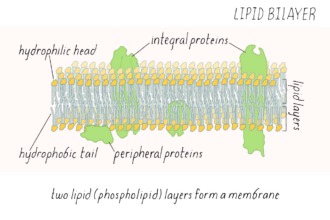
The stomach’s acidic, protease-rich environment is optimized for breaking chemical bonds, not transporting intact nutrient molecules across epithelial membranes. Most nutrients remain bound in complex forms (proteins, lipid bilayers, mineral-phytate complexes) until pancreatic enzymes and bile acids dissolve and release them in the small intestine. The stomach’s selective absorption (water, ethanol, some minerals) reflects specific transporter expression rather than a general capacity for nutrient uptake.
What happens when disease damages a specific intestinal segment?
Damage to different segments produces distinct nutritional consequences. Jejunal pathology (celiac disease, Crohn’s disease) causes broad malabsorption of all macronutrients, producing protein deficiency, fat-soluble vitamin deficiency, and weight loss. Ileal disease produces selective B12 and fat-soluble vitamin deficiency. Duodenal damage impairs mineral and fat-soluble vitamin absorption specifically. Clinicians identify disease location by mapping which nutrients are depleted.
Does nutrient timing (taking supplements with or without food) actually matter?
Yes, profoundly. Fat-soluble vitamins (A, D, E, K) require bile acids for absorption—taking them with dietary fat meals significantly enhances bioavailability. Iron absorption is reduced by calcium, tea, and coffee (chelating agents), so timing matters. Vitamin B12 requires intrinsic factor from the stomach, so B12 supplements work best as sublingual forms (bypassing stomach acid) or via injection. This reflects the segmental, mechanism-specific nature of nutrient transport throughout the tract.
The seven-meter gastrointestinal tract represents one of human physiology’s most elegant specializations: a production line where each anatomical segment expresses distinct transporters, enzymes, and hormonal regulators calibrated to extract specific nutrients when biochemical conditions are optimal. Understanding this segmental organization transforms how clinicians interpret malabsorption syndromes, how patients optimize supplement efficacy, and how public health bodies approach nutritional interventions. As metabolic medicine advances, this anatomical framework will increasingly inform precision nutrition strategies tailored to individual absorption capacity.
Source: Gastrointestinal Anatomy and Nutrient Absorption, National Center for Biotechnology Information (NCBI)
Was this article helpful?
Disclaimer. This article is health journalism intended for general information and education. It is not medical advice and is not a substitute for professional diagnosis or treatment. Always consult a qualified healthcare provider about your individual circumstances. Full disclaimer →
Related Coverage


Editorial standards. This article was produced under the GMJ News editorial process, with oversight by the GMJ Editorial Board. Our editorial process. Spotted an error? Contact the editorial team.