By using this site, you agree to the Privacy Policy and Terms of Use.
Accept
GMJ NewsGMJ NewsGMJ News
  • Latest News
    • GMJ Briefs
  • Podcast & Media
    • Podcast Episodes
    • GMJ Audio
    • GMJ Videos
  • Research Digest
    • New Studies
    • Georgian Research
    • Data & Numbers
  • Policy & Systems
    • Health Policy
    • Quality & Safety
    • Migration & Health
    • Global Health
  • Practice
    • Clinical Updates
    • Case Discussions
    • Pharmacy & Prescribing
    • Ingredients A-Z
  • Perspectives
    • Editorial
    • Explainers
    • Voices
    • Letters
  • Health Topics
  • GMJ Articles
    • Vol. 1 Issue 2 (2026)
    • Vol. 1 Issue 1 (2026)
    • Pre-Launch Articles (2025)
  • Read the Journal →
  • About GMJ News
Notification Show More
Font ResizerAa
GMJ NewsGMJ News
Font ResizerAa
  • Latest News
    • GMJ Briefs
  • Podcast & Media
    • Podcast Episodes
    • GMJ Audio
    • GMJ Videos
  • Research Digest
    • New Studies
    • Georgian Research
    • Data & Numbers
  • Policy & Systems
    • Health Policy
    • Quality & Safety
    • Migration & Health
    • Global Health
  • Practice
    • Clinical Updates
    • Case Discussions
    • Pharmacy & Prescribing
    • Ingredients A-Z
  • Perspectives
    • Editorial
    • Explainers
    • Voices
    • Letters
  • Health Topics
  • GMJ Articles
    • Vol. 1 Issue 2 (2026)
    • Vol. 1 Issue 1 (2026)
    • Pre-Launch Articles (2025)
  • Read the Journal →
  • About GMJ News
Follow US
GMJ News > GMJ Briefs > Three Game-Changing Advances in AI-Guided Brain Ultrasound Therapy

Three Game-Changing Advances in AI-Guided Brain Ultrasound Therapy

GMJ
Last updated: 09/08/2026 07:36
By
Prof. Giorgi Pkhakadze
Share
1 Min Read
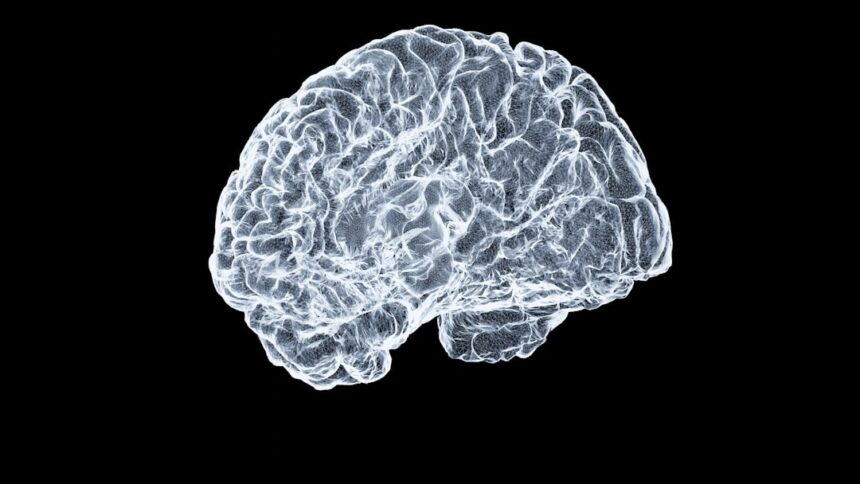
Diagram of AI-guided focused ultrasound opening blood-brain barrier with microbubble prediction
Researchers at Georgia Institute of Technology have developed an AI system that predicts microbubble collapse during focused ultrasound procedures, potentially enabling safer delivery of therapeutics across the blood–brain barrier. This advance could accelerate clinical translation for brain tumours and neurodegenerative diseases. — Photo by Shawn Day on Unsplash (Unsplash License)
SHARE
1 min read|156 words

A new study from Georgia Institute of Technology outlines three transformative developments in precision neurobiology. First, AI algorithms now forecast microbubble dynamics in real time, enabling clinicians to maintain active control over ultrasound-mediated procedures rather than relying on passive monitoring. This shift from reactive to predictive medicine substantially improves safety and procedural reliability.

Second, the technology enables non-invasive opening of the blood–brain barrier—a critical gate that normally excludes 98% of molecules from brain tissue. By predicting bubble behaviour, clinicians can temporarily open this barrier with unprecedented precision, permitting targeted drug delivery without systemic exposure.

Third, these advances accelerate clinical translation for conditions traditionally resistant to treatment: brain tumours, Alzheimer’s disease, Parkinson’s disease, and other neurodegenerative disorders. The research, published in Advanced Science, demonstrates that machine learning transforms focused ultrasound from an experimental platform into a practical clinical tool capable of reaching previously inaccessible brain regions safely and predictably.

Read the full article on GMJ Newsroom.

Submit Your Paper
GMJ_Submit_Banner

Was this article helpful?

GMJ Brief · Takeaway

📰 Read the full article: AI-Guided Ultrasound Predicts Bubble Collapse to Improve Brain Barrier Opening →

Share This Article
Facebook LinkedIn Bluesky Copy Link Print
GMJ
ByProf. Giorgi Pkhakadze
Follow:
Prof. Giorgi Pkhakadze, MD, MPH, PhD, is Editor-in-Chief of the Georgian Medical Journal and Chair of the Public Health Institute of Georgia (PHIG). He is Professor and Head of the Department of Social and Behavioural Sciences at David Tvildiani Medical University, and Secretary/Treasurer of the UEMS Section of Public Health. ORCID: 0000-0001-7609-4515.

Submit Your Paper →

Georgia's peer-reviewed open-access medical journal. No APC until January 2027.
Submit Manuscript →
UK childhood vaccination coverage holds steady at high levels, latest quarterly data shows

The UK's Cover of Vaccination Evaluated Rapidly (COVER) programme reports sustained high…

EMA Launches Email Notifications for Clinical Trial Information System

The European Medicines Agency has rolled out email notification subscriptions in CTIS,…

Independent Inquiry Finds Systemic Racism in Maternity Care Undermines Patient Safety

An independent inquiry has documented systemic racism and discrimination affecting patient safety…

Submit Your Paper to GMJ

No APC until January 2027.
Submit Manuscript →

You Might Also Like

Medical illustration showing leukemia cells being targeted by combination drug therapy

Clinical Data Shows 83% Remission Achievement with Novel Leukemia Combination

By
Prof. Giorgi Pkhakadze
09/06/2026
Global HealthPolicy & Systems

WHO Declares International Emergency as Ebola Outbreak Crosses DRC-Uganda Border

By
Prof. Giorgi Pkhakadze
31/05/2026
Young person at dentist office representing UK dental access crisis and student financial burden

Understanding the Ripple Effects: Three Critical Impacts of the UK Dental Services Crisis

By
Prof. Giorgi Pkhakadze
27/07/2026
Clinical UpdatesData & NumbersNew StudiesPracticeResearch Digest

Stroke in Young Adults Rising Sharply in England: Post-Pandemic Trend Accelerates

By
Prof. Giorgi Pkhakadze
08/08/2026
Facebook Twitter Youtube Instagram
Company
  • Privacy Policy
  • Contact US
  • GMJ Journal
  • Submit Manuscript
  • Editorial Team
  • Register at GMJ
  • Terms of Use

Subscribe to GMJ News — Click here

Join Community
© 2026 Georgian Medical Journal (GMJ). Published by the Public Health Institute of Georgia (PHIG). All rights reserved.
Welcome Back!

Sign in to your account

Username or Email Address
Password

Lost your password?

Not a member? Sign Up