By using this site, you agree to the Privacy Policy and Terms of Use.
Accept
GMJ NewsGMJ NewsGMJ News
  • Latest News
    • GMJ Briefs
  • Podcast & Media
    • Podcast Episodes
    • GMJ Audio
    • GMJ Videos
  • Research Digest
    • New Studies
    • Georgian Research
    • Data & Numbers
  • Policy & Systems
    • Health Policy
    • Quality & Safety
    • Migration & Health
    • Global Health
  • Practice
    • Clinical Updates
    • Case Discussions
    • Pharmacy & Prescribing
    • Ingredients A-Z
  • Perspectives
    • Editorial
    • Explainers
    • Voices
    • Letters
  • Health Topics
  • GMJ Articles
    • Vol. 1 Issue 2 (2026)
    • Vol. 1 Issue 1 (2026)
    • Pre-Launch Articles (2025)
  • Read the Journal →
  • About GMJ News
Notification Show More
Font ResizerAa
GMJ NewsGMJ News
Font ResizerAa
  • Latest News
    • GMJ Briefs
  • Podcast & Media
    • Podcast Episodes
    • GMJ Audio
    • GMJ Videos
  • Research Digest
    • New Studies
    • Georgian Research
    • Data & Numbers
  • Policy & Systems
    • Health Policy
    • Quality & Safety
    • Migration & Health
    • Global Health
  • Practice
    • Clinical Updates
    • Case Discussions
    • Pharmacy & Prescribing
    • Ingredients A-Z
  • Perspectives
    • Editorial
    • Explainers
    • Voices
    • Letters
  • Health Topics
  • GMJ Articles
    • Vol. 1 Issue 2 (2026)
    • Vol. 1 Issue 1 (2026)
    • Pre-Launch Articles (2025)
  • Read the Journal →
  • About GMJ News
Follow US
GMJ News > GMJ Briefs > What Cancer Disparities Mean for Rural Patients: Three Critical Access Barriers

What Cancer Disparities Mean for Rural Patients: Three Critical Access Barriers

GMJ
Last updated: 10/08/2026 04:52
By
Prof. Giorgi Pkhakadze
Share
1 Min Read
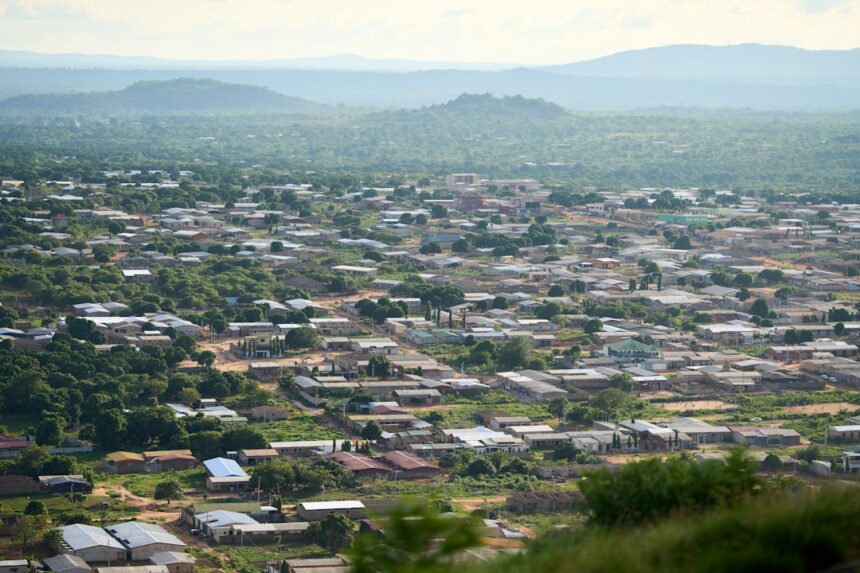
Chart showing diverging cancer mortality trends between high-income urban and rural low-income regions in the United States
Cancer mortality in the US has dropped steeply since 1991, but the gains are concentrated in wealthy urban areas. Rural and low-income regions continue to experience elevated cancer death rates due to limited screening access, specialist shortages, and prevention resource gaps—widening an already stark health equity divide in oncology. — Photo by Shane Ryan Herilalaina on Unsplash (Unsplash License)
SHARE
1 min read|131 words

Understanding cancer mortality disparities requires examining three concrete barriers affecting rural patients. First, screening access remains concentrated in urban centers; rural communities lack mammography, colonoscopy, and other detection programs, resulting in later-stage diagnoses when treatment is more complex and outcomes poorer. Second, oncology specialists cluster in metropolitan areas, forcing rural patients to undertake costly travel for specialized care—a burden that deters treatment initiation and continuity. Third, cancer prevention advances including smoking cessation programs and HPV vaccination campaigns have achieved slower uptake in rural populations due to limited health education infrastructure and provider availability. These structural inequities translate directly into preventable deaths. Addressing rural cancer mortality requires targeted investment in mobile screening units, telehealth oncology services, and community-based prevention programs designed for rural populations. Read the full article on GMJ Newsroom.

Was this article helpful?

GMJ Brief · Takeaway

📰 Read the full article: Cancer mortality gap widens: wealthy urban areas see steep declines while rural regions lag behind →

Share This Article
Facebook LinkedIn Bluesky Copy Link Print
GMJ
ByProf. Giorgi Pkhakadze
Follow:
Prof. Giorgi Pkhakadze, MD, MPH, PhD, is Editor-in-Chief of the Georgian Medical Journal and Chair of the Public Health Institute of Georgia (PHIG). He is Professor and Head of the Department of Social and Behavioural Sciences at David Tvildiani Medical University, and Secretary/Treasurer of the UEMS Section of Public Health. ORCID: 0000-0001-7609-4515.

Submit Your Paper →

Georgia's peer-reviewed open-access medical journal. No APC until January 2027.
Submit Manuscript →
Bedroom Light at Night Linked to Metabolic Harm: What the Evidence Shows

Moderate bedroom light exposure triggers measurable metabolic harm within a single night…

Creatine and Kidney Damage: What the Evidence Actually Shows

A 2025 systematic review of 21 studies and analysis of 685 clinical…

How neurotransmitters orchestrate mood, sleep, and cognition: a biochemical primer

Brain function depends on chemical communication between neurons through neurotransmitters. Twelve major…

Submit Your Paper to GMJ

No APC until January 2027.
Submit Manuscript →

You Might Also Like

Medical illustration showing CAR-T cells targeting lupus-causing B cells in the immune system

Perfect Clinical Outcome: 15 of 15 Lupus Patients Achieve Drug-Free Remission with CAR-T Therapy

By
Prof. Giorgi Pkhakadze
17/07/2026
Map showing Ebola outbreak locations in Democratic Republic of Congo and Uganda with WHO emergency response indicators

WHO Escalates Response as Ebola Crosses DRC-Uganda Border

By
Prof. Giorgi Pkhakadze
01/06/2026
Infographic showing global foodborne disease statistics with focus on children's health risks

Global Foodborne Disease Crisis: 866 Million Annual Illnesses, Children Most Vulnerable

By
Prof. Giorgi Pkhakadze
25/06/2026
Molecular diagram showing Rb pathway inactivation mechanism in EGFR-mutant lung tumor transformation

Key Finding: Rb Pathway Inactivation Drives Squamous Transformation in EGFR-Mutant Lung Cancers

By
Prof. Giorgi Pkhakadze
26/07/2026
Facebook Twitter Youtube Instagram
Company
  • Privacy Policy
  • Contact US
  • GMJ Journal
  • Submit Manuscript
  • Editorial Team
  • Register at GMJ
  • Terms of Use

Subscribe to GMJ News — Click here

Join Community
© 2026 Georgian Medical Journal (GMJ). Published by the Public Health Institute of Georgia (PHIG). All rights reserved.
Welcome Back!

Sign in to your account

Username or Email Address
Password

Lost your password?

Not a member? Sign Up