By using this site, you agree to the Privacy Policy and Terms of Use.
Accept
GMJ NewsGMJ NewsGMJ News
  • Latest News
    • GMJ Briefs
  • Podcast & Media
    • Podcast Episodes
    • GMJ Audio
    • GMJ Videos
  • Research Digest
    • New Studies
    • Georgian Research
    • Data & Numbers
  • Policy & Systems
    • Health Policy
    • Quality & Safety
    • Migration & Health
    • Global Health
  • Practice
    • Clinical Updates
    • Case Discussions
    • Pharmacy & Prescribing
    • Ingredients A-Z
  • Perspectives
    • Editorial
    • Explainers
    • Voices
    • Letters
  • Health Topics
  • GMJ Articles
    • Vol. 1 Issue 2 (2026)
    • Vol. 1 Issue 1 (2026)
    • Pre-Launch Articles (2025)
  • Read the Journal →
  • About GMJ News
Notification Show More
Font ResizerAa
GMJ NewsGMJ News
Font ResizerAa
  • Latest News
    • GMJ Briefs
  • Podcast & Media
    • Podcast Episodes
    • GMJ Audio
    • GMJ Videos
  • Research Digest
    • New Studies
    • Georgian Research
    • Data & Numbers
  • Policy & Systems
    • Health Policy
    • Quality & Safety
    • Migration & Health
    • Global Health
  • Practice
    • Clinical Updates
    • Case Discussions
    • Pharmacy & Prescribing
    • Ingredients A-Z
  • Perspectives
    • Editorial
    • Explainers
    • Voices
    • Letters
  • Health Topics
  • GMJ Articles
    • Vol. 1 Issue 2 (2026)
    • Vol. 1 Issue 1 (2026)
    • Pre-Launch Articles (2025)
  • Read the Journal →
  • About GMJ News
Follow US
GMJ News > GMJ Briefs > Three Essential Principles for Implementing Perioperative Immunotherapy in Bladder Cancer

Three Essential Principles for Implementing Perioperative Immunotherapy in Bladder Cancer

GMJ
Last updated: 12/08/2026 09:52
By
Prof. Giorgi Pkhakadze
Share
1 Min Read
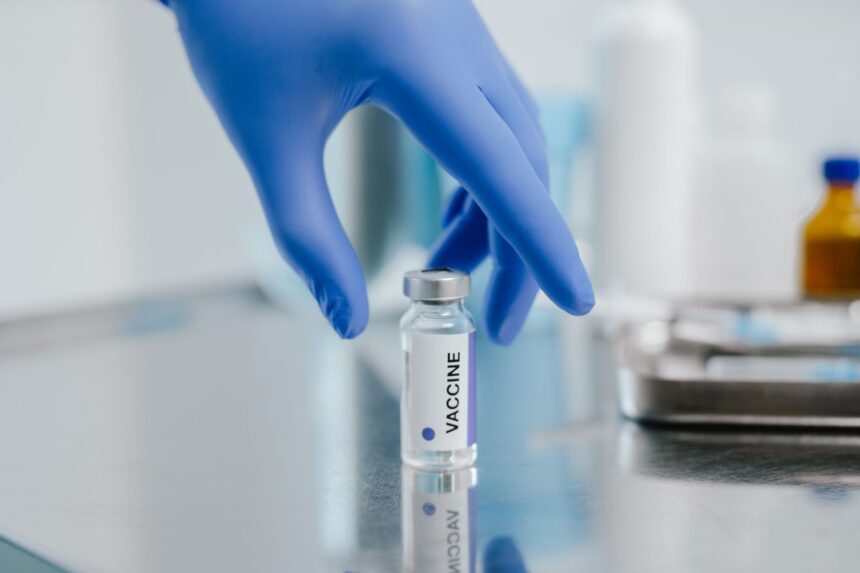
Dual immune and targeted therapy mechanism in bladder cancer treatment pathway
Combination enfortumab vedotin and pembrolizumab administered perioperatively shows emerging promise in muscle-invasive bladder cancer, according to new clinical correspondence in the New England Journal of Medicine. This dual-mechanism immunotherapy approach targets both tumour cells and immune suppression, though wider implementation and formal randomised trials remain underway. — Photo by SHVETS production on Pexels (Pexels License)
SHARE
1 min read|125 words

Recent clinical evidence highlights three critical considerations for oncologists evaluating perioperative immunotherapy in muscle-invasive bladder cancer. First, the dual mechanism—enfortumab vedotin’s direct Nectin-4 targeting combined with pembrolizumab’s PD-1 checkpoint inhibition—simultaneously attacks tumour cells and activates the immune system, addressing complementary pathways often resistant to single-agent approaches.

Second, perioperative timing proves crucial: neoadjuvant administration primes immune responses before surgical resection, while adjuvant therapy maintains anti-tumour immunity during the critical post-operative window. This sequencing optimizes both local tumour control and systemic disease prevention.

Third, multidisciplinary monitoring for immune-related toxicities is non-negotiable. Adverse event management requires coordinated care between surgical oncologists, medical oncologists, and supporting specialties. Careful patient selection and toxicity surveillance protocols are essential prerequisites for safe implementation.

Read the full article on GMJ Newsroom.

Submit Your Paper
GMJ_Submit_Banner

Was this article helpful?

GMJ Brief · Takeaway

📰 Read the full article: Combination Immunotherapy Shows Promise in Bladder Cancer Surgery: New NEJM Evidence →

Share This Article
Facebook LinkedIn Bluesky Copy Link Print
GMJ
ByProf. Giorgi Pkhakadze
Follow:
Prof. Giorgi Pkhakadze, MD, MPH, PhD, is Editor-in-Chief of the Georgian Medical Journal and Chair of the Public Health Institute of Georgia (PHIG). He is Professor and Head of the Department of Social and Behavioural Sciences at David Tvildiani Medical University, and Secretary/Treasurer of the UEMS Section of Public Health. ORCID: 0000-0001-7609-4515.

Submit Your Paper →

Georgia's peer-reviewed open-access medical journal. No APC until January 2027.
Submit Manuscript →
How Alzheimer’s Spreads Through the Brain: Scientists Identify a Protein Culprit

Researchers have identified a common brain protein that transports toxic Tau proteins…

Buruli ulcer in Africa: balancing innovation with pragmatic care delivery

A new Nature Reviews analysis examines how sub-Saharan Africa can balance cutting-edge…

Informal healthcare providers drive untracked antibiotic use across low- and middle-income countries

A scoping review in BMJ Global Health reveals that informal healthcare providers…

Submit Your Paper to GMJ

No APC until January 2027.
Submit Manuscript →

You Might Also Like

Healthcare system transformation and pharmaceutical innovation

Breaking Down Silos: How China’s Coordinated Biotech Strategy Is Reshaping Drug Development

By
Prof. Giorgi Pkhakadze
14/06/2026

SITUATION BRIEF: Ebola Cross-Border Transmission DRC-Uganda with WHO PHEIC Declaration

By
Prof. Giorgi Pkhakadze
31/05/2026
Conceptual illustration showing interconnected flags of middle power countries around health AI technology symbols

Middle Powers Emerge as Counterforce to Big Tech Dominance in Health AI

By
Prof. Giorgi Pkhakadze
01/07/2026
Comparison chart showing DOAC safety and efficacy advantages over LMWH in cancer thrombosis management

Three Evidence-Based Reasons Oncologists Should Consider Oral Anticoagulants for Cancer Thrombosis

By
Prof. Giorgi Pkhakadze
11/08/2026
Facebook Twitter Youtube Instagram
Company
  • Privacy Policy
  • Contact US
  • GMJ Journal
  • Submit Manuscript
  • Editorial Team
  • Register at GMJ
  • Terms of Use

Subscribe to GMJ News — Click here

Join Community
© 2026 Georgian Medical Journal (GMJ). Published by the Public Health Institute of Georgia (PHIG). All rights reserved.
Welcome Back!

Sign in to your account

Username or Email Address
Password

Lost your password?

Not a member? Sign Up