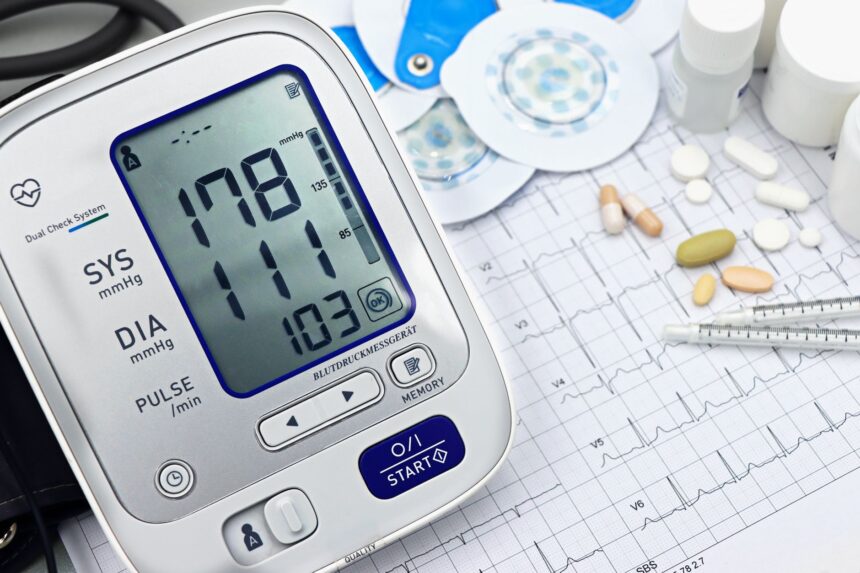
Hypertension is not a single disease but rather the clinical manifestation of dysregulation across multiple physiological systems—a distinction that fundamentally reshapes how clinicians should approach diagnosis and treatment. Rather than applying uniform therapeutic strategies to all patients, evidence suggests that identifying the dominant pathophysiological mechanism driving blood pressure elevation in each individual improves outcomes and reduces medication burden.
Key takeaways
- Hypertension arises from five distinct physiological mechanisms: fluid retention, kidney signaling errors, chronic vessel constriction, sympathetic overdrive, and hormonal dysregulation
- Patients with hypertension typically exhibit one or two dominant mechanisms, not all five
- Phenotyping hypertension by mechanism—rather than treating by blood pressure number alone—enables more targeted, effective therapeutic approaches
- Hormonal causes remain underdiagnosed despite being modifiable in many cases
Five Pathophysiological Drivers of Hypertension
Mechanisms underlying blood pressure elevation and their relative contribution to clinical phenotypes
Source: Hypertension pathophysiology framework | Georgian Medical Journal News
The Five Mechanisms Explained
Understanding hypertension requires moving beyond a single-cause model. The National Heart, Lung, and Blood Institute (NHLBI) emphasizes that blood pressure elevation results from complex interactions among cardiovascular, renal, and neuroendocrine systems. The following five mechanisms account for most cases of hypertension:

Fluid Retention (Sodium–Potassium Imbalance): Excess dietary sodium combined with inadequate potassium intake expands intravascular fluid volume. The heart compensates by increasing cardiac output, raising systemic blood pressure proportionally. This mechanism is particularly prevalent in populations consuming high-sodium processed foods and is responsive to dietary intervention and diuretic therapy.
Kidney Signaling Errors: The kidneys act as the body’s blood pressure regulator through the renin–angiotensin–aldosterone system (RAAS). When kidneys incorrectly perceive low blood flow—whether from chronic kidney disease, renal artery stenosis, or autonomous renin secretion—they activate RAAS, locking the body into a sustained high-pressure state. This mechanism responds well to angiotensin-converting enzyme (ACE) inhibitors and angiotensin receptor blockers (ARBs).
Chronic Vessel Constriction: Over months and years, vascular smooth muscle undergoes both functional constriction and structural remodeling, permanently increasing vascular resistance. Research demonstrates that chronic hypertension induces maladaptive arterial remodeling, making this mechanism self-perpetuating and often requiring calcium channel blockers or vasodilating agents for reversal.
Sympathetic Overdrive: Chronic stress, sleep apnea, obesity, and dysregulated catecholamine signaling activate the sympathetic nervous system, increasing both heart rate and vascular tone simultaneously. This mechanism is particularly common in younger hypertensive patients and responds to beta-blockers, central-acting agents, or lifestyle interventions targeting stress reduction and sleep quality.
Hormonal Dysregulation: Primary hyperaldosteronism, Cushing’s syndrome, pheochromocytoma, and thyroid disorders can independently sustain hypertension. Studies indicate that primary hyperaldosteronism accounts for 5–10% of hypertension cases, yet remains underdiagnosed because routine screening is not performed. These causes are often modifiable through targeted endocrine therapy.
Phenotyping Over Numbers: A Mechanistic Approach
Current hypertension management typically follows a stepped approach based on blood pressure thresholds alone, with all patients receiving similar initial therapies regardless of underlying mechanism. This approach is inefficient and often requires multiple medication trials to achieve control. Phenotyping hypertension by dominant mechanism—through careful history, physical examination, and selective testing—enables clinicians to match therapy to pathophysiology from the outset, improving efficacy and reducing side effects.
For example, a patient with high-renin hypertension responds optimally to RAAS blockade; one with hypokalemic metabolic alkalosis and suppressed plasma renin activity should be screened for primary hyperaldosteronism; and a patient with sympathetic overdrive may benefit from stress management and sleep optimization before intensifying pharmacotherapy. The American College of Cardiology and American Heart Association increasingly recognize that individualizing antihypertensive therapy improves both blood pressure control and long-term cardiovascular outcomes.
Hypertension phenotyping by dominant pathophysiological mechanism—rather than treating all elevated blood pressures identically—enables targeted therapy, reduces medication burden, and improves long-term cardiovascular outcomes.
— Hypertension pathophysiology consensus framework
Clinical Identification and Tailored Therapy
Identifying the dominant mechanism requires systematic clinical assessment. A detailed history exploring sodium intake, family history of hypertension, stress exposure, sleep quality, and symptoms of endocrine disease guides initial investigation. Physical examination findings—such as edema (suggesting volume-dependent mechanisms), signs of metabolic syndrome (pointing to sympathetic overdrive), or features of secondary causes—narrow the differential. Selective laboratory testing—including plasma renin activity, aldosterone levels, and urinary electrolytes—can identify specific mechanisms without requiring expensive or invasive screening in all patients.
Once the dominant mechanism is identified, therapy can be matched accordingly. Patients with volume-dependent hypertension benefit from sodium restriction, diuretics, and lifestyle modification. Those with RAAS activation respond to ACE inhibitors or ARBs. Individuals with sympathetic overdrive may require beta-blockers or central-acting agents alongside stress management. And those with hormonal dysregulation require specific endocrine therapy—aldosterone antagonists for primary hyperaldosteronism, for instance—potentially avoiding unnecessary multi-drug regimens.
Evidence from mechanistic hypertension trials demonstrates that this approach reduces the average number of medications required to achieve blood pressure targets and improves medication adherence by reducing side effects. The cost-effectiveness is substantial: avoiding years of triple or quadruple therapy in patients who respond to a single well-chosen agent reduces both healthcare expenditure and patient burden.
The Underdiagnosis Challenge: Hormonal Hypertension
Hormonal causes of hypertension remain the most underrecognized mechanistic category in routine clinical practice. Primary hyperaldosteronism—long thought to account for less than 1% of hypertension—is now estimated to occur in 5–10% of hypertensive patients when screened systematically. Similarly, subclinical Cushing’s syndrome and pheochromocytoma escape detection in many patients because screening protocols are not standardized. The consequence is prolonged exposure to high blood pressure in patients who could achieve remission or dramatic improvement through endocrine-directed therapy.
Clinicians should maintain a high index of suspicion for hormonal hypertension in patients with resistant hypertension (requiring three or more medications), hypertension diagnosed before age 40, sudden worsening of previously stable hypertension, or hypertension accompanied by characteristic biochemical abnormalities (hypokalemia, metabolic alkalosis, hypernatremia). Screening protocols for these conditions are straightforward, non-invasive, and increasingly cost-effective when applied to appropriate clinical populations.
What this means
Frequently asked questions
If I have hypertension, which of these five mechanisms do I have?
Most hypertensive patients have one or two dominant mechanisms rather than all five. Your clinician can narrow this through history (salt intake, stress exposure, family history, sleep quality), physical examination, and targeted laboratory testing (plasma renin, aldosterone, urinary electrolytes). The goal is to identify your specific pattern and match therapy accordingly.
Can I reverse hypertension if the cause is identified early?
Yes, in some cases. Volume-dependent hypertension often improves dramatically with sodium restriction and weight loss. Hypertension driven by sleep apnea may resolve with continuous positive airway pressure (CPAP) therapy. Surgically correctable hormonal causes—such as aldosterone-producing adenomas—can lead to remission after treatment. Even in non-remitting cases, mechanistic therapy reduces medication burden and side effects.
Why isn’t hypertension screening for secondary causes (hormonal, renal, vascular) done routinely?
Secondary causes account for 5–10% of all hypertension cases but are underdiagnosed because screening is not systematized in routine practice. However, the cost and burden of screening are justified in specific populations: patients under age 40 with hypertension, those requiring three or more medications (resistant hypertension), and those with suggestive clinical or biochemical findings. Your clinician should assess whether targeted screening is appropriate for your individual case.
As understanding of hypertension pathophysiology advances, the era of treating all hypertensive patients identically is ending. Mechanistic phenotyping—identifying the specific physiological drivers of blood pressure elevation in each individual—represents the future of hypertension management. For patients, this means personalized therapy with better efficacy and fewer side effects. For clinicians, it means moving beyond algorithms toward precision medicine. And for healthcare systems, it means reduced medication costs and improved long-term cardiovascular outcomes. The framework is established; implementation requires only a shift in clinical practice toward systematic, mechanistic assessment.
Source: National Heart, Lung, and Blood Institute and hypertension pathophysiology literature
Was this article helpful?
Disclaimer. This article is health journalism intended for general information and education. It is not medical advice and is not a substitute for professional diagnosis or treatment. Always consult a qualified healthcare provider about your individual circumstances. Full disclaimer →
Related Coverage




Editorial standards. This article was produced under the GMJ News editorial process, with oversight by the GMJ Editorial Board. Our editorial process. Spotted an error? Contact the editorial team.