By using this site, you agree to the Privacy Policy and Terms of Use.
Accept
GMJ NewsGMJ NewsGMJ News
  • Latest News
    • GMJ Briefs
  • Podcast & Media
    • Podcast Episodes
    • GMJ Audio
    • GMJ Videos
  • Research Digest
    • New Studies
    • Georgian Research
    • Data & Numbers
  • Policy & Systems
    • Health Policy
    • Quality & Safety
    • Migration & Health
    • Global Health
  • Practice
    • Clinical Updates
    • Case Discussions
    • Pharmacy & Prescribing
    • Ingredients A-Z
  • Perspectives
    • Editorial
    • Explainers
    • Voices
    • Letters
  • GMJ Articles
    • Vol. 1 Issue 2 (2026)
    • Vol. 1 Issue 1 (2026)
    • Pre-Launch Articles (2025)
  • Read the Journal →
  • About GMJ News
Notification Show More
Font ResizerAa
GMJ NewsGMJ News
Font ResizerAa
  • Latest News
    • GMJ Briefs
  • Podcast & Media
    • Podcast Episodes
    • GMJ Audio
    • GMJ Videos
  • Research Digest
    • New Studies
    • Georgian Research
    • Data & Numbers
  • Policy & Systems
    • Health Policy
    • Quality & Safety
    • Migration & Health
    • Global Health
  • Practice
    • Clinical Updates
    • Case Discussions
    • Pharmacy & Prescribing
    • Ingredients A-Z
  • Perspectives
    • Editorial
    • Explainers
    • Voices
    • Letters
  • GMJ Articles
    • Vol. 1 Issue 2 (2026)
    • Vol. 1 Issue 1 (2026)
    • Pre-Launch Articles (2025)
  • Read the Journal →
  • About GMJ News
Follow US
GMJ News > GMJ Briefs > 112,000 Participants Tracked Over 8 Years: Preservative Consumption Linked to Heart Disease Risk

112,000 Participants Tracked Over 8 Years: Preservative Consumption Linked to Heart Disease Risk

GMJ
Last updated: 27/07/2026 01:30
By
Prof. Giorgi Pkhakadze
Share
1 Min Read
Data visualization comparing cardiovascular risk by food additive consumption levels
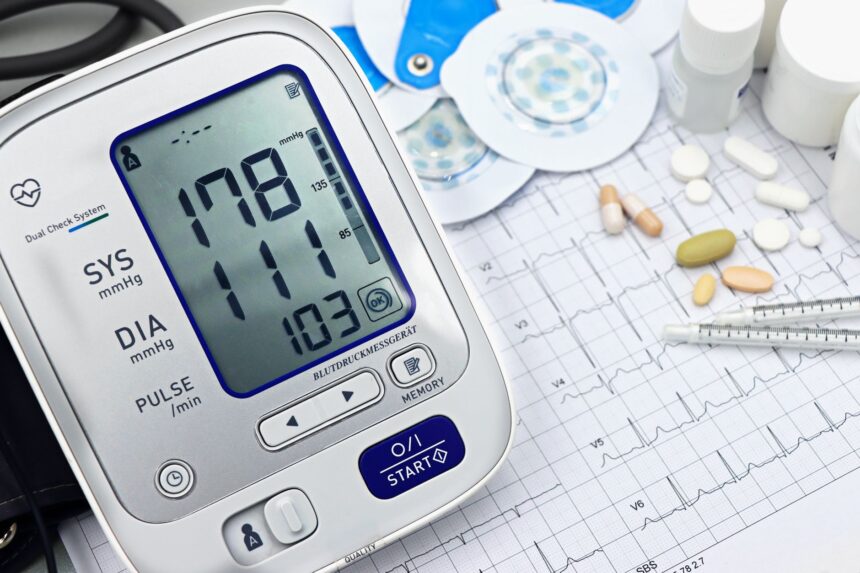
A prospective cohort study of more than 112,000 participants identified eight common food preservatives associated with significantly elevated risks of hypertension, myocardial infarction, and stroke. Highest consumers of these additives demonstrated substantially greater cardiovascular disease burden over up to eight years of follow-up. — Photo by Marta Branco on Pexels (Pexels License)
SHARE
1 min read|107 words

A landmark eight-year prospective cohort study of 112,000 participants reveals a striking association between high consumption of common food preservatives and cardiovascular disease. Those in the highest consumption quartile demonstrated significantly elevated incidence of hypertension, myocardial infarction, and stroke compared with minimal consumers. The dose-dependent relationship observed across multiple cardiovascular endpoints strengthens the evidence linking chronic additive exposure to adverse outcomes. These findings underscore the importance of dietary pattern modification toward whole, minimally processed foods as a cardiovascular risk reduction strategy. The substantial sample size and extended follow-up period provide robust epidemiological evidence, though intervention studies remain necessary to establish causality. Read the full article on GMJ Newsroom.

Was this article helpful?

GMJ Brief · Key Finding

📰 Read the full article: Eight Common Food Additives Linked to Hypertension and Cardiovascular Disease in Large Cohort Study →

Related reference
  • Hypertension · Condition
  • Stroke · Condition
Share This Article
Facebook LinkedIn Bluesky Copy Link Print
GMJ
ByProf. Giorgi Pkhakadze
Follow:
Prof. Giorgi Pkhakadze, MD, MPH, PhD, is Editor-in-Chief of the Georgian Medical Journal and Chair of the Public Health Institute of Georgia (PHIG). He is Professor and Head of the Department of Social and Behavioural Sciences at David Tvildiani Medical University, and Secretary/Treasurer of the UEMS Section of Public Health. ORCID: 0000-0001-7609-4515.

Submit Your Paper →

Georgia's peer-reviewed open-access medical journal. No APC until January 2027.
Submit Manuscript →
Special Operations Forces Show Persistent Health Burden From Combat Trauma, New Study Reveals

Active-duty U.S. special operations forces personnel show persistent health problems across behavioral,…

Why Adolescent Obesity Is Rising in the Digital Age—and How Digital Tools Can Help

Global adolescent obesity is rising due to digital food marketing and structural…

Frozen and Canned Produce Offer Similar Nutritional Value to Fresh, Research Shows

Frozen and canned fruits and vegetables retain nutritional quality comparable to fresh…

Submit Your Paper to GMJ

No APC until January 2027.
Submit Manuscript →

You Might Also Like

Medical researcher monitoring steam therapy equipment for diabetes treatment clinical trial

37 Million Americans with Diabetes: Arizona Trial Explores Heat Therapy as Treatment Option

By
Prof. Giorgi Pkhakadze
10/06/2026
Rick Pazdur speaking at ASCO 2026 conference about FDA restructuring and regulatory competition

Multiple Years of Internal Disruption Prompt FDA Restructuring Discussions

By
Prof. Giorgi Pkhakadze
23/06/2026
Global HealthPolicy & Systems

WHO Declares PHEIC as Ebola Outbreak Spreads from DRC to Uganda

By
Prof. Giorgi Pkhakadze
31/05/2026
Diverse group of healthcare students in clinical setting representing inclusive medical education

One in Three Healthcare Students Report Barriers: New Data on Neurodivergent Learners

By
Prof. Giorgi Pkhakadze
12/07/2026
Facebook Twitter Youtube Instagram
Company
  • Privacy Policy
  • Contact US
  • GMJ Journal
  • Submit Manuscript
  • Editorial Team
  • Register at GMJ
  • Terms of Use

Subscribe to GMJ News — Click here

Join Community
© 2026 Georgian Medical Journal (GMJ). Published by the Public Health Institute of Georgia (PHIG). All rights reserved.
Welcome Back!

Sign in to your account

Username or Email Address
Password

Lost your password?

Not a member? Sign Up