By using this site, you agree to the Privacy Policy and Terms of Use.
Accept
GMJ NewsGMJ NewsGMJ News
  • Latest News
    • GMJ Briefs
  • Podcast & Media
    • Podcast Episodes
    • GMJ Audio
    • GMJ Videos
  • Research Digest
    • New Studies
    • Georgian Research
    • Data & Numbers
  • Policy & Systems
    • Health Policy
    • Quality & Safety
    • Migration & Health
    • Global Health
  • Practice
    • Clinical Updates
    • Case Discussions
    • Pharmacy & Prescribing
    • Ingredients A-Z
  • Perspectives
    • Editorial
    • Explainers
    • Voices
    • Letters
  • Health Topics
  • GMJ Articles
    • Vol. 1 Issue 2 (2026)
    • Vol. 1 Issue 1 (2026)
    • Pre-Launch Articles (2025)
  • Read the Journal →
  • About GMJ News
Notification Show More
Font ResizerAa
GMJ NewsGMJ News
Font ResizerAa
  • Latest News
    • GMJ Briefs
  • Podcast & Media
    • Podcast Episodes
    • GMJ Audio
    • GMJ Videos
  • Research Digest
    • New Studies
    • Georgian Research
    • Data & Numbers
  • Policy & Systems
    • Health Policy
    • Quality & Safety
    • Migration & Health
    • Global Health
  • Practice
    • Clinical Updates
    • Case Discussions
    • Pharmacy & Prescribing
    • Ingredients A-Z
  • Perspectives
    • Editorial
    • Explainers
    • Voices
    • Letters
  • Health Topics
  • GMJ Articles
    • Vol. 1 Issue 2 (2026)
    • Vol. 1 Issue 1 (2026)
    • Pre-Launch Articles (2025)
  • Read the Journal →
  • About GMJ News
Follow US
GMJ News > GMJ Briefs > Three Evidence-Based Dietary Strategies to Maximize Cardiovascular Protection Through Flavanol-Rich Foods

Three Evidence-Based Dietary Strategies to Maximize Cardiovascular Protection Through Flavanol-Rich Foods

GMJ
Last updated: 13/08/2026 23:30
By
Prof. Giorgi Pkhakadze
Share
1 Min Read
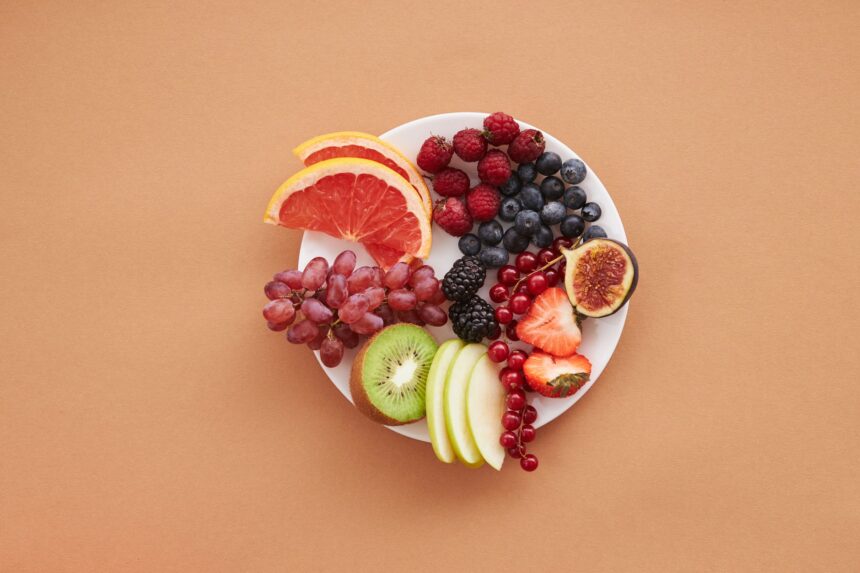
Comparison of flavanol content in blackberries, apples, cherries, plums, and other produce—illustrated bar chart showing nutritional density differences
Consuming five daily servings of fruits and vegetables may not provide optimal cardiovascular protection unless those foods contain sufficient flavanols. Research shows blackberries, apples, plums, cherries, and green tea offer dramatically higher flavanol concentrations than generic produce, suggesting food selection—not quantity alone—drives heart health benefits. — Photo by Vanessa Loring on Pexels (Pexels License)
SHARE
1 min read|126 words

Translating flavanol research into clinical practice requires a shift from quantity-focused to quality-focused dietary guidance. Three evidence-based strategies emerge as most effective for cardiovascular protection. First, prioritize flavanol-rich fruits including blackberries, apples, plums, and cherries—foods delivering substantially higher concentrations of cardioprotective compounds than standard produce categories suggest.

Second, integrate broad beans and other legumes, which provide both flavanols and plant-based protein, supporting multiple cardiovascular risk factors simultaneously. Third, incorporate green tea consumption—approximately 2 to 3 cups daily—which offers concentrated flavanol exposure alongside other bioactive compounds. The critical insight is that food selection quality matters substantially more than quantity alone. Clinicians advising patients on cardiovascular prevention should emphasize these nutrient-dense options rather than generic fruit and vegetable volume targets. Read the full article on GMJ Newsroom.

Was this article helpful?
GMJ Brief · Takeaway

📰 Read the full article: Flavanols in fruits and vegetables offer measurable cardiovascular protection, research shows →

Share This Article
Facebook LinkedIn Bluesky Copy Link Print
GMJ
ByProf. Giorgi Pkhakadze
Follow:
Prof. Giorgi Pkhakadze, MD, MPH, PhD, is Editor-in-Chief of the Georgian Medical Journal and Chair of the Public Health Institute of Georgia (PHIG). He is Professor and Head of the Department of Social and Behavioural Sciences at David Tvildiani Medical University, and Secretary/Treasurer of the UEMS Section of Public Health. ORCID: 0000-0001-7609-4515.

Submit Your Paper →

Georgia's peer-reviewed open-access medical journal. No APC until January 2027.
Submit Manuscript →
UK childhood vaccination coverage holds steady at high levels, latest quarterly data shows

The UK's Cover of Vaccination Evaluated Rapidly (COVER) programme reports sustained high…

EMA Launches Email Notifications for Clinical Trial Information System

The European Medicines Agency has rolled out email notification subscriptions in CTIS,…

Independent Inquiry Finds Systemic Racism in Maternity Care Undermines Patient Safety

An independent inquiry has documented systemic racism and discrimination affecting patient safety…

Submit Your Paper to GMJ

No APC until January 2027.
Submit Manuscript →

You Might Also Like

Laboratory technician performing avian influenza testing with RT-PCR equipment

Three Critical Elements of Europe’s New H5N1 Detection System Every Health Professional Should Know

By
Prof. Giorgi Pkhakadze
10/08/2026

PHEIC Declaration: Ebola Cross-Border Transmission DRC-Uganda

By
Prof. Giorgi Pkhakadze
31/05/2026
Medical illustration showing heart protection through genetic-guided therapy with SGLT2 inhibitors

32% Risk Reduction: New Data Supports Genetic-Guided Heart Failure Treatment

By
Prof. Giorgi Pkhakadze
01/07/2026
Pharmacy & PrescribingPractice

NAFDAC Issues Alert Following South African Recall of Citro-Soda Antacid Batches

By
Prof. Giorgi Pkhakadze
03/06/2026
Facebook Twitter Youtube Instagram
Company
  • Privacy Policy
  • Contact US
  • GMJ Journal
  • Submit Manuscript
  • Editorial Team
  • Register at GMJ
  • Terms of Use

Subscribe to GMJ News — Click here

Join Community
© 2026 Georgian Medical Journal (GMJ). Published by the Public Health Institute of Georgia (PHIG). All rights reserved.
Welcome Back!

Sign in to your account

Username or Email Address
Password

Lost your password?

Not a member? Sign Up