By using this site, you agree to the Privacy Policy and Terms of Use.
Accept
GMJ NewsGMJ NewsGMJ News
  • Latest News
    • GMJ Briefs
  • Podcast & Media
    • Podcast Episodes
    • GMJ Audio
    • GMJ Videos
  • Research Digest
    • New Studies
    • Georgian Research
    • Data & Numbers
  • Policy & Systems
    • Health Policy
    • Quality & Safety
    • Migration & Health
    • Global Health
  • Practice
    • Clinical Updates
    • Case Discussions
    • Pharmacy & Prescribing
    • Ingredients A-Z
  • Perspectives
    • Editorial
    • Explainers
    • Voices
    • Letters
  • Health Topics
    • Diabetes
    • Cancer
    • Cardiovascular
    • Mental Health
    • Vaccines
    • Migration & Health
    • Patient Safety & Accreditation
    • Occupational Safety and Health
  • GMJ Articles
    • Vol. 1 Issue 2 (2026)
    • Vol. 1 Issue 1 (2026)
    • Pre-Launch Articles (2025)
  • Read the Journal →
  • About GMJ News
Notification Show More
Font ResizerAa
GMJ NewsGMJ News
Font ResizerAa
  • Latest News
    • GMJ Briefs
  • Podcast & Media
    • Podcast Episodes
    • GMJ Audio
    • GMJ Videos
  • Research Digest
    • New Studies
    • Georgian Research
    • Data & Numbers
  • Policy & Systems
    • Health Policy
    • Quality & Safety
    • Migration & Health
    • Global Health
  • Practice
    • Clinical Updates
    • Case Discussions
    • Pharmacy & Prescribing
    • Ingredients A-Z
  • Perspectives
    • Editorial
    • Explainers
    • Voices
    • Letters
  • Health Topics
    • Diabetes
    • Cancer
    • Cardiovascular
    • Mental Health
    • Vaccines
    • Migration & Health
    • Patient Safety & Accreditation
    • Occupational Safety and Health
  • GMJ Articles
    • Vol. 1 Issue 2 (2026)
    • Vol. 1 Issue 1 (2026)
    • Pre-Launch Articles (2025)
  • Read the Journal →
  • About GMJ News
Follow US
GMJ News > GMJ Briefs > Geographic Divide: Why Canadians Face Three Times Higher Vitamin D Insufficiency Rates Than Americans

Geographic Divide: Why Canadians Face Three Times Higher Vitamin D Insufficiency Rates Than Americans

GMJ
Last updated: 07/08/2026 23:29
By
Prof. Giorgi Pkhakadze
Share
1 Min Read
Bar chart showing vitamin D insufficiency prevalence by geography and skin type, ranging from 40% in United States to 97% in Canada
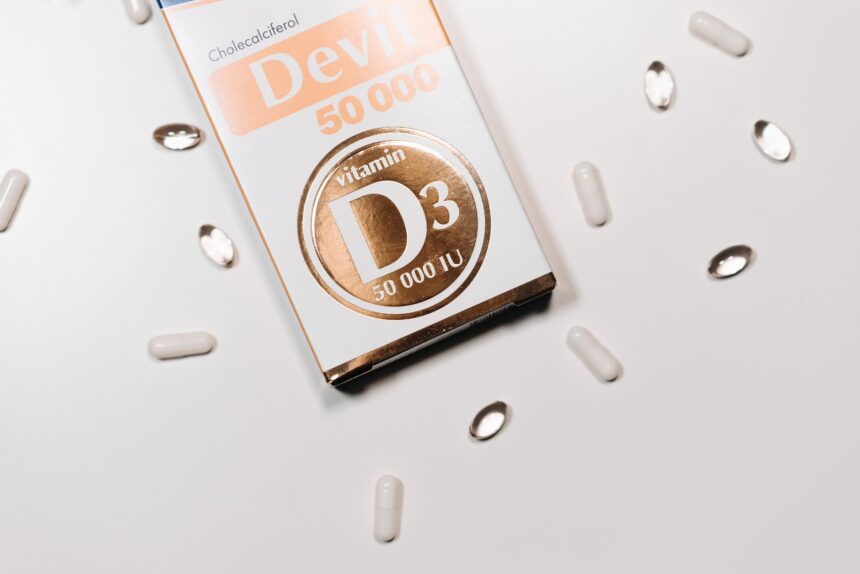
Vitamin D insufficiency affects 40–97% of North American populations, with geographic latitude and skin pigmentation driving significant disparities in vitamin D synthesis. Clinical consequences centre on skeletal and neuromuscular health. — Photo by Pavel Danilyuk on Pexels (Pexels License)
SHARE
1 min read|139 words

A stark disparity exists in vitamin D insufficiency prevalence across North America, with Canadian populations experiencing rates as high as 97% compared to 40% in the United States. This nearly threefold difference is primarily attributable to geographic latitude and the intensity of UVB radiation reaching northern regions. Individuals living at 40 degrees north latitude receive virtually zero vitamin D synthesis capacity during winter months, a critical limitation for populations in Canada and northern U.S. states. The epidemiological data underscores how seasonal and latitudinal variation in UVB radiation intensity directly drives population-level metabolic health outcomes. These findings highlight the urgent need for evidence-based vitamin D supplementation strategies and public health messaging tailored to geographic risk. Populations in higher latitudes may require year-round supplementation or dietary fortification to prevent widespread metabolic bone disease and neuromuscular complications. Read the full article on GMJ Newsroom.

Was this article helpful?

GMJ Brief · Key Finding

📰 Read the full article: Vitamin D Insufficiency Affects Up to 97% in Some Regions—Here’s What the Evidence Shows →

Related reference
  • Vitamin D · Ingredient
Share This Article
Facebook LinkedIn Bluesky Copy Link Print
GMJ
ByProf. Giorgi Pkhakadze
Follow:
Prof. Giorgi Pkhakadze, MD, MPH, PhD, is Editor-in-Chief of the Georgian Medical Journal and Chair of the Public Health Institute of Georgia (PHIG). He is Professor and Head of the Department of Social and Behavioural Sciences at David Tvildiani Medical University, and Secretary/Treasurer of the UEMS Section of Public Health. ORCID: 0000-0001-7609-4515.

Submit Your Paper →

Georgia's peer-reviewed open-access medical journal. No APC until January 2027.
Submit Manuscript →
GE HealthCare Issues Safety Correction for Infant Resuscitation Systems Over Oxygen Delivery Risk

GE HealthCare has issued a safety correction for Giraffe and Panda infant…

Melatonin’s safety paradox: effective sleep aid undermined by unregulated product quality

Melatonin is clinically effective for sleep disorders, but unregulated supplement manufacturing in…

Major sporting events tied to heart attack spikes, study shows

Major international football tournaments are associated with measurable increases in acute coronary…

Submit Your Paper to GMJ

No APC until January 2027.
Submit Manuscript →

You Might Also Like

Comparative chart showing cafestol content in boiled, French press, espresso, and filtered coffee brewing methods

Filter Your Coffee, Not Your Cholesterol Concerns: How Brewing Method Changes Everything

By
Prof. Giorgi Pkhakadze
23/07/2026
WHO consultation document on AI ethics in healthcare with digital monitoring symbols

WHO Survey Reveals Patient Monitoring Dominates AI Implementation in Care Facilities

By
Prof. Giorgi Pkhakadze
30/06/2026
Diverse group of healthcare students in clinical setting representing inclusive medical education

What Healthcare Educators Must Know: Supporting Neurodivergent Students Through Systemic Change

By
Prof. Giorgi Pkhakadze
28/07/2026

Canada Signals Major Post-Pandemic Shift in Pediatric Influenza Cases

By
Prof. Giorgi Pkhakadze
22/06/2026
Facebook Twitter Youtube Instagram
Company
  • Privacy Policy
  • Contact US
  • GMJ Journal
  • Submit Manuscript
  • Editorial Team
  • Register at GMJ
  • Terms of Use

Subscribe to GMJ News — Click here

Join Community
© 2026 Georgian Medical Journal (GMJ). Published by the Public Health Institute of Georgia (PHIG). All rights reserved.
Welcome Back!

Sign in to your account

Username or Email Address
Password

Lost your password?

Not a member? Sign Up