By using this site, you agree to the Privacy Policy and Terms of Use.
Accept
GMJ NewsGMJ NewsGMJ News
  • Latest News
    • GMJ Briefs
  • Podcast & Media
    • Podcast Episodes
    • GMJ Audio
    • GMJ Videos
  • Research Digest
    • New Studies
    • Georgian Research
    • Data & Numbers
  • Policy & Systems
    • Health Policy
    • Quality & Safety
    • Migration & Health
    • Global Health
  • Practice
    • Clinical Updates
    • Case Discussions
    • Pharmacy & Prescribing
    • Ingredients A-Z
  • Perspectives
    • Editorial
    • Explainers
    • Voices
    • Letters
  • Health Topics
  • GMJ Articles
    • Vol. 1 Issue 2 (2026)
    • Vol. 1 Issue 1 (2026)
    • Pre-Launch Articles (2025)
  • Read the Journal →
  • About GMJ News
Notification Show More
Font ResizerAa
GMJ NewsGMJ News
Font ResizerAa
  • Latest News
    • GMJ Briefs
  • Podcast & Media
    • Podcast Episodes
    • GMJ Audio
    • GMJ Videos
  • Research Digest
    • New Studies
    • Georgian Research
    • Data & Numbers
  • Policy & Systems
    • Health Policy
    • Quality & Safety
    • Migration & Health
    • Global Health
  • Practice
    • Clinical Updates
    • Case Discussions
    • Pharmacy & Prescribing
    • Ingredients A-Z
  • Perspectives
    • Editorial
    • Explainers
    • Voices
    • Letters
  • Health Topics
  • GMJ Articles
    • Vol. 1 Issue 2 (2026)
    • Vol. 1 Issue 1 (2026)
    • Pre-Launch Articles (2025)
  • Read the Journal →
  • About GMJ News
Follow US
GMJ News > GMJ Briefs > Announcement: Why muscle growth takes years, not months: the cellular biology behind training limits

Announcement: Why muscle growth takes years, not months: the cellular biology behind training limits

GMJ
Last updated: 14/08/2026 09:29
By
Prof. Giorgi Pkhakadze
Share
0 Min Read
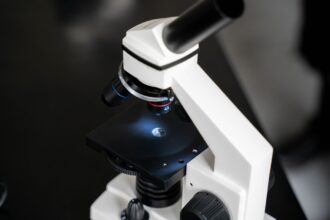
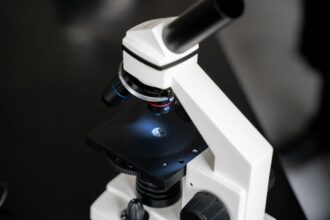
Diagram showing phases of muscle adaptation from hours (myofibre recruitment) to 6-12 months (measurable hypertrophy)
Muscle growth is constrained by cellular-level processes—specifically myonuclei accretion and protein synthesis rates—that operate on timescales of months to years, not weeks. Training programme design optimises the stimulus for growth but cannot override these fundamental biological limits. — Photo by Tima Miroshnichenko on Pexels (Pexels License)
SHARE
1 min read|40 words

Your muscles grow on a biological clock, not your training calendar. New analysis reveals why myonuclei accretion—not workout frequency—limits the rate of hypertrophy. Expect 6–12 months for measurable growth under optimal conditions.

Read the full article on GMJ Newsroom →

Was this article helpful?

GMJ Brief · Announcement

📰 Read the full article: Why muscle growth takes years, not months: the cellular biology behind training limits →

Share This Article
Facebook LinkedIn Bluesky Copy Link Print
GMJ
ByProf. Giorgi Pkhakadze
Follow:
Prof. Giorgi Pkhakadze, MD, MPH, PhD, is Editor-in-Chief of the Georgian Medical Journal and Chair of the Public Health Institute of Georgia (PHIG). He is Professor and Head of the Department of Social and Behavioural Sciences at David Tvildiani Medical University, and Secretary/Treasurer of the UEMS Section of Public Health. ORCID: 0000-0001-7609-4515.


Submit Your Paper →

Georgia's peer-reviewed open-access medical journal. No APC until January 2027.
Submit Manuscript →
Vitamin D’s Role in Alzheimer’s Tau Accumulation: New Evidence from Framingham Heart Study

A 16-year analysis from the Framingham Heart Study finds that higher vitamin…

Whey protein triggers substantial insulin response despite low carbohydrate content, research shows

Whey protein consumed on an empty stomach triggers insulin secretion 90% higher…

What makes prostate cancer aggressive? Biology, genetics, and clinical grading explained

Prostate cancer aggressiveness is determined by histological grade (Gleason score), genetic mutations…

Submit Your Paper to GMJ

No APC until January 2027.
Submit Manuscript →

You Might Also Like

Magnitude 6.4 Earthquake Strikes South Sandwich Islands Region

By
Prof. Giorgi Pkhakadze
11/07/2026
Medical professional reviewing prostate cancer screening guidelines and evidence documents

What Healthcare Professionals Should Know About Screening Decisions: Three Key Principles

By
Prof. Giorgi Pkhakadze
03/08/2026
Medical illustration showing lymphatic system and urinary tract connection

Three Critical Diagnostic Insights for Recognizing Chyluria

By
Prof. Giorgi Pkhakadze
08/08/2026
Medical laboratory technician analyzing blood samples for multi-cancer early detection testing

What Clinicians Need to Know About Multi-Cancer Blood Test Results

By
Prof. Giorgi Pkhakadze
12/07/2026
Facebook Twitter Youtube Instagram
Company
  • Privacy Policy
  • Contact US
  • GMJ Journal
  • Submit Manuscript
  • Editorial Team
  • Register at GMJ
  • Terms of Use

Subscribe to GMJ News — Click here

Join Community
© 2026 Georgian Medical Journal (GMJ). Published by the Public Health Institute of Georgia (PHIG). All rights reserved.
Welcome Back!

Sign in to your account

Username or Email Address
Password

Lost your password?

Not a member? Sign Up